On this page
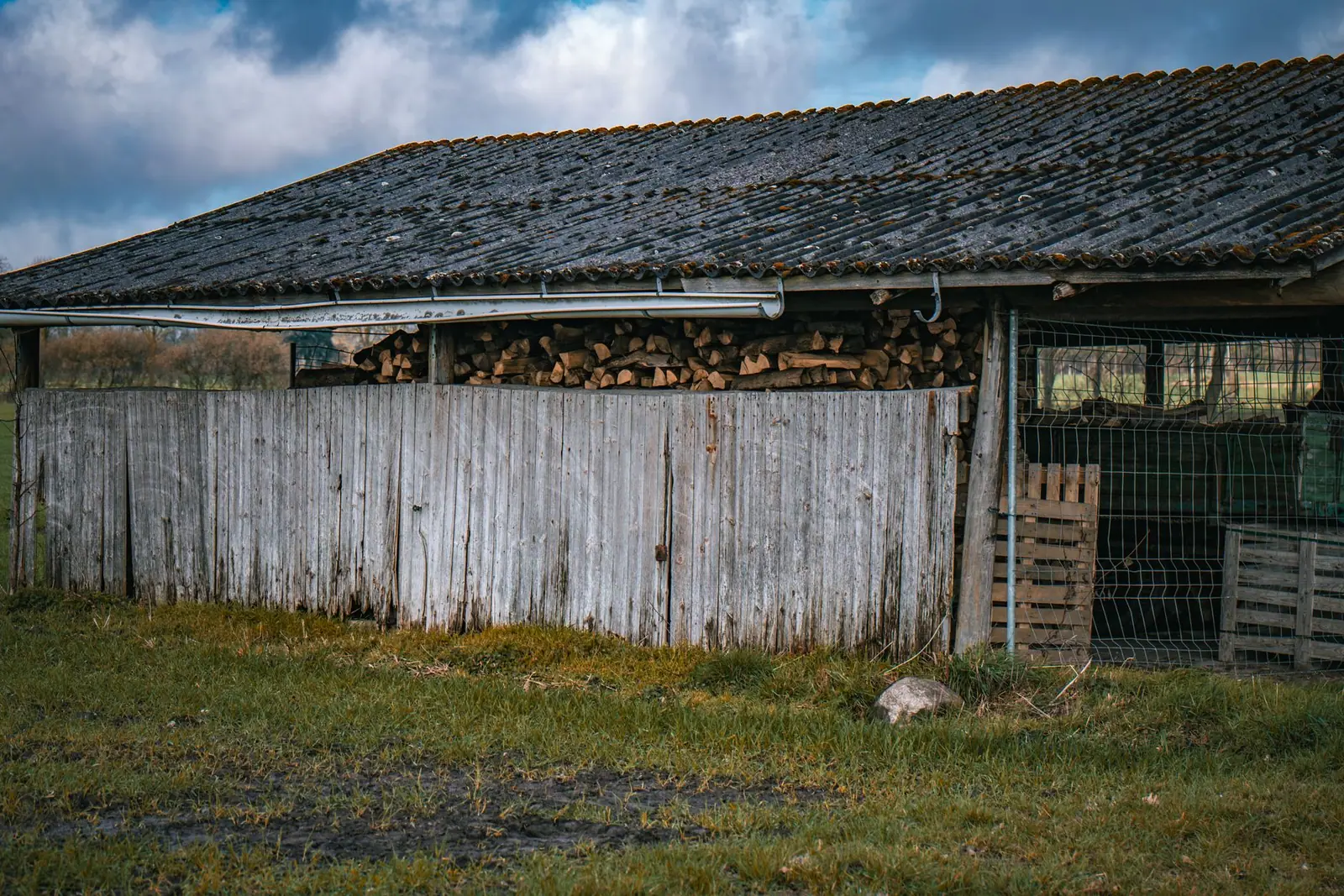
A woodpile is a piece of infrastructure, and where it goes decides three separate things: whether the wood dries, whether insects end up indoors, and whether the wall behind it stays sound.
The rules that matter
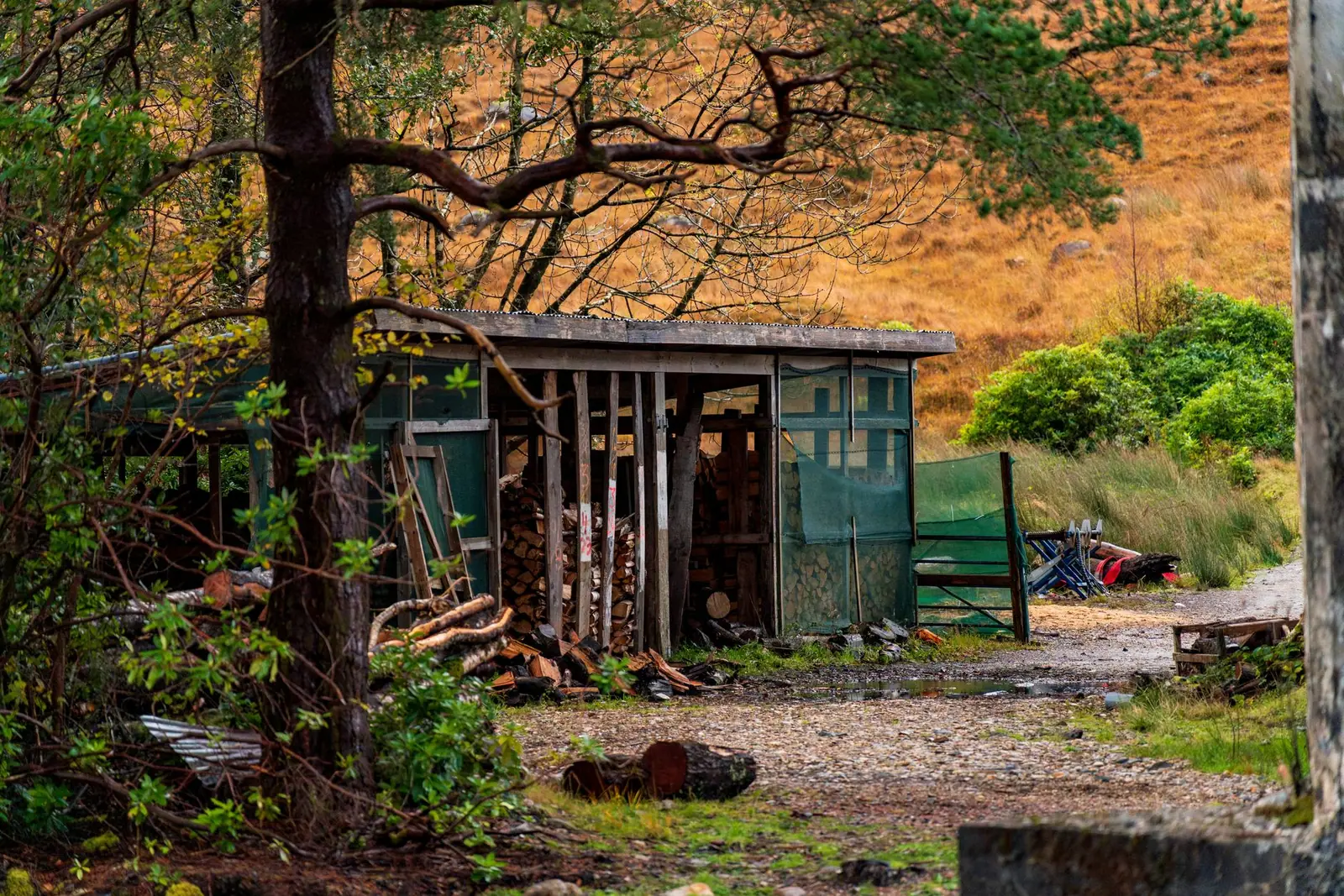
EPA’s guidance is compact: store firewood outdoors, off the ground, with only the top covered, so air circulates while rain stays off.
Everything else is about placement.
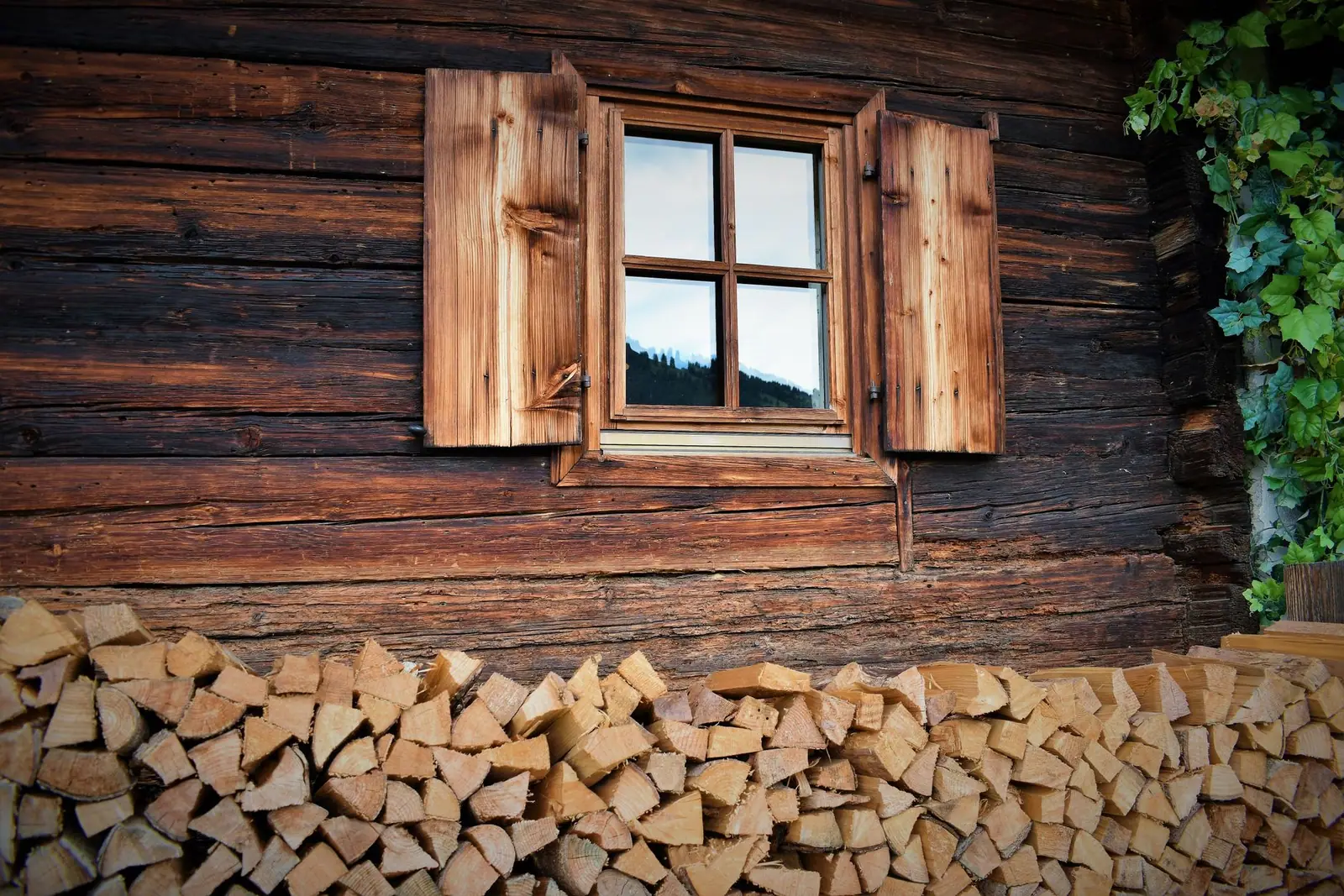
- Not against the house. A stack tight against a wall holds moisture against the cladding, blocks drying air, and gives insects a covered route from the ground to your timber.
- Off the ground, on pallets, rails or scrap timber. The bottom row otherwise wicks water and rots.
- In the wind, ideally with the rows aligned so air moves through them. Wind dries wood faster than sun does.
- Top covered only. A tarpaulin down the sides makes a humid box.
- Reachable in winter, because a beautifully placed stack at the end of a long garden becomes an argument in February.
Insects, honestly
Firewood always contains some life: beetles, ants, spiders, occasionally a wasp nest in a hollow. Almost none of it is a threat to a house, and the way to keep it that way is simple:
- Bring in a day or two of wood at a time, and burn it rather than storing it indoors. Warmth makes dormant insects active.
- Do not stack wood in a basement or attached garage for weeks at a time.
- Keep the outdoor stack away from walls, decks and fences, particularly in areas with termites.
- Never spray a woodpile with insecticide. You will burn it and breathe the result.
- Inspect before carrying in: knock two pieces together, which dislodges most passengers.
The one that is not about your house
Moving firewood long distances is how tree-killing insects and diseases travel, because a pest in a log can emerge hundreds of miles from where it started. The standing advice from the campaign on the subject is straightforward: buy it where you will burn it, choose certified heat-treated firewood if you need wood that has travelled, or gather on site where that is permitted.
This matters most for people taking wood to a cabin, a campsite or a holiday house, and many states and parks have quarantines and rules about it. It costs nothing to buy locally at the destination, and it is the rare piece of environmental advice with no trade-off attached.
The pests that prompted these rules are not hypothetical: emerald ash borer alone has killed ash trees across large parts of North America, and firewood is one of the main ways it has moved. A stack of wood in the back of a car can undo years of quarantine work in a county.
A storage system that runs itself
- Two stacks. This winter’s, seasoned and ready, and next winter’s, drying. Label them with the year.
- A small covered store near the door holding a few days’ worth, refilled from the main stack.
- An indoor basket for one or two days at most.
- Refill on a fixed day, so the near store never runs out in bad weather.
- Rotate properly: burn the older stack completely before starting the newer one.
That system means you are always burning wood that has had at least a year, which is the single change that improves everything else about a wood-heated house.
Small details that save trouble
- Split before stacking. Bark keeps water in as well as out.
- Leave a gap between rows for airflow.
- Stack ends properly with crossed pieces or a support, because a collapsed row in January is a miserable job.
- Keep it away from the drive where a truck tips wood, or plan for a wheelbarrow route.
- Watch for rodents if the stack sits near a shed or coop, and keep it up off the ground for that reason as well.
- Clear vegetation around it, which matters for drying and, in fire-prone regions, for defensible space around the house.
Related reading: Dry Wood Is the Whole Game and The Things That Should Never Go in a Stove.
Questions people ask
How should firewood be stored?
Outdoors, off the ground, with only the top covered, so air can move through the stack while rain stays off. Keep it away from the house wall, align rows with the prevailing wind, and split wood before stacking it.
Can I stack firewood against the house?
Better not. It traps moisture against the wall, blocks the airflow that dries the wood, and gives insects a sheltered route from the ground to the building. Keep the stack clear of walls, decks and fences.
How much firewood should I bring indoors?
A day or two at most. Indoor warmth wakes dormant insects in the wood, so the aim is to burn what you bring in rather than store it inside for weeks.
Why should I not move firewood?
Because tree-killing insects and diseases travel in it, sometimes hundreds of miles. The standing advice is to buy firewood where you will burn it, use certified heat-treated wood when it must travel, or gather on site where that is allowed.
Where these figures come from
- Best Wood-Burning Practices US Environmental Protection Agency, Burn Wise · epa.gov
- Don't Move Firewood The Nature Conservancy · dontmovefirewood.org
- NIST Handbook 130, Uniform Regulation for the Method of Sale of Commodities National Institute of Standards and Technology · nist.gov
Figures last checked September 2026.