On this page
Firewood is one of the few things still bought in a language designed to be confusing. A seller quotes a “rick”, a “face cord” or a “truckload”, the buyer nods, and there is no way to compare that price with anybody else’s. The rules say otherwise, and they are unusually clear.
Key figures
- 128 ft³ NIST volume of one compactly stacked cord
- 16 cubic feet Model-rule packaged-wood exception applies below this volume
What the rules say
The model regulation adopted by most US states, published in NIST Handbook 130, is specific about firewood.
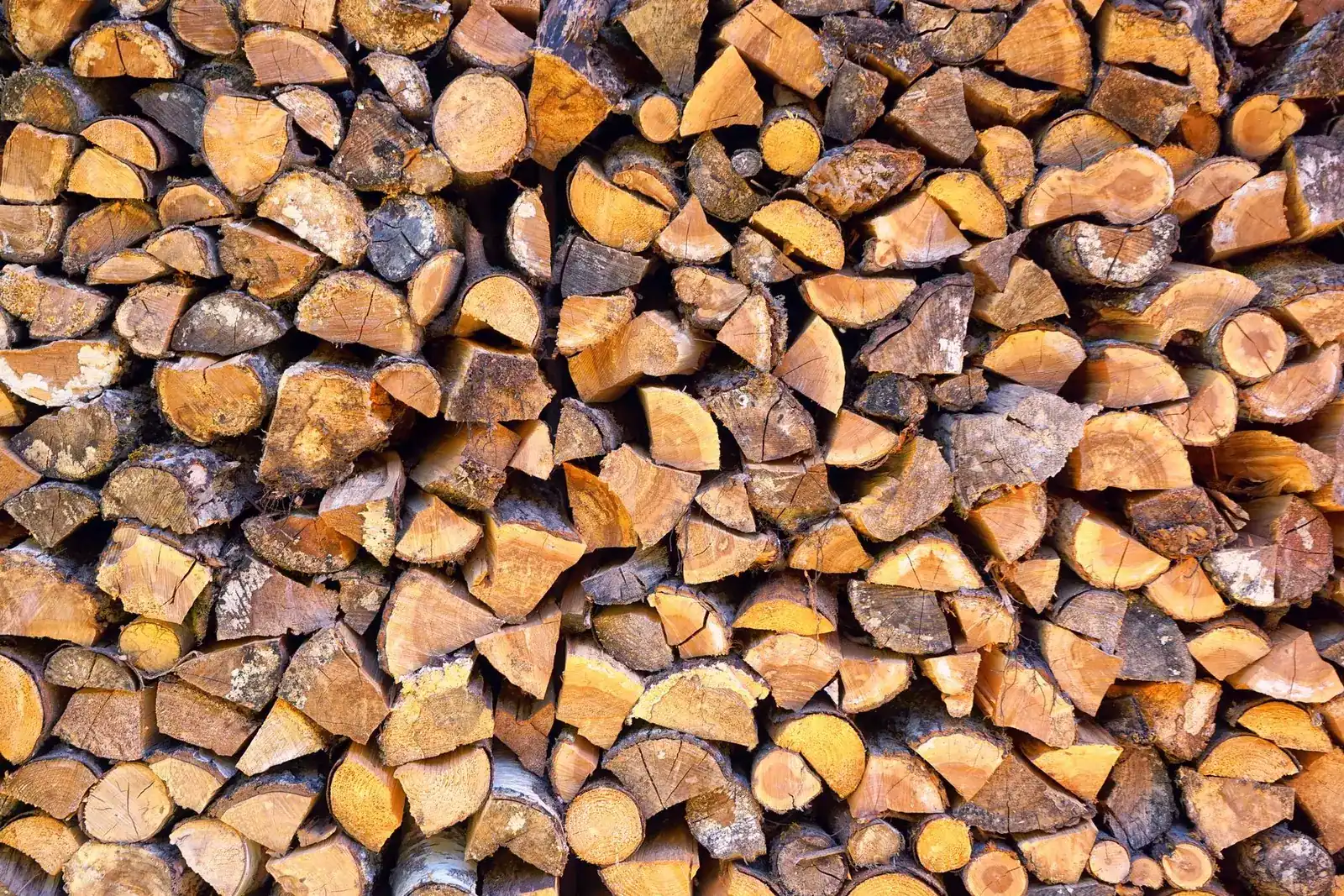
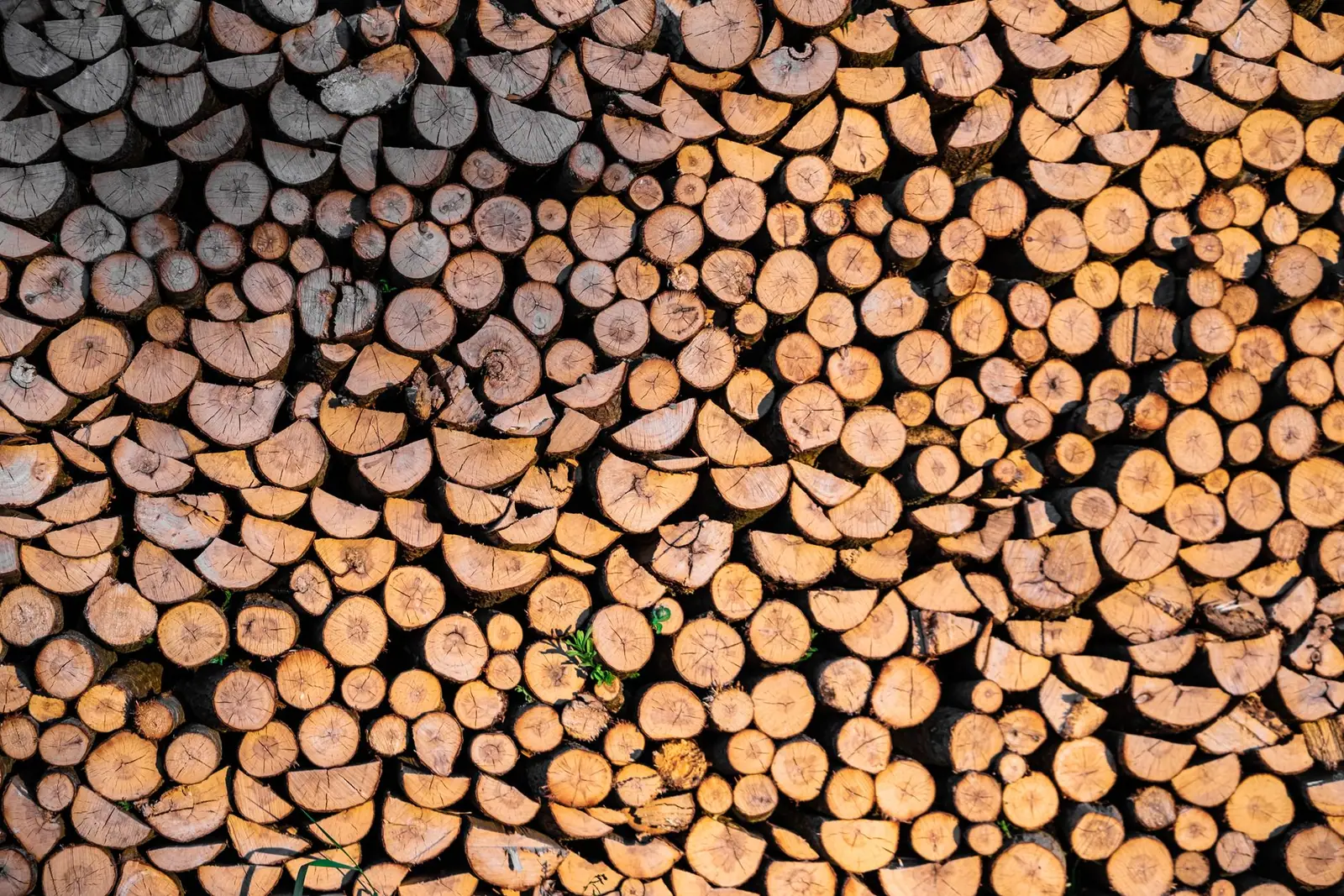
The definition. A cord is “the amount of wood that is contained in a space of 128 ft³ when the wood is ranked and well stowed”, with ranked and well stowed meaning the pieces are placed in a line or row, individual pieces touching and parallel to each other, and stacked compactly.
The method of sale. Fireplace and stove wood “shall be advertised, offered for sale, and sold only by measure, using the term ‘cord’ and fractional parts of a cord or the cubic meter”, with three exceptions:
- Packaged natural wood in quantities under an eighth of a cord (16 cubic feet), which is labelled in litres, and may also show cubic feet.
- Artificial compressed or processed logs and bricks over six inches in any dimension, sold by weight plus count.
- Pellets and chips no larger than six inches, sold by weight.
Species claims. A representation may state the species group, for example 50 percent hickory and 50 percent miscellaneous softwood, and such a claim must be accurate within 10 percent.
Read together: “a rick”, “a face cord” and “a truckload” are not units of sale. A seller may use those words in conversation, but the price has to be expressed in cords or fractions of one.
How to check what you were delivered
- Stack it. A dumped pile cannot be measured, and the difference between a thrown pile and a stacked one is large.
- Measure in feet: length along the row, height, and depth, which is the length of the pieces.
- Multiply the three and divide by 128. That is your fraction of a cord.
- Compare it with the invoice before the seller has been paid, or at least before the second delivery.
A stack 8 feet long, 4 feet high and 16 inches deep is 8 × 4 × 1.33 = 42.6 cubic feet, which is one third of a cord. That is the calculation behind the word “face cord”: a row one piece deep, whose volume depends entirely on the length of the pieces. Two sellers quoting the same price for a “face cord” can be selling amounts that differ by half.
Questions to ask before buying
- What is the price per cord, delivered and stacked, and what fraction is this delivery?
- What length are the pieces? They must fit your stove, which is a specification, not a preference.
- What species, and in what proportion? Remember the 10 percent accuracy rule.
- When was it cut and split? A seller who says “last spring” has told you more than one who says “it’s seasoned”.
- What is the moisture content? EPA’s guidance for burning is below 20 percent. Wood sold as seasoned is frequently well above that.
- Is delivery and stacking included, and where will the truck tip it?
Ask for the invoice to state quantity in cords or fractions, the price, the species claim and the date. That single request turns a casual transaction into one your state’s weights and measures office can act on if the delivery is short, and most sellers who intend to deliver honestly will not blink at it.
Buying wisely, beyond the measurement
- Buy a year ahead. Wood bought in spring and stacked properly is ready for next winter, which is the only reliable way to burn dry wood.
- Buy in bulk if you can store it. Small bundles are the most expensive firewood in the world by volume.
- Look at the ends. Radial cracks, greyish colour and bark that is starting to loosen suggest dry wood. Bright, damp ends and heavy pieces mean green.
- Lift a piece. Dry wood is noticeably lighter and rings rather than thuds when knocked together.
- Prefer local wood. Moving firewood long distances spreads tree-killing pests, and the standing advice from the campaign on the subject is to buy it where you will burn it, or to use certified heat-treated wood when you must travel.
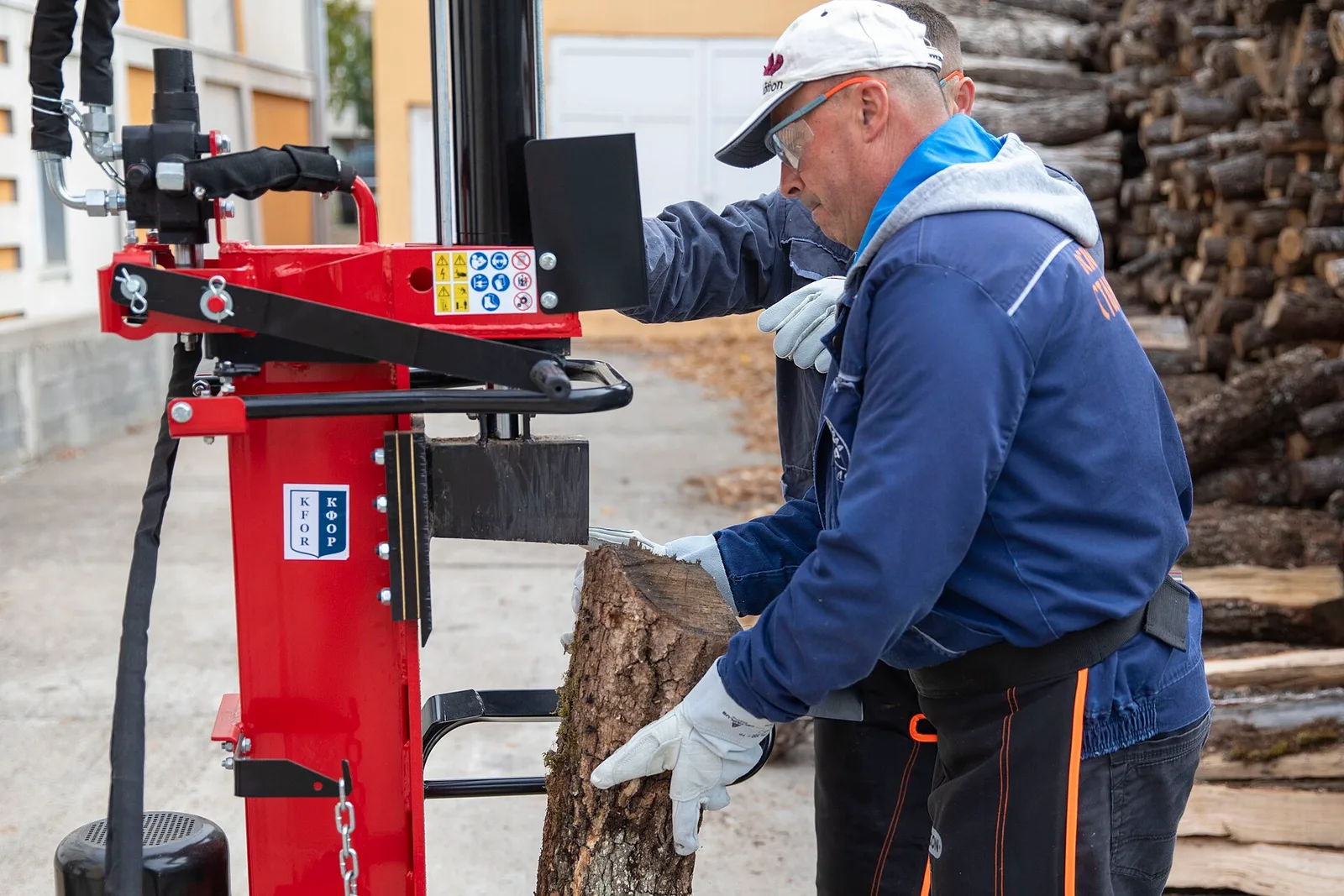
Related reading: How to Burn So the Chimney Stays Clean and A Log Splitter Rental Needs a Complete Work Plan.
Questions people ask
How much is a cord of wood?
A cord is 128 cubic feet of wood ranked and well stowed, meaning pieces in rows, touching, parallel and compactly stacked. Price varies by region and season, but the unit is fixed, which is what makes comparison possible.
Is a face cord the same as a cord?
No, and it is not a defined unit of sale. A face cord is a row one piece deep, so its volume depends on how long the pieces are. Model weights and measures rules require firewood to be sold by the cord or fractions of a cord.
How do I check I received a full cord?
Stack it, measure length, height and depth in feet, multiply them and divide by 128. Do this before paying or before ordering again, and ask for the invoice to state the quantity in cords.
Can firewood be sold by weight?
Pellets and chips no larger than six inches are sold by weight, and compressed logs or bricks over six inches by weight plus count. Ordinary cord wood is sold by measure, using the cord and fractions of it.
Where these figures come from
- NIST Handbook 130, Uniform Regulation for the Method of Sale of Commodities National Institute of Standards and Technology · nist.gov
- Best Wood-Burning Practices US Environmental Protection Agency, Burn Wise · epa.gov
- Don't Move Firewood The Nature Conservancy · dontmovefirewood.org
Figures last checked September 2026.