On this page
Freezing is the one problem on a rural property that arrives with no warning and takes the whole house out at once. It is also largely preventable, and the prevention is unglamorous.
What freezes, in order
Exposed plumbing inside the house. Crawl spaces, unheated basements, an outside wall, the utility room with the door closed and the heating off. This is the most common failure and the easiest to fix.
The pressure tank and the pipework around it, if that space is unheated.
The line between the well and the house, if any part of it sits above the local frost depth or was laid shallow.
The wellhead itself, where a cracked or loose cap lets snowmelt in, and where frost can heave the casing over the years.
Septic pipework, particularly the pipe between the house and the tank if it was laid with too little fall or too little cover, and the pipe out to a mound or a pump chamber.
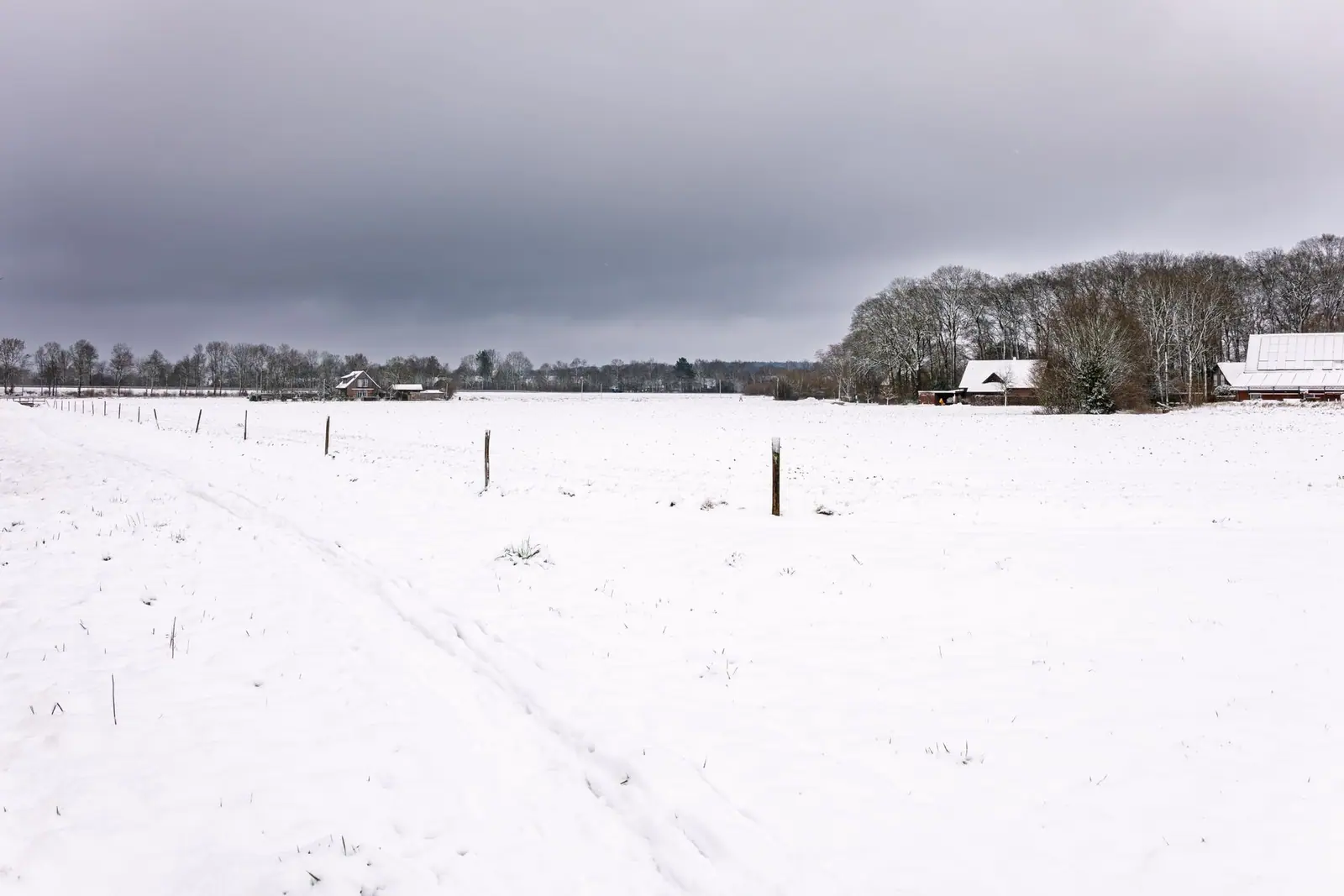
The drainfield surface, where bare, compacted ground freezes far deeper than ground under undisturbed snow.
Before the cold arrives
- Insulate the vulnerable runs and heat the space where the pressure tank lives.
- Fit heat tape correctly if you use it: the right product, installed to the manufacturer’s instructions, and plugged into a circuit you can see.
- Check the well cap. It should be a sound sanitary cap, sealed, above grade, with ground sloping away from it.
- Stop mowing the drainfield short in late autumn. A slightly longer grass cover holds snow and adds insulation.
- Keep vehicles, snowmobiles and the plough off the field, so it keeps its snow.
- Fix drips now. A slow leak in a cold space is the seed crystal for a frozen pipe.
- Service the septic system before the ground freezes, because digging in January costs more and is sometimes impossible.
During a hard freeze
- Use water regularly. Moving water and a warm house are the two things that prevent freezing.
- Open cabinet doors under sinks on outside walls so household heat reaches the pipes.
- Leave a trickle running at the most vulnerable fixture in an extreme cold snap. On a well this costs pump runtime and adds load to the septic system, so use judgement and only in a genuine emergency.
- Do not leave a seasonal house at 45 degrees and hope. Either heat it properly or winterise it.
- Watch the septic alarm. Pump chambers that freeze or fail in winter are the worst timing possible.
If something freezes
- Find the freeze before thawing. No water at one tap is local; no water anywhere points at the pump, the tank area or the supply line.
- Thaw gently: warm air, a hair dryer, heat lamps at a safe distance, towels soaked in hot water. Work from the fixture back towards the frozen section so meltwater can escape.
- Never use an open flame, and never a blowtorch on plastic pipe.
- Turn the water off at the main before thawing if you suspect a burst, and know where that valve is before you need it.
- For a frozen buried line, call a professional. Thawing it electrically or with a steamer is specialist work.
- After a thaw, check for leaks at every joint you warmed.
Never put antifreeze into a septic system. Winterising a seasonal property means draining the plumbing and, where the system design calls for it, using non-toxic plumbing antifreeze in the traps only, following the manufacturer’s instructions. Automotive antifreeze is toxic, it kills the bacteria the tank depends on, and it eventually reaches groundwater.
Seasonal properties
- Have the well and plumbing winterised by somebody who has done it on that house before, and write down what they did.
- Drain the pressure tank and the water heater, and leave taps open.
- Do not pump the septic tank before closing up for winter unless a professional advises it for a specific reason. An empty tank in wet ground can float, and the liquid in a tank is part of what keeps it stable.
- Disconnect and drain outside taps and hoses.
- When you reopen, flush the system through, then test the water for bacteria before drinking it. Standing water in pipes for months is a legitimate reason to test.
Related reading: Who Actually Regulates Your Well and Septic and Buying a House With a Well and a Septic Tank.
Questions people ask
Can a septic drainfield freeze?
Yes, particularly where the ground is bare and compacted. Snow is insulation, so a field that is ploughed, driven on or scraped clear freezes much deeper than one left undisturbed. Longer grass cover in late autumn helps hold snow.
Should I leave a tap dripping to stop pipes freezing?
In an extreme cold snap it is a reasonable last resort, but on a well it means pump runtime and extra water reaching the septic system. Insulating vulnerable runs, heating the space around the pressure tank and using water normally through the day are better first steps.
Can I put antifreeze in a septic tank to stop it freezing?
No. Automotive antifreeze is toxic, kills the bacteria the tank relies on and ends up in groundwater. Winterising means draining the plumbing properly, with non-toxic plumbing antifreeze used only in traps where the procedure calls for it.
Should I empty the septic tank before winter at a holiday house?
Not as a routine measure. An empty tank in saturated ground can float and break its connections, and the liquid is part of what keeps the tank stable. Have the system serviced on its normal schedule and ask the professional what your specific system needs before closing up.
Where these figures come from
- How to Care for Your Septic System US Environmental Protection Agency · epa.gov
- Resolving Septic System Malfunctions US Environmental Protection Agency · epa.gov
- Learn about Private Water Wells US Environmental Protection Agency · epa.gov
Figures last checked September 2026.