On this page
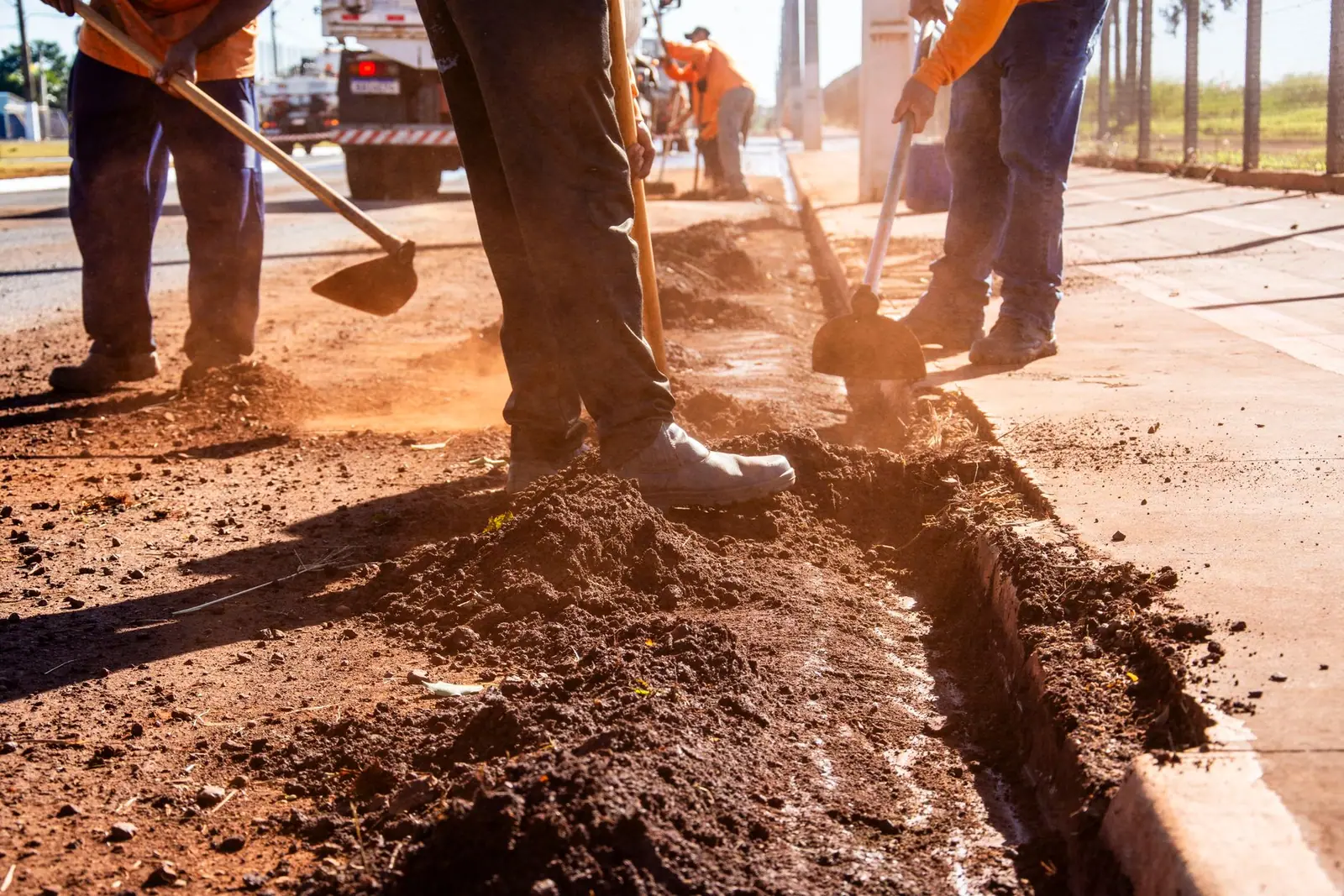
For decades the sewer stopped somewhere down the road, and then one summer there are trenches in front of the house and a letter from the district. The decision looks like a straight cost comparison and is usually not one, because the first question is whether you have a choice.
Question one: is it mandatory?
Many jurisdictions require connection to a public sewer once it is available to a property, sometimes immediately and sometimes when the existing septic system fails. Others leave it optional as long as the private system is working and permitted.
This is set by state law and local ordinance, so it is a call to the sewer district and the county health department, in that order. Ask two specific things: whether connection is compulsory, and whether there is a deadline or a grandfather period. Everything else follows from the answer.
Question two: what does connecting cost, in full
Break it into four lines, because the headline number in the letter is usually only the first one.
- The connection or capacity fee charged by the district for the right to connect.
- The lateral: the pipe from the house to the main, which is normally the homeowner’s cost and depends on distance, depth, driveway crossings, rock, and whether the house’s plumbing exits on the right side.
- Abandoning the septic system: pumping the tank, then crushing, filling or removing it to the county’s rules, with a permit and usually an inspection. This is not optional and not free.
- Restoration: the lawn, the driveway, the landscaping and anything the trench crossed.
Then the ongoing line: the monthly sewer bill, which you have never paid before. Get the current rate and ask about scheduled increases, because in a newly sewered area the rate often rises as the district pays for the project.
Question three: what does staying really cost
People compare a sewer bill against nothing, which is why septic looks free. It is not.
- Pumping every three to five years on a conventional system.
- Inspections, recommended at least every three years, and about annually on an alternative system.
- A service contract if you have an aerobic unit or a mound with a pump, sometimes required by permit.
- Electricity for any pump or blower.
- Repairs: baffles, filters, pumps, control panels, lids.
- The replacement, eventually. This is the number that dominates the comparison, and it is the one nobody budgets. On a difficult lot it can be several times the cost of connecting.
Put your own figures into a ten-year comparison. The honest version includes a line for the replacement, weighted by how old your system is and what the health department says about where a new field could go.
If your drainfield is already failing and the health department tells you a replacement field would have to be an engineered system, or that there is nowhere on the lot to put one, the decision is usually made for you. Connection at a few thousand dollars beats an engineered system at several times that, even with a monthly bill attached.
The cases where staying makes sense
- The system is sound, recently serviced and conventional, and the lot has room for a replacement field.
- The lateral run is long or difficult: a deep main, a long driveway, rock, or a house whose plumbing exits on the far side.
- The monthly rate is high and your household is small.
- Connection is optional and no deadline applies, so you can decide later, when your system is nearer the end of its life.
The cases where connecting wins
- The drainfield is failing or has failed.
- The lot cannot accept a replacement field without an engineered system or a variance.
- You are on an alternative system with a service contract and an ageing pump or blower.
- You are planning to sell in the next few years, since a sewer connection removes the buyer’s largest unknown.
- Connection is mandatory, and the only question left is timing.
Doing it properly
- Get the district’s written estimate of connection and capacity fees, and ask about payment plans, which are common.
- Get two or three quotes for the lateral from licensed contractors, with the route drawn.
- Confirm the abandonment requirements with the county, and keep the permit and the inspection sign-off. It matters when you sell.
- Ask whether grants or low-interest loans are available: some districts, states and federal rural programmes help with connection costs for eligible households.
- Keep the old septic paperwork with the new connection documents, so the file tells the whole story.
Related reading: No Power Means No Water on a Well and Budget for Both the Well and the Wastewater System.
Questions people ask
Do I have to connect to the sewer if it becomes available?
Often yes. Many jurisdictions require connection once a public sewer is available, either straight away or when the existing system fails, while others leave it optional. Ask the sewer district and the county health department, because it is set by state law and local ordinance.
What does connecting to a public sewer cost?
Four things: the district's connection or capacity fee, the lateral pipe from the house to the main, the permitted abandonment of the old septic tank, and the restoration of whatever the trench crossed. Then the monthly sewer bill you did not previously pay.
Can I just leave my septic tank in the ground?
Not as it is. Abandonment is a permitted job: the tank is pumped and then crushed, filled or removed according to local rules, usually with an inspection. An abandoned tank left intact is a collapse hazard and a problem at sale.
Is septic cheaper than sewer in the long run?
It depends mainly on the replacement you are eventually going to pay for. Compare ten years of pumping, inspections, any service contract and repairs, plus a weighted share of a replacement, against ten years of sewer bills plus the one-off connection costs.
Where these figures come from
- How to Care for Your Septic System US Environmental Protection Agency · epa.gov
- Types of Septic Systems US Environmental Protection Agency · epa.gov
- Resolving Septic System Malfunctions US Environmental Protection Agency · epa.gov
Figures last checked September 2026.