On this page
The difference between a house on town water and a house on a well shows up about four minutes into a power cut, when somebody flushes a toilet for the second time.
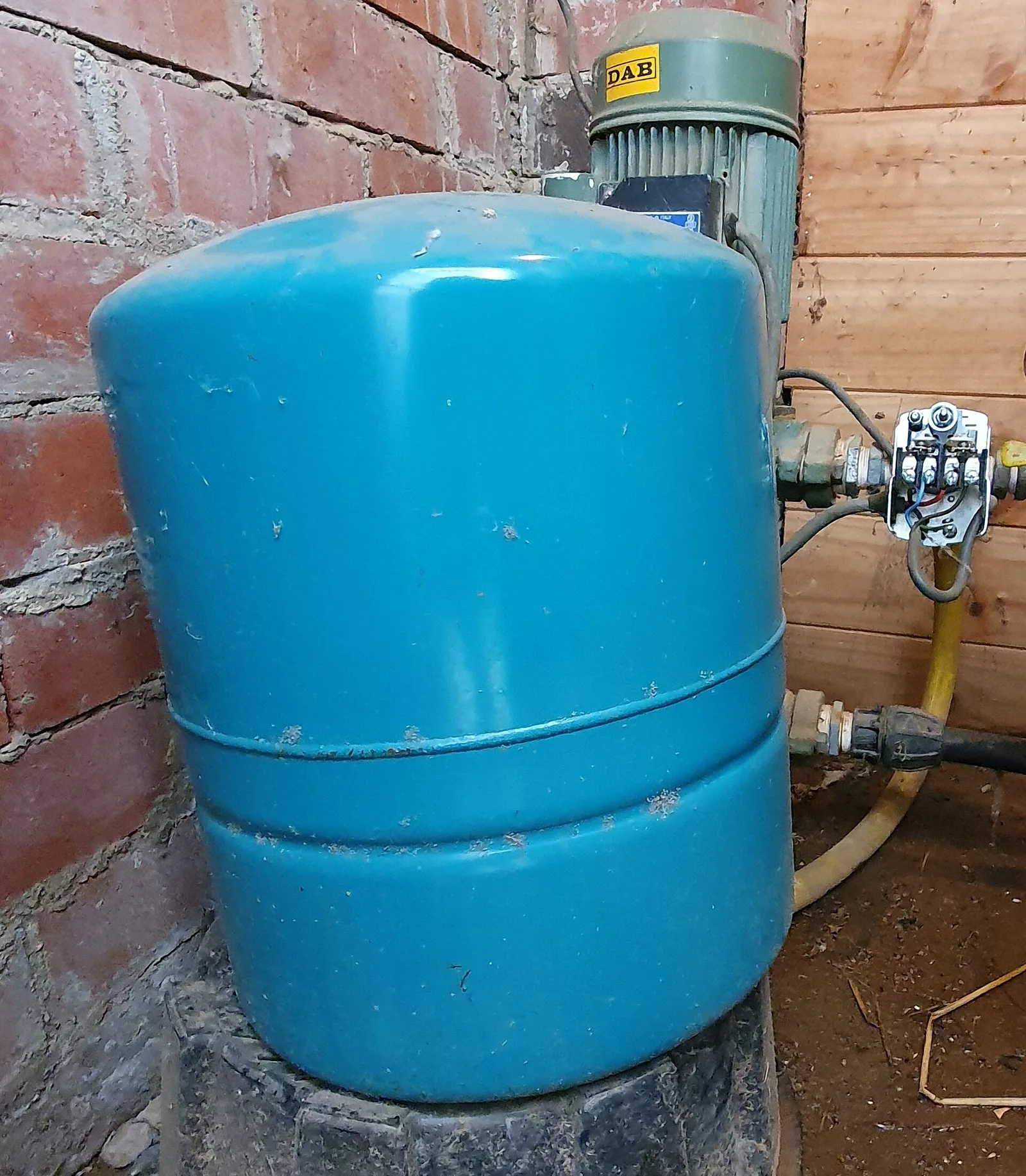
On a municipal supply, pressure comes from a tower or a pumping station with its own backup, so water keeps running. On a well, the pump in the ground is a motor on your own circuit. No power, no pump, no pressure, and the only water in the house is whatever is left in the pressure tank: usually a few gallons, once.
What actually stops
- The well pump. No water at any tap.
- The pressure tank gives you a small reserve and then nothing.
- Water heaters keep their hot water for a while but cannot refill.
- Any treatment equipment: ultraviolet disinfection, reverse osmosis pumps, softener valves, iron filters.
- Septic pumps and treatment units, if your system has them. The alarm may sound on battery while the pump cannot run.
The last one is the one people miss. If your septic system relies on a pump to lift effluent to a mound, or a blower to aerate a treatment unit, then continuing to use water normally during an outage fills a chamber that nothing is emptying.

Store water before you need it
The standard planning figure is one gallon per person per day for drinking and basic sanitation, for at least three days, and more if you live where outages run long.
Practical additions for a well household:
- Flush water. A five-gallon bucket poured briskly into the bowl flushes a toilet. Two or three buckets stored, or a bathtub filled when a storm is forecast, covers a family for a couple of days.
- Pets and livestock, which are usually the largest water demand on a rural property.
- A way to collect more: rain barrels, a spring or a neighbour on town water.
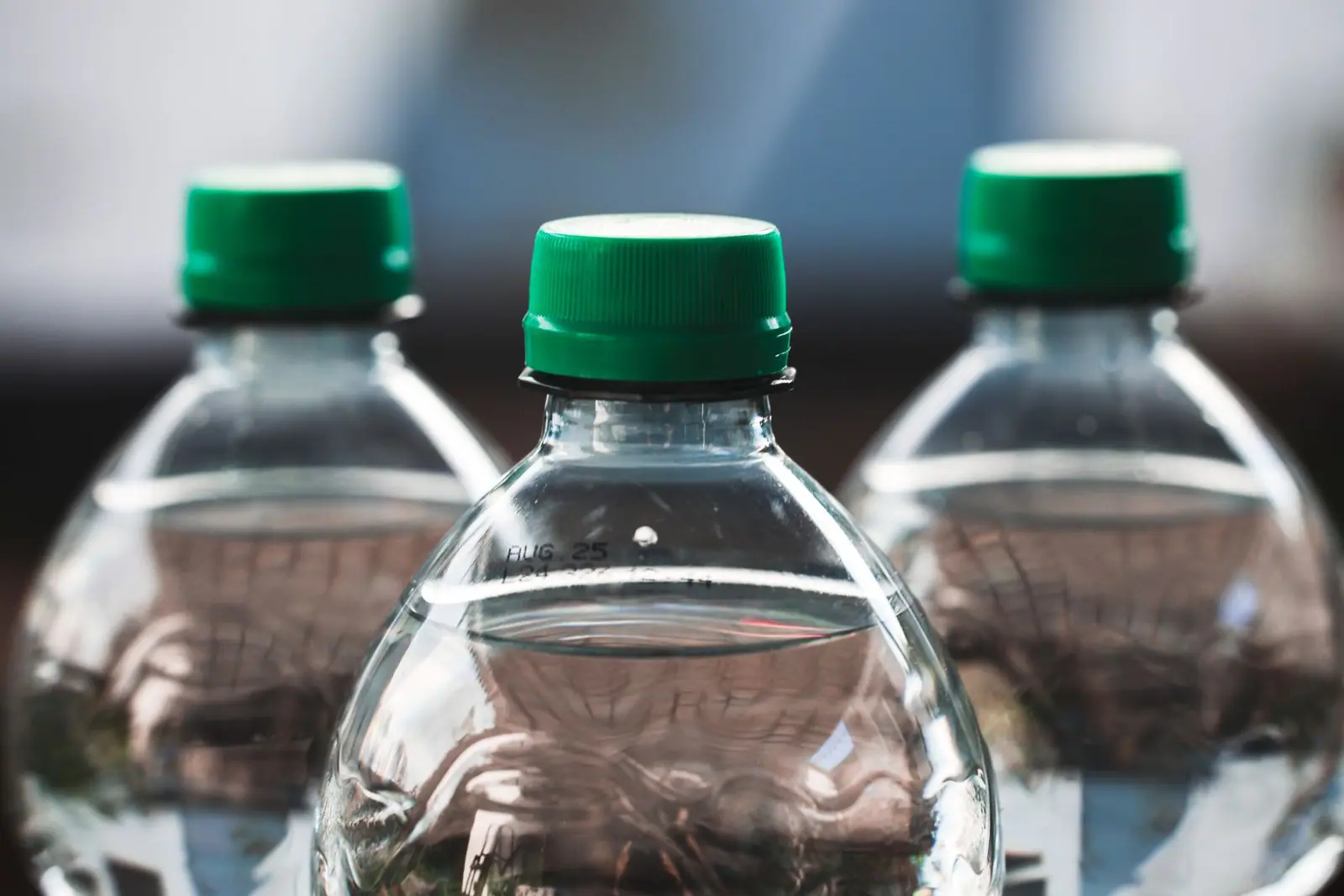
- Bottled water for babies and anybody immunocompromised, so that a flooded wellhead never forces a judgement call.
If you want a generator
Match it to the pump rather than to the lights.
- Find the pump’s data: horsepower and voltage, from the well record or the pressure switch box.
- Ask about starting load. A motor draws several times its running current for a moment at start-up. That surge is what a generator has to cover, and it is the usual reason an apparently adequate generator stalls.
- Decide how it connects. A transfer switch installed by an electrician is the safe answer. Back-feeding a circuit through a dryer outlet is illegal in most places and can kill a lineworker.
- Size for the pump plus the essentials: fridge, freezer, a few lights, phone charging, and the septic pump if there is one.
- Run it outdoors, far from windows and doors. Carbon monoxide is what kills people during outages, not the outage.
A battery system or an inverter generator can be enough for a modern efficient pump, but only if the starting load is checked. Ask the supplier that question directly.
When the power returns, check the pressure and the water before trusting it. A pump that ran dry, a well that was drawn down, or a flooded wellhead all change what comes out of the tap. If the outage came with flooding, do not drink the water until it has been tested, and contact your local health department.
Managing the septic side during an outage
- Reduce water use immediately if any part of your system uses electricity.
- Do not ignore the alarm. It is telling you a chamber is filling.
- Skip laundry and dishwashers entirely until power returns.
- Use stored water for flushing sparingly, because everything you flush still has to go somewhere.
- After power returns, watch for slow drains and wet ground for a few days, and call for service if the alarm does not clear.
A short list to sort out before winter
- A stored supply of drinking water, rotated.
- Buckets and a plan for flushing.
- The pump’s horsepower and starting requirement written down.
- If you have a generator: fuel, a tested start, a transfer switch, and a rule about where it runs.
- The septic service provider’s number on the fridge, not only in a phone.
- A recent water test, so that after an event you know what normal looked like.
Related reading: Buying a House With a Well and a Septic Tank and The Sewer Reached Your Road. Now What?.
Questions people ask
Does well water work during a power outage?
No. The well pump is electric, so when the power goes the water stops, apart from the few gallons left in the pressure tank. Municipal systems keep pressure from towers and backed-up pumping stations; a private well has neither.
How much water should I store for an outage?
Plan on a gallon per person per day for at least three days, and add water for pets and livestock. On a well, store extra for flushing toilets, which takes about five gallons a flush from a bucket, or fill the bath when a storm is forecast.
What size generator do I need for a well pump?
It depends on the pump's horsepower and, more importantly, its starting surge, which is several times the running load. Get the pump details from the well record, ask a supplier or electrician to size for that surge plus your essentials, and have a transfer switch fitted.
Can I keep using my septic system in a power cut?
If it is a simple gravity system, normally yes. If it has a pump, a blower or a treatment unit, reduce water use to a minimum until power returns, because effluent is collecting in a chamber that nothing is emptying.
Where these figures come from
- Types of Septic Systems US Environmental Protection Agency · epa.gov
- Septic Systems: What to Do after the Flood US Environmental Protection Agency · epa.gov
- Protect Your Home's Water US Environmental Protection Agency · epa.gov
Figures last checked September 2026.