On this page
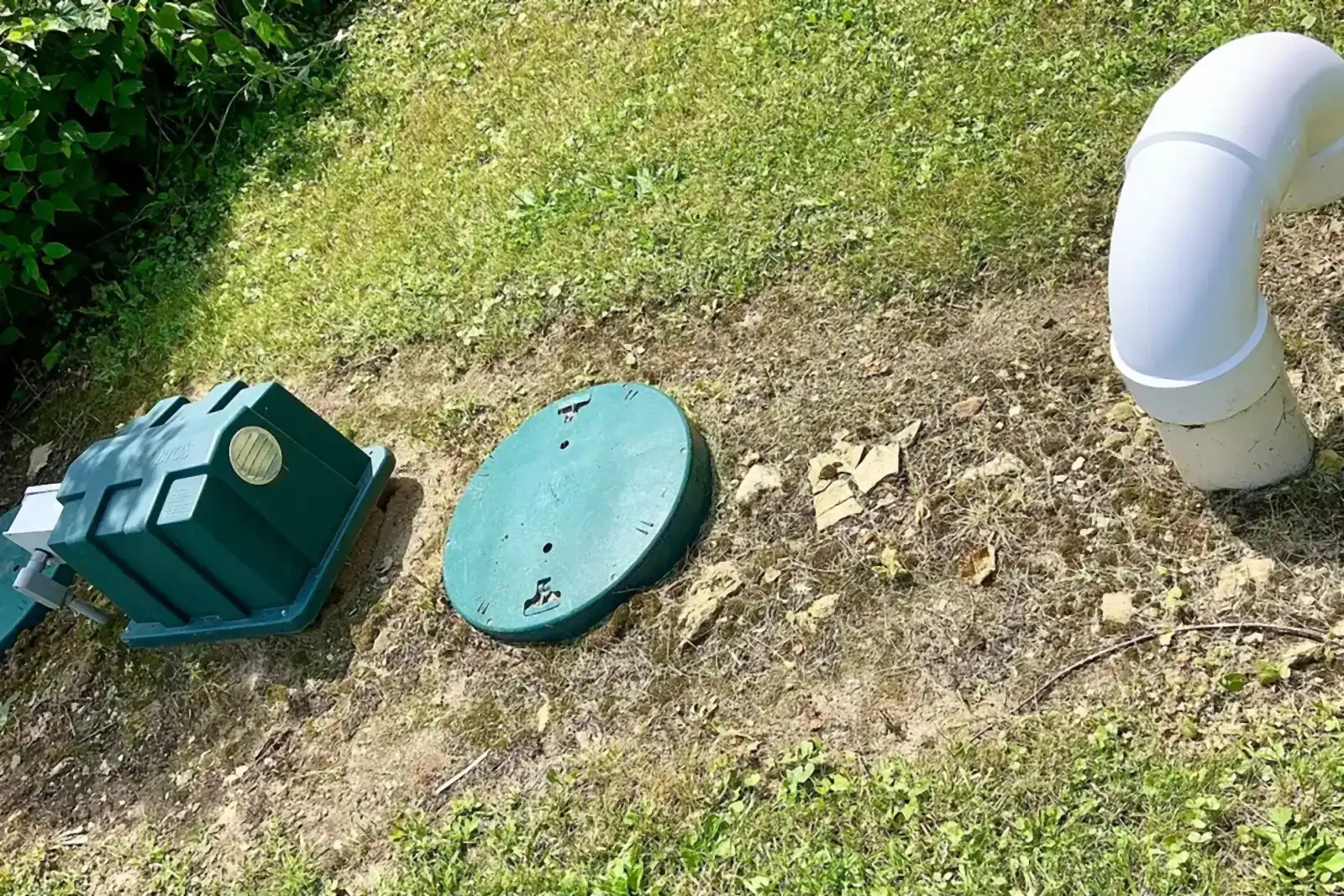
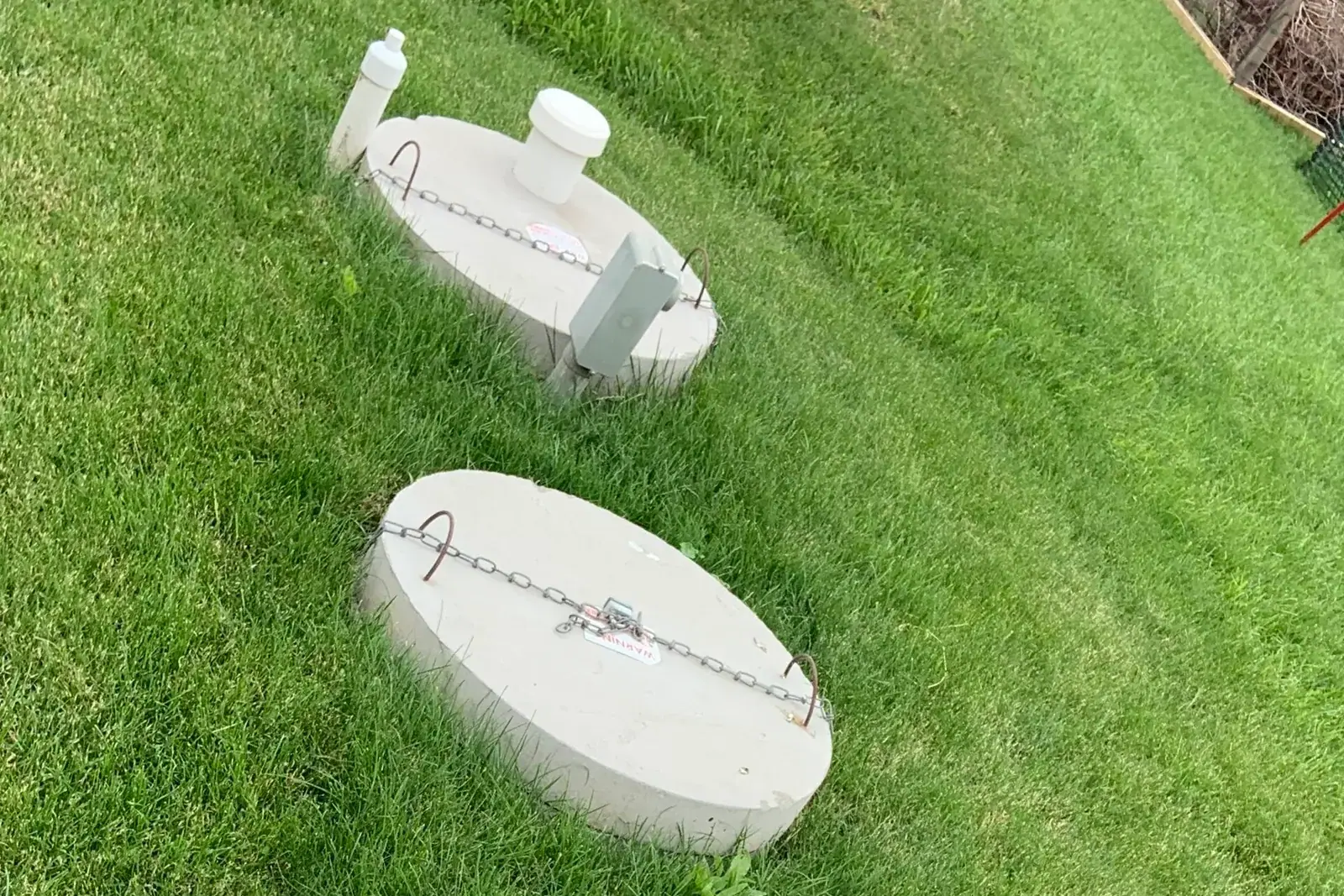
A septic riser is a plastic or concrete collar that brings a buried tank opening up to the surface, so the next pump-out starts with lifting a lid instead of digging a hole. The price has two parts: the kit, which you can look up, and the excavation and fitting, which depend on your yard.
This page gives you the first half in published numbers and shows you how to read the second half on a quote. The kit prices come from a septic parts retailer’s own product pages, checked in October 2026.
Key figures
- $200 Tuf-Tite 20-inch domed riser kit, parts only
- $205 Tuf-Tite 20-inch flat-lid riser kit, parts only
- $275 Tuf-Tite 24-inch domed riser kit, parts only
What a riser kit costs before labor
Wholesale Septic Supply lists Tuf-Tite riser kits by diameter and height. The diameter has to match the tank opening; the height has to cover the distance from the tank top to the finished lawn.
| Tuf-Tite kit | Listed price | What the listing says is included |
|---|---|---|
| 20” wide x 14” high, domed lid | $200 | 12” riser, adapter ring for a concrete tank, lid, 3” safety pan, hardware |
| 20” wide x 14” high, flat lid | $205 | Same, with a flat lid |
| 24” wide x 20” high, domed lid | $275 | 20” riser, lid, 2 tubes of sealant, screws |
| 24” wide x 20” high, flat lid | $290 | Same, with a flat lid |
Source: Wholesale Septic Supply product pages for Tuf-Tite kits, October 2026. Parts only. A domed lid adds about 1 inch to the finished height. The retailer notes that the existing concrete lid must come off before installation and that buyers pay return shipping on a wrong size.
- 20-inch wide, 14-inch high, domed lid$200
- 20-inch wide, 14-inch high, flat lid$205
- 24-inch wide, 20-inch high, domed lid$275
- 24-inch wide, 20-inch high, flat lid$290
Wholesale Septic Supply Tuf-Tite listings, checked October 2026. Package equipment prices for the named dimensions and lids; confirm installation and sealing scope.
The $5 to $15 gap between domed and flat lids is the smallest decision here. The expensive mistake is the wrong diameter or height, because the kit then has to be returned or extended.
Height is measured from the tank top to the finished grade
A 20-inch kit and a 20-inch-high kit are not the same thing. The first number on a riser listing is the opening it fits; the second is how far it rises. Ask the installer to measure both before anything is ordered.
If the tank top sits 30 inches down, a single 20-inch-high kit leaves a 10-inch gap, and the installer adds extension rings. If it sits 12 inches down, a 14-inch kit already reaches the surface. A previous owner’s memory of the depth is not a measurement; locating the tank and probing the lid is part of the job.
The septic inspection guide explains which records to ask for when you buy a house. A site sketch that marks every opening is worth more than a note saying the tank is somewhere in the back yard.
What the installer adds to the parts price
The kit is the part you can price from a screen. The rest of the quote covers:
- Locating the tank if nobody knows exactly where the openings are.
- Digging down to the tank top at each opening, by hand or machine.
- Removing the old concrete lid and cleaning the surface so the adapter ring seals.
- Fitting and sealing the adapter, riser sections and lid, with the screws that lock the cover.
- Backfilling and restoring the lawn around the new collar.
Ask for those five lines separately. A single round figure makes it impossible to compare two quotes, because one may include extension rings and lawn repair while the other does not.
Each opening is a separate riser
Many tanks have two openings, one over the inlet and one over the outlet, and some systems add a pump chamber with a third. A riser over the inlet does nothing for an outlet filter that is still buried.
Two 20-inch kits are $400 to $410 in parts alone. If the outlet opening is the one that holds the effluent filter, that is the riser that saves you digging every time the filter is cleaned. Make sure the quote names which opening each riser serves.
Seals and safety pans stop the two real problems
A riser that is not sealed lets rain and groundwater into the tank, which is extra water the drainfield then has to handle. That is why the larger kit ships with 2 tubes of sealant and why the joint between adapter and tank matters more than the lid style.
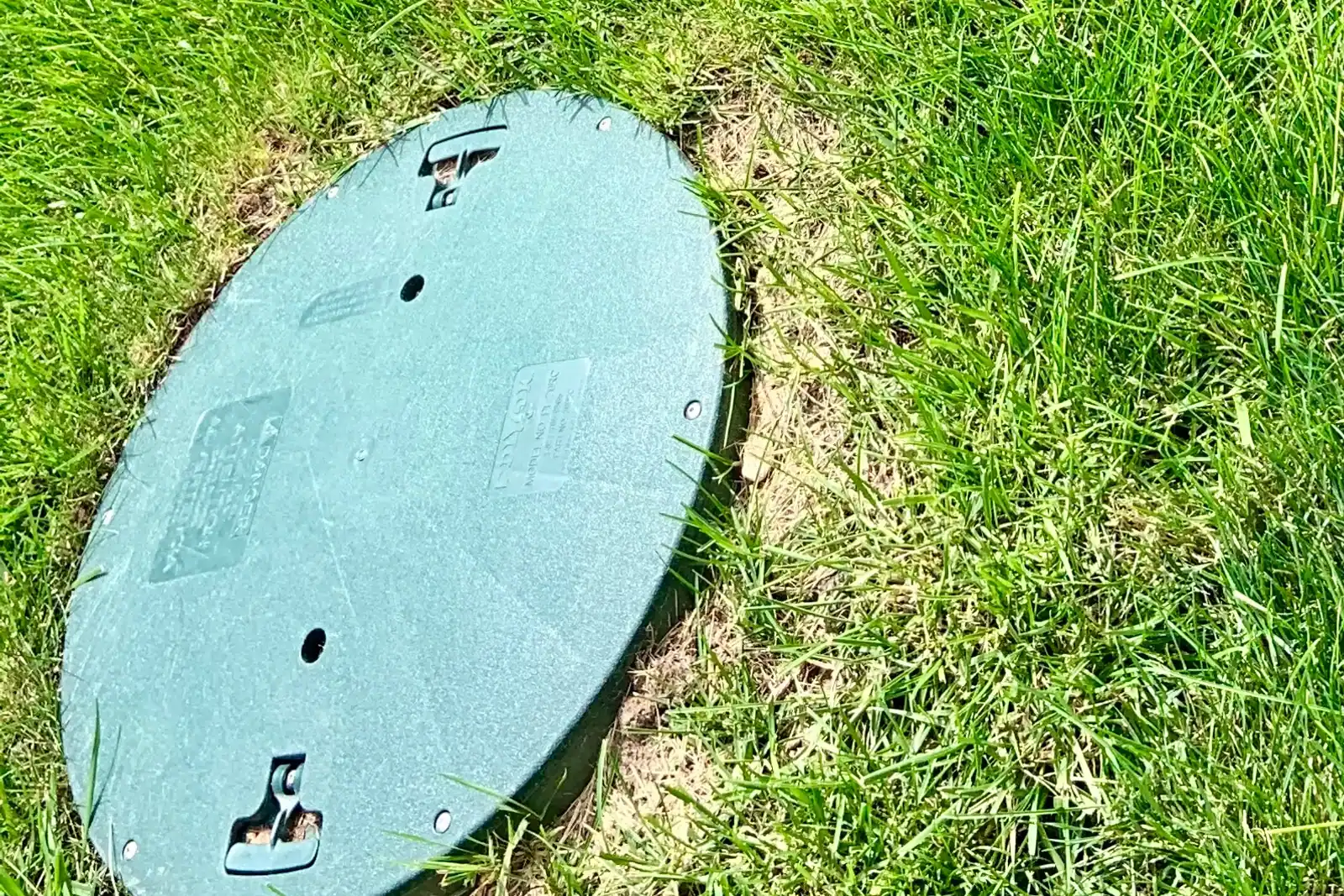
The 3-inch safety pan in the 20-inch kit sits under the lid as a second barrier. Its job is to stop a child or pet from falling in if the top cover is broken or left off. It does not replace a lid that is screwed down; it backs it up.
A riser saves digging, not pumping
EPA advises that a typical household septic tank be pumped every 3 to 5 years and inspected at least every 3 years. A riser does not change that schedule: the interval depends on household size, tank size and how much solid waste builds up.
What a riser removes is the digging at each visit. As a worked example, assume a contractor charges $60 to uncover a buried lid. A $205 kit would need about 4 uncoverings to cover its parts cost, or 12 to 20 years at a pump-out every 3 to 5 years, before you count installation labor. The $60 is an illustration, not a published rate; ask your own pumper what they charge to dig, because that number decides the payback.
The stronger reasons are practical. An inspector can check the tank without a shovel, a problem gets looked at sooner, and nobody has to dig through a frozen lawn in winter.
Never lean into or enter a septic tank: the gases can knock a person unconscious in seconds. Keep children and pets away from any open or damaged cover, and do not consider the job finished until every lid is screwed down.
Keep the sketch of the openings, the kit sizes and the invoice with your well and septic budget, so the next contractor orders matching parts the first time.
Questions people ask
How much does a septic riser kit cost?
Tuf-Tite kits list at about $200 to $205 for a 20-inch-wide, 14-inch-high kit and $275 to $290 for a 24-inch-wide, 20-inch-high kit, parts only, at one septic parts retailer in October 2026.
Is installation included in those prices?
No. Those are parts prices. Locating the tank, digging, removing the old lid, sealing and restoring the lawn are added by the installer, so ask for each line separately.
Do I need a riser on every opening?
Only on the openings you need to service. The outlet side, where an effluent filter usually sits, is the one most worth bringing to the surface.
Will a riser mean less frequent pumping?
No. EPA's 3-to-5-year pumping guidance depends on the tank and the household, not on how easy the lid is to reach.
Where these figures come from
- 20 x 14 septic tank riser kit (Tuf-Tite) Wholesale Septic Supply · wholesalesepticsupply.com
- 24 x 20 septic tank riser kit (Tuf-Tite) Wholesale Septic Supply · wholesalesepticsupply.com
- How to care for your septic system US Environmental Protection Agency · epa.gov
Figures last checked October 2026.