On this page
The septic system is the most expensive thing on a rural property that nobody looks at, and in many sales the “inspection” is somebody lifting a lid, saying it looks fine, and charging for the visit.
That is not an inspection. Here is what one should include and what to read before it happens.
Key figures
- 50 feet FHA well-to-septic-tank minimum, stricter local rules may apply
- 100 feet FHA well-to-drainfield minimum, stricter local rules may apply
Start at the health department, not the property
Septic systems are permitted locally, usually by a county or state health department, and the file is normally public. Ask for it, or ask the seller’s agent to. You are looking for:
- The permit and as-built drawing: what was installed, what size, and where the tank and field actually are.
- The date. A system installed under rules from decades ago may be legal to keep and impossible to rebuild in the same place.
- The design loading, usually expressed by the number of bedrooms. If the house has been extended since, the system may be undersized for what you intend to do with it.
- Any repair or replacement permits, and whether final inspections were signed off.
- Whether the jurisdiction requires an inspection at transfer. Some do.
A property with no file at all is not necessarily a disaster, but it changes what you need from the inspection.
What a proper inspection includes
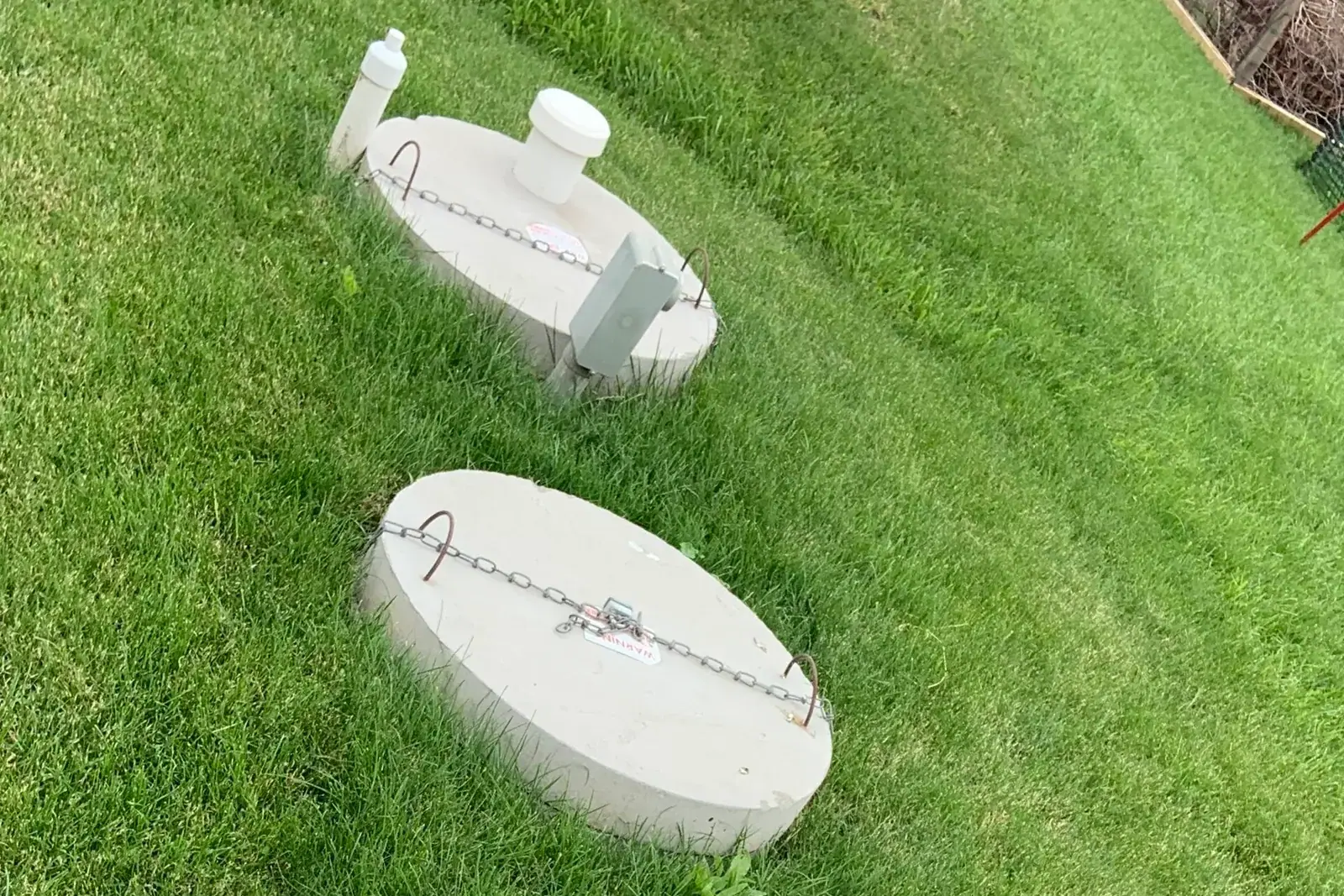
- Locating and opening all access lids, not just the inlet.
- Measuring the sludge and scum layers, with the numbers written down.
- Checking the inlet and outlet baffles or tees, which is where a cheap failure sends solids into the field.
- Checking the effluent filter if fitted.
- A hydraulic load test: running a substantial, measured volume of water into the system and watching whether the level in the tank recovers, and whether anything surfaces.
- Walking the drainfield looking for wet ground, odours, unusually green growth, compaction, vehicle tracks and trees.
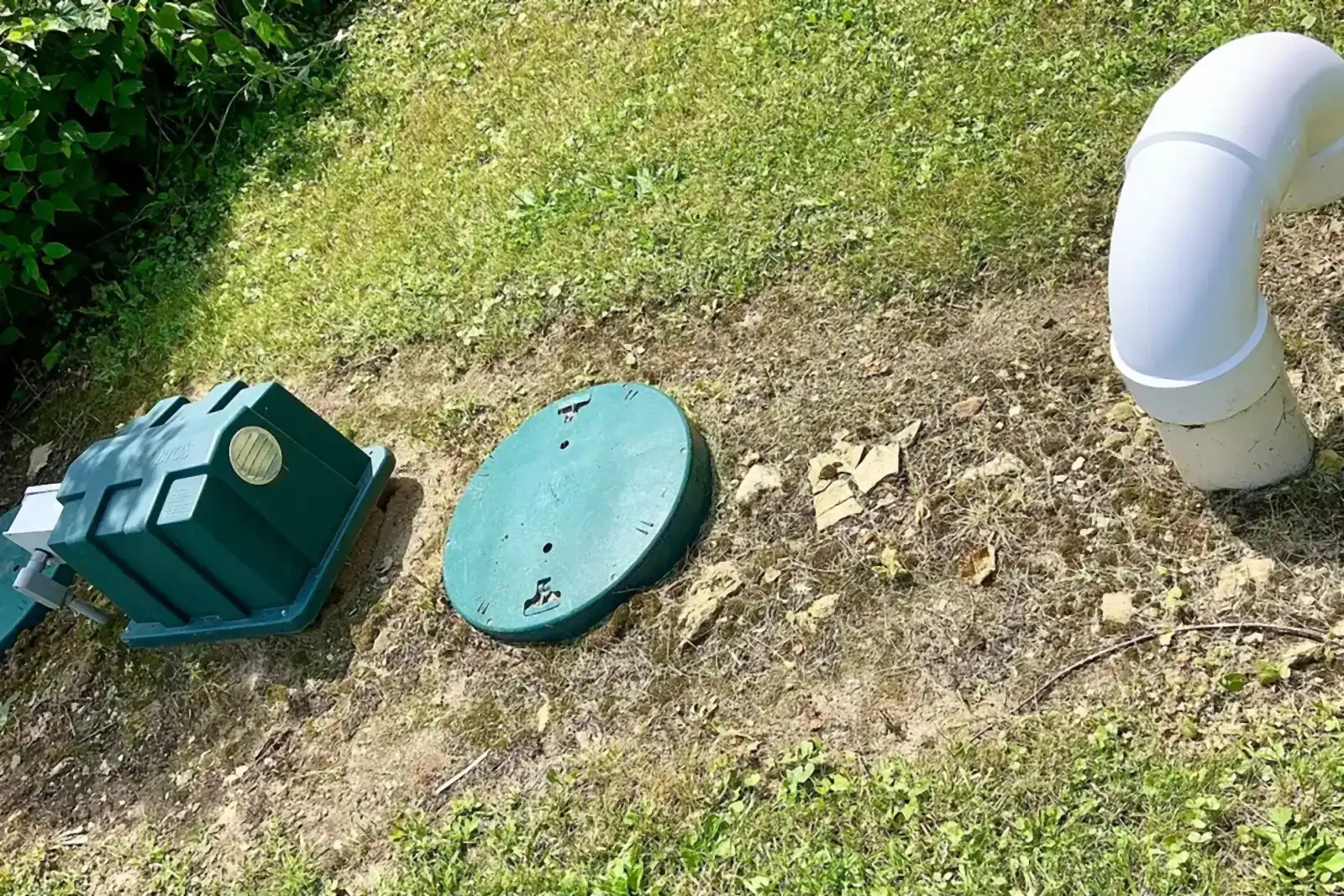
- For an alternative system: the control panel, the alarm, the pump, the treatment unit, and the maintenance contract records.
- A written report with photographs and the measurements, not a verdict.

Questions to put to the seller in writing
- When was the tank last pumped, and by whom? Ask for the invoice.
- Has the system ever backed up or surfaced?
- Has any part been repaired or replaced, and under what permit?
- Where are the lids and the field, and is anything built, paved or planted over them?
- How many people have lived here recently, and were any bedrooms added?
- If it is an alternative system: who services it, how often, and what does that contract cost?
A pump-out carried out days before listing is not suspicious by itself, but it does hide the sludge and scum measurements an inspector would otherwise use. If it happened, ask for the pumper’s report.
If the property is also on a private well, the two systems have to be considered together, because separation distances matter. Lenders using FHA rules generally expect a well to sit at least 50 feet from a septic tank and 100 feet from the drainfield, with stricter state or local requirements taking precedence. Confirm the current numbers with your lender and the local health department rather than assuming.
Pricing what the inspection finds
Sort the findings into three groups before negotiating.
Routine. The tank needs pumping, the filter needs cleaning, the lids need risers. These are hundreds of dollars and belong in your first-year budget rather than in the negotiation.
Component repairs. A broken baffle, a failed pump, a cracked lid, a control panel fault. Get a quote; these are real but bounded.
The expensive one. Any sign that the drainfield is not accepting water: surfacing effluent, a tank that does not recover after loading, a history of repeat pumping. This is where a replacement quote belongs in the conversation before you commit, because the number depends on soil, space and local rules rather than on the asking price of the house.
After you buy
- Put the permit file and the as-built drawing somewhere you will find them.
- Mark the lids and the field on a sketch, and fit risers if they are buried.
- Book the first pump-out from the inspection measurements rather than from a guess.
- If it is an alternative system, take over the service contract immediately; in many states that contract is part of the permit.
- Keep every invoice. When you sell, that folder is the difference between a nervous buyer and a quick sale.
Related reading: Price Septic Filter Care With the Complete Service Visit and Price Septic Risers as a Complete Access Job.
Questions people ask
Is a septic inspection included in a home inspection?
Usually not. A general home inspection may note the presence of a system and look for obvious surface problems, but opening the tank, measuring sludge and scum, checking baffles and running a hydraulic load test is a separate specialist inspection.
Who keeps the records for a septic system?
Normally the county or state health department that issued the permit, and the file is generally public. Ask for the permit, the as-built drawing, the design loading and any repair permits before the inspection rather than after.
What if the seller just had the tank pumped?
It is not a red flag on its own, but it removes the sludge and scum measurements that tell an inspector how the system has been running. Ask for the pumper's invoice and report, and put more weight on the hydraulic load test and the condition of the drainfield.
Should I walk away from a house with an old septic system?
Not automatically. Age matters less than condition, records and whether a replacement is possible on the lot if it is ever needed. The question worth answering before you commit is what a replacement would cost and where it could physically go.
Where these figures come from
- How to Care for Your Septic System US Environmental Protection Agency · epa.gov
- Types of Septic Systems US Environmental Protection Agency · epa.gov
- Single Family Housing Policy Handbook 4000.1 US Department of Housing and Urban Development · hud.gov
Figures last checked September 2026.