On this page
A clean termite report feels like a clean bill of health. It is not, and the form itself says so, in sentences most buyers never reach because they stop reading at the checkbox that says no visible evidence.
This page walks through the report the way a careful buyer should: less interested in the verdict than in what the inspector was able to look at, what they were not, and what the form is legally careful not to promise.
The form, and what it says about itself
For most financed purchases the report is the NPMA-33, published by the National Pest Management Association and approved for FHA and VA loans. HUD hosts it. It has four sections that matter.
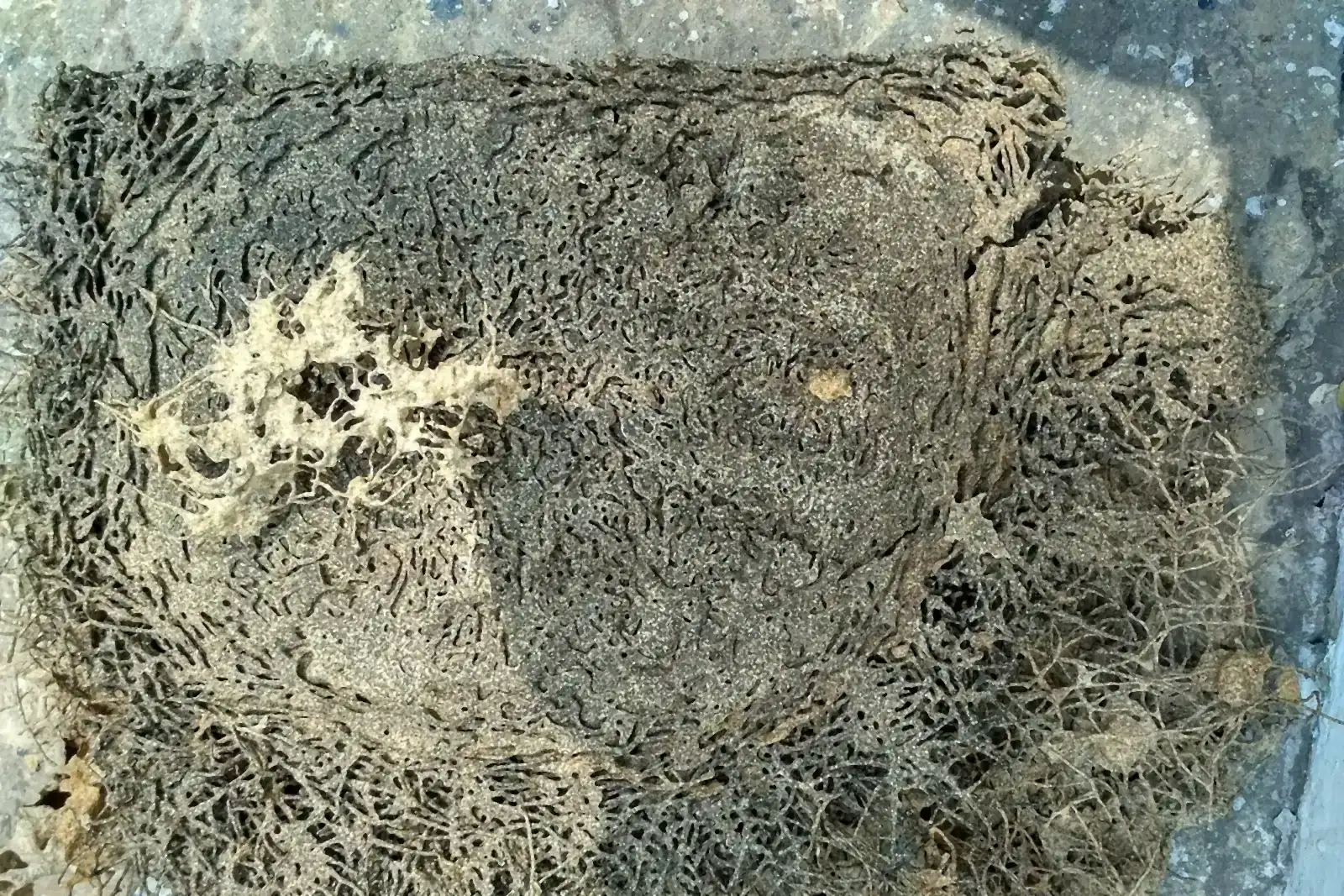
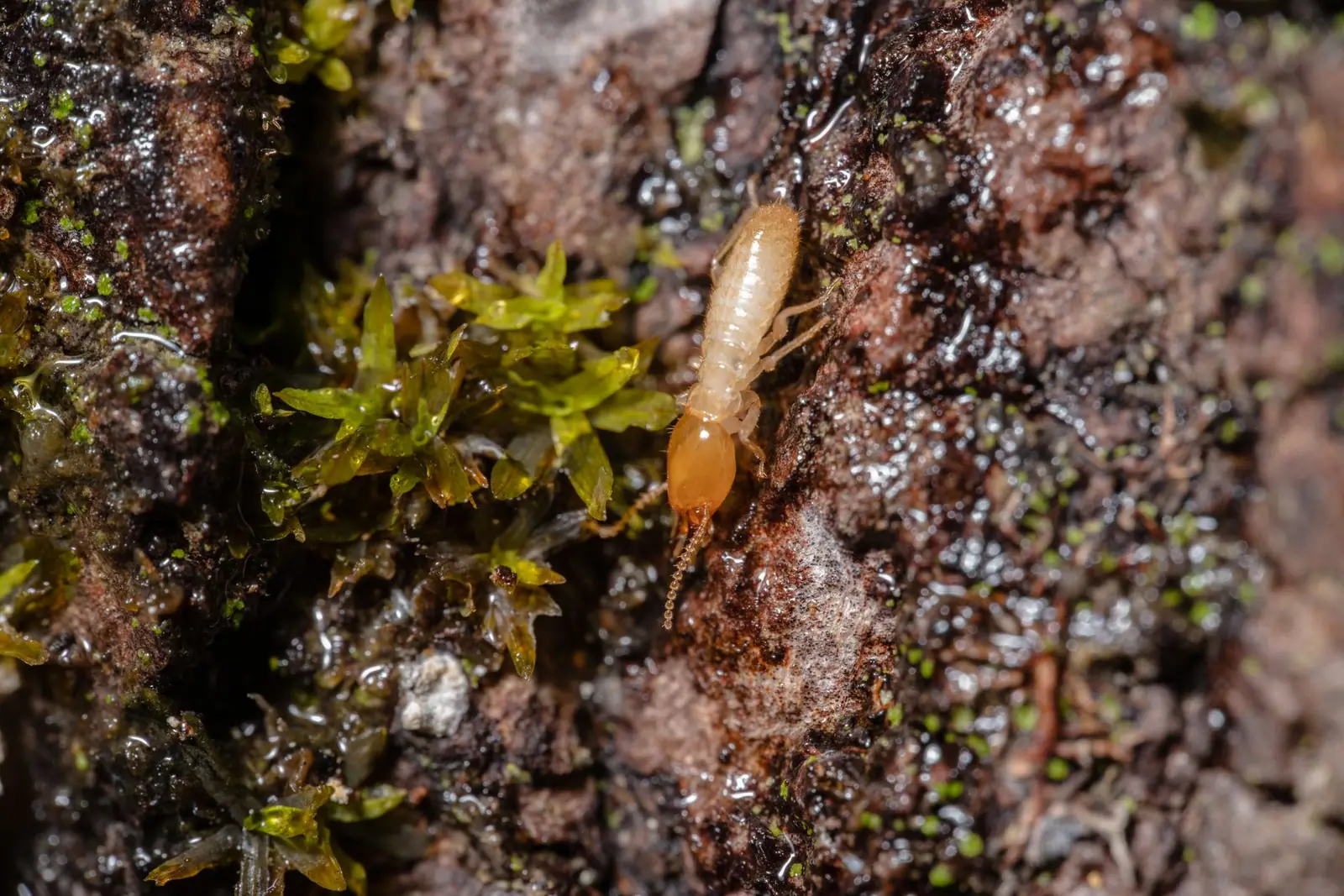
Section II, the findings. Either box A, no visible evidence of wood destroying insects was observed, or box B, visible evidence was observed, with the live insects, dead insects, frass, shelter tubes, exit holes, staining and damage described and located.
Directly above those boxes sits the sentence that defines the whole document. The report reflects the structure on the date of inspection and is not to be construed as a guarantee or warranty against latent, concealed or future infestations or damage. It is based on a careful visual inspection of the readily accessible areas.
The damage note. The form states plainly that it is not a structural damage report, and that if evidence was found, some degree of damage, including hidden damage, may be present. It recommends that the buyer get a qualified opinion if damage is in question.
Section III, the recommendation. Treatment recommended or not, and for what.
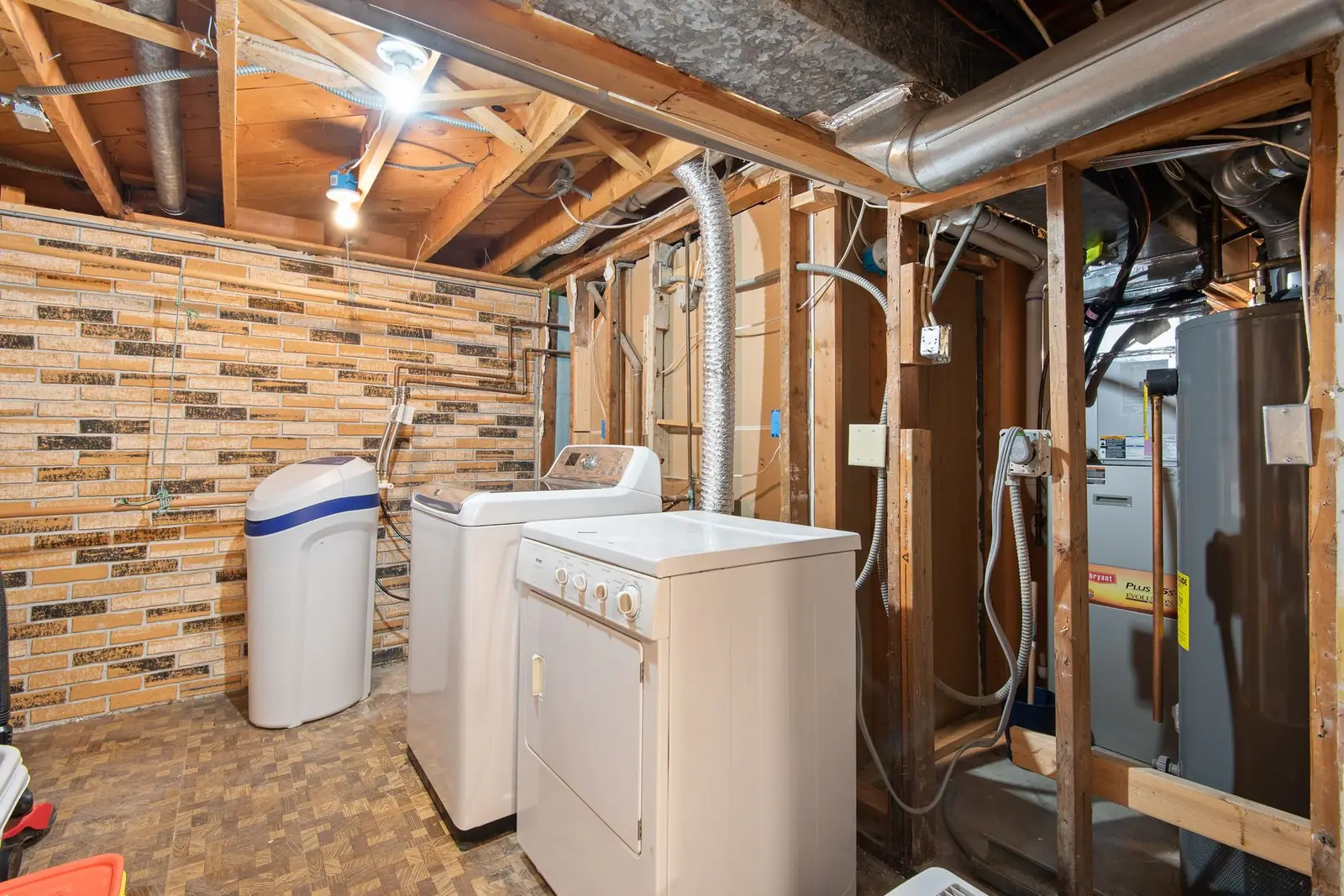
Section IV, the obstructions. The areas the inspector could not examine: basement, crawl space, main level, attic, garage, exterior, porch, along with a key of reasons such as stored items, insulation, standing water, dense vegetation, wall coverings or unsafe conditions.
Section IV is the part to read twice
A report can say no visible evidence and also list the crawl space, the attic and the garage as inaccessible. Both statements are true. Together they mean the inspector did not see termites in the parts of the house where termites are least likely to be.
Read the obstruction list and ask practical questions of it.
- Crawl space inaccessible? That is usually the most important area of the house for subterranean termites. Ask the seller to clear or open it and pay for a return visit.
- Stored items along basement walls? Boxes against a foundation wall hide exactly the mud tubes you need to see.
- Finished basement? Drywall and carpet cover the sill and the slab joints. Nobody can inspect through them, and the report says so.
- Exterior obscured by vegetation, siding or foam board? Rigid foam insulation and synthetic stucco at grade are well-known concealed routes.
When the inspection is required
For VA loans, the VA publishes the list. A wood destroying insect inspection is required for the entire state or territory in 35 jurisdictions: Alabama, Arizona, Arkansas, California, Connecticut, Delaware, the District of Columbia, Florida, Georgia, Hawaii, Illinois, Indiana, Kansas, Kentucky, Louisiana, Maryland, Massachusetts, Mississippi, Missouri, New Jersey, New Mexico, North Carolina, Ohio, Oklahoma, Puerto Rico, Rhode Island, South Carolina, Tennessee, Texas, the US Virgin Islands, Virginia, West Virginia, Guam, American Samoa and the Northern Mariana Islands. Parts of Colorado, Iowa, Nebraska, Nevada, New York, Pennsylvania, Utah and Wisconsin are required by county.
Outside those areas it is required when the appraiser notes a problem. For conventional loans it depends on the lender and the contract, which means it depends on whether you ask for it. Ask for it.
Older guidance, still repeated on many sites, says a VA buyer cannot pay for the termite inspection. VA’s current fees and charges list says otherwise: veterans may be charged wood destroying pest inspection fees where the Notice of Value requires the inspection, and may also pay for repairs needed to meet the minimum property requirements. Who actually pays is now a matter for the purchase contract.
Look up the history before you offer
California runs something every buyer elsewhere should envy. Licensed companies must file wood destroying organism inspection and completion reports with the Structural Pest Control Board, and the board lets anyone search a property address to see whether an inspection was completed there in the last two years. You can then request copies of the reports themselves.
That tells you whether a previous buyer walked away over termites, whether a treatment was completed, and whether the seller’s current clean report is the only one or merely the latest. Other states keep records too, with less public access. Where they do not, ask the seller directly for all prior reports and any treatment contract, and make the answer part of the disclosure.
Reading the report you actually receive
- Find the date. It is a snapshot. A report older than your lender’s window will need redoing anyway.
- Read Section II line by line. Frass, exit holes and shelter tubes are findings even if the inspector saw no live insects.
- Read the damage note and treat any evidence as a reason for a structural opinion, not a reassurance.
- Read Section IV and decide which obstructions you will ask to have cleared.
- Ask about any prior treatment. The form’s own guidelines say that where evidence of infestation is found and no previous treatment is documented, treatment should be recommended even if no live termites are seen. A documented earlier treatment changes that recommendation, so ask for the contract and whether it transfers to you.
- Hire your own inspector if the report came from the seller’s company. Nothing wrong has to have happened for you to want an independent pair of eyes.
If the report finds something
Evidence found does not have to kill the deal. It changes the negotiation into three questions: is the colony active, who treats it, and what does the wood look like.
Treatment is usually the cheaper part. The EPA’s advice for choosing a company applies here: get several estimates, confirm the license, and ask whether the guarantee covers damage or only retreatment. A transferable damage guarantee from the seller’s treatment is worth real money to you and should be written into the contract.
Related reading: A Termite Renewal Needs a Written Coverage Comparison and What a Termite Treatment Really Costs.
Questions people ask
What is an NPMA-33 termite report?
It is the standard wood destroying insect inspection report, approved for FHA and VA loans. It records whether visible evidence of wood destroying insects was found in the readily accessible areas on the day of inspection, recommends treatment or not, and lists areas that were obstructed or inaccessible.
Does a clean termite report guarantee there are no termites?
No. The form states it is not a guarantee or warranty against latent, concealed or future infestations, and that it is not a structural damage report. It only covers what the inspector could see in accessible areas.
Can a veteran pay for the termite inspection on a VA loan?
Under VA's current fees and charges list, veterans may be charged wood destroying pest inspection fees where the Notice of Value requires the inspection. Who pays in practice is negotiated in the purchase contract.
Can I see past termite inspections on a house?
In California, yes: the Structural Pest Control Board lets you search a property address for inspections filed in the last two years and request copies. Elsewhere, ask the seller for all prior reports and treatment contracts in writing.
Where these figures come from
- Wood Destroying Insect Inspection Report (NPMA-33) US Department of Housing and Urban Development · hud.gov
- Local Requirements: Wood-Destroying Insect Information US Department of Veterans Affairs · benefits.va.gov
- State Fees and Charges Deviations List US Department of Veterans Affairs · benefits.va.gov
- How Do I Search for Termite Inspection Information? California Structural Pest Control Board · pestboard.ca.gov
- Choosing a Pest Control Company US Environmental Protection Agency · epa.gov
Figures last checked September 2026.