On this page
Termite companies sell protection. Much of the protection that actually matters is not for sale, because it is a hose, a shovel, a ladder and an afternoon. It also happens to be the list of conditions a company will ask you to fix before it will guarantee its own work.
What termites need from your house
Subterranean termites live in the soil and need moisture to survive. UC IPM explains that they maintain their connection to the soil through shelter tubes, and the EPA’s prevention advice follows directly from that: keep the soil around the foundation dry, and do not give them easy wood at ground level.
So the house has two jobs. Stay dry at the base, and keep a clear, visible gap between soil and wood.
Water: the part that matters most
The EPA’s first recommendation is to keep the soil around the foundation dry through proper grading and drainage.
- Grading. Soil should slope away from the foundation, not toward it. After years of planting and settling, many beds end up sloping back to the wall.
- Gutters and downspouts. The EPA names them specifically. A clogged gutter spills along the wall, and a downspout that discharges at the foundation keeps a strip of soil permanently wet. Extend downspouts well away from the house.
- Leaks. Fix them immediately, the EPA says. Dripping outdoor faucets, air conditioning condensate lines, and leaking pipes in the crawl space all feed termites.
- Crawl space moisture. Standing water or saturated soil under a house is an open invitation. Get it looked at.
- Sprinklers. Irrigation that sprays the foundation wall every morning keeps it wet in a way the rain never would.
Wood and soil: keep them apart
The target from UC IPM is specific: a 12-inch barrier of smooth concrete, coarse sand or other inorganic material between the soil surface and structural wood.
That gap does two things. It removes the easy route, and it gives you and your inspector a clean band where a mud tube shows up immediately.
The common ways houses lose that gap:
- Mulch and flower beds built up against the siding over the years.
- Soil heaped against the wall during landscaping.
- Wooden steps, posts and trellises set directly in the ground and touching the house.
- Deck posts without proper footings.
- Siding and foam insulation carried down to or below grade, which hides tubes completely.
- Scrap lumber and form boards left under porches or in the crawl space after building work.
Firewood, debris and plants
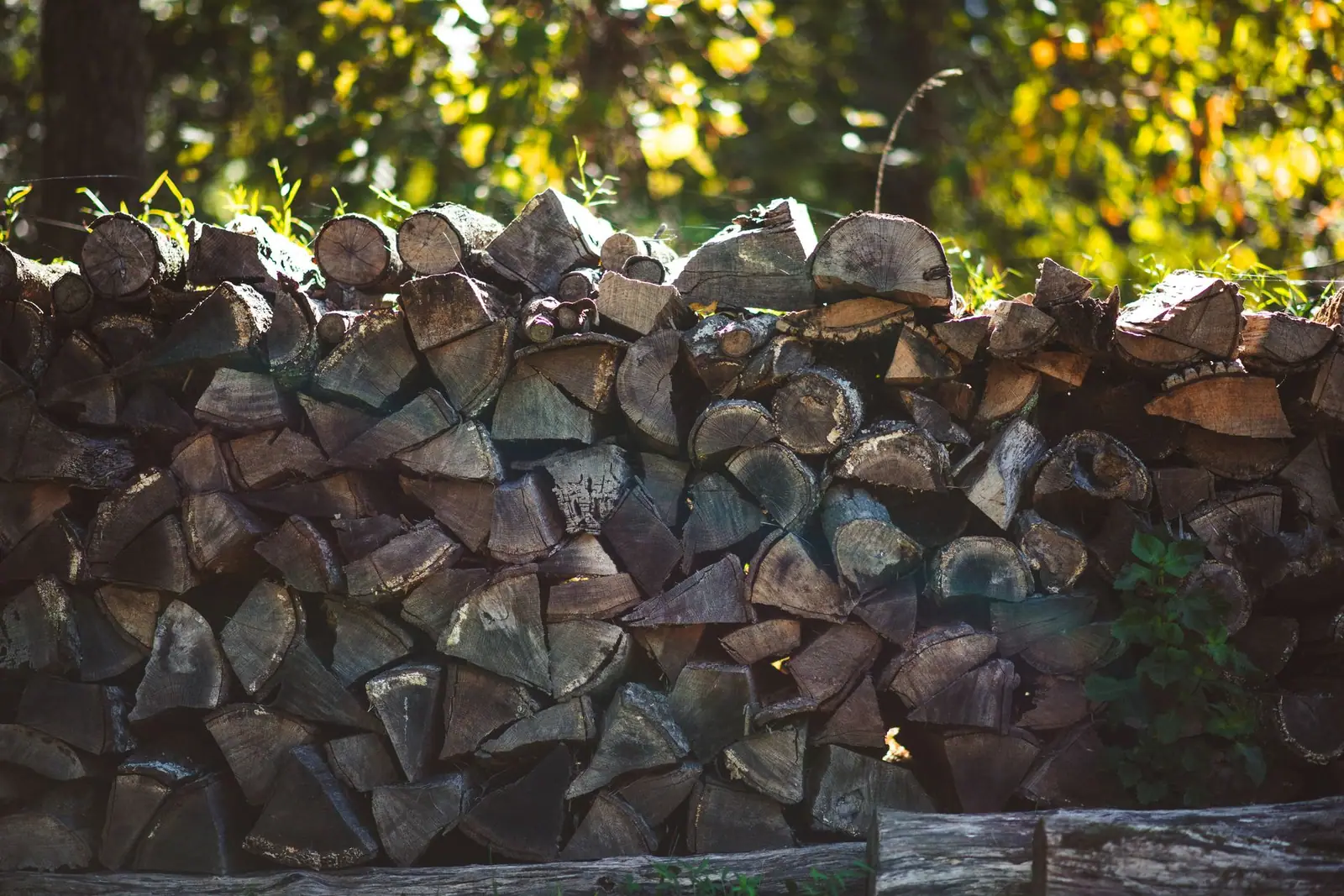
Firewood. The EPA says not to pile or store firewood or wood debris next to the house. Keep it away from the walls, off the ground on a rack, and bring in only what you will burn soon.
Stumps and roots. A dead stump near the house is a food source that keeps a colony comfortable nearby.
Plantings. The EPA says trees and shrubs should not be planted too close to the structure. Dense planting against a wall keeps it damp and hides it from inspection.
Every item on this list does double duty. It makes the house less attractive to termites, and it lets an inspector see the foundation. A lot of inspection reports list exterior areas as obscured by vegetation or soil. Clearing those areas costs nothing, and it is the difference between an inspection that looks and one that guesses.
If you are building or adding on
This is the one time physical barriers are easy. The EPA notes that physical barriers are typically incorporated during construction, and that steel mesh and sands of particular sizes have been shown to perform effectively. A proper concrete foundation with ventilated space between soil and wood, and metal barriers over exposed wood, also help.
If you are adding a porch, a deck or an extension to a treated house, tell your termite company before the concrete is poured. New work often breaks a treated zone or covers soil that was treated, and it can void a guarantee.
A twice-a-year walk around
- Walk the perimeter and look at the foundation between soil and siding for mud tubes.
- Check the gutters and make sure every downspout discharges away from the house.
- Pull back mulch that has crept against the wall.
- Look at the crawl space or basement walls with a flashlight for tubes and damp patches.
- Check outdoor faucets and condensate lines for drips.
- Look at the window sills in spring for piles of shed wings.
It takes about an hour. It is the most effective hour of termite control you will spend.
Related reading: Insurance Almost Never Pays for Termite Damage and Liquid Barrier or Bait Stations.
Questions people ask
How do I keep termites away from my house?
Keep the soil at the foundation dry with good grading, working gutters and extended downspouts, fix leaks quickly, keep plantings back from the walls, and keep firewood and wood debris away from the house. Those are the EPA's recommendations, and they also make inspections more reliable.
How far should mulch be from the foundation?
UC IPM recommends a 12-inch barrier of smooth concrete, coarse sand or other inorganic material between the soil surface and structural wood. Mulch piled against the siding closes that gap and hides mud tubes.
Is it bad to store firewood next to the house?
Yes. The EPA says not to pile or store firewood or wood debris next to the house. Keep it away from the walls and off the ground.
Can I prevent termites without chemicals?
You can make a house much less attractive by controlling moisture and removing wood-to-soil contact, and physical barriers such as steel mesh or graded sand can be installed during construction. Where an active colony exists, prevention alone will not remove it.
Where these figures come from
- Termites: How to Identify and Control Them US Environmental Protection Agency · epa.gov
- Subterranean and Other Termites Management Guidelines University of California Statewide IPM Program · ipm.ucanr.edu
Figures last checked September 2026.