On this page
The wind stops, people go outside, and the injury numbers climb. The hazards in the days after a storm are quieter and more familiar than the storm, which is exactly why they catch people.
Key figures
- 20 feet Minimum generator distance outdoors from the house
- one minute Water-boiling time, subject to local safety notices
Carbon monoxide
This is the one that kills after storms. A generator in a garage, a grill on a covered porch, a camp stove indoors, an oven used for heat.
The rule does not change with the weather: generators run outdoors only, at least 20 feet from the house, with the exhaust pointed away from windows, doors and vents, and no fuel-burning appliance of any kind is used indoors for heat or cooking unless it was designed and installed for it.
Have a battery-operated CO alarm, and if it sounds, get everyone outside first and call for help from there.
Electricity
- Every downed line is live until the utility says otherwise, including one lying in a puddle or draped over a fence or a car.
- Do not walk into standing water in a basement, garage or garden where anything electrical may be energised.
- Do not touch anything that got wet until an electrician has looked at it, including sockets, panels and appliances.
- Report lines, do not move them, and keep children and pets away.
Almost every post-storm electrocution starts with someone deciding a particular wire looked dead. There is no way to tell by looking.
Water and food
If flood water reached it, the FDA’s guidance is strict: discard any food not in a waterproof container, including cardboard boxes, screw-top jars and home-canned food. Undamaged all-metal cans and retort pouches can be washed and sanitised.
For drinking water, follow local boil-water notices. Where there is none but the supply is in doubt, boil for one minute, or add one eighth of a teaspoon of unscented 5.25 percent household bleach per gallon, stir, and wait 30 minutes.
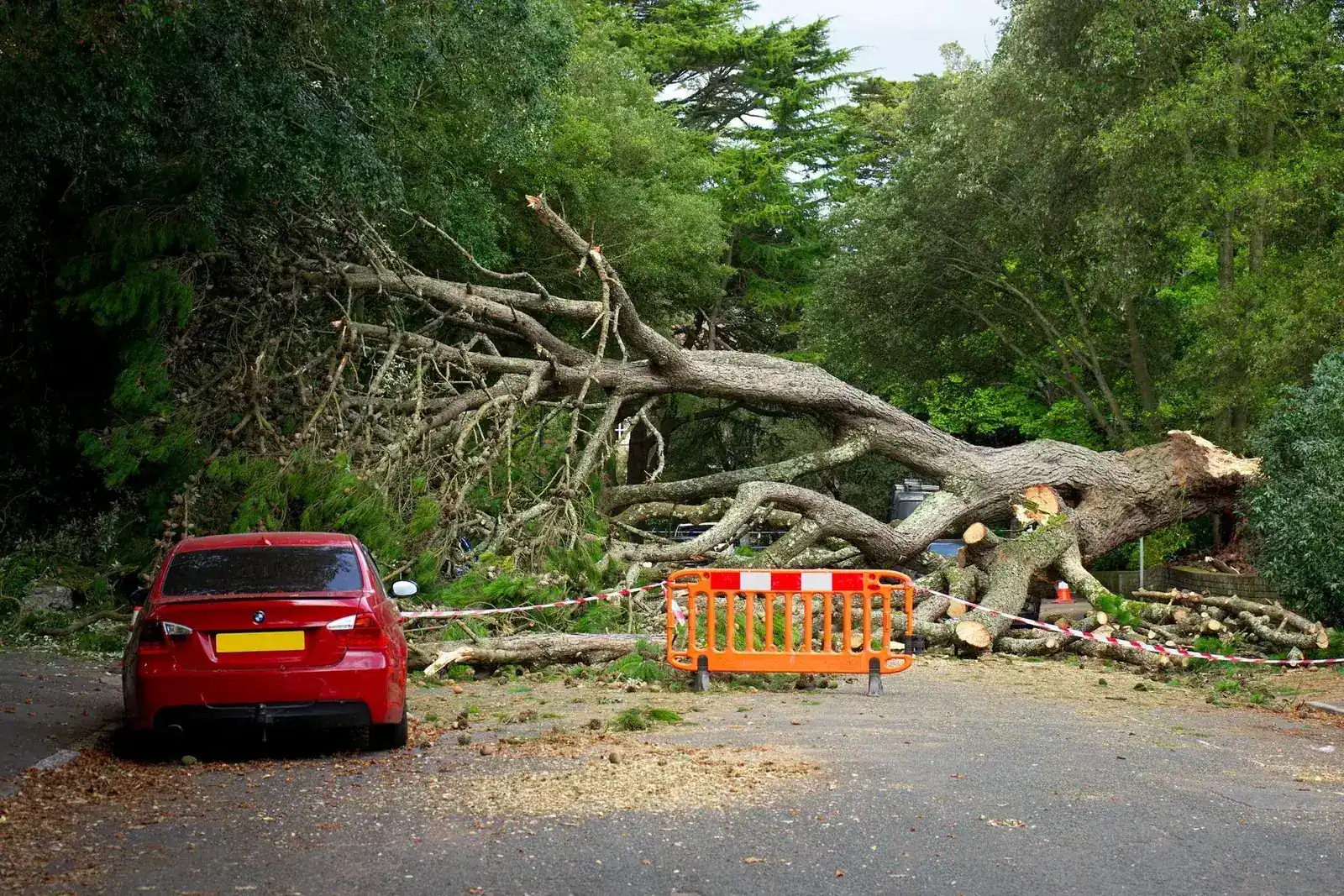
Clearing up without adding to the casualty list
- Wear boots and gloves. Nails, glass and metal are everywhere.
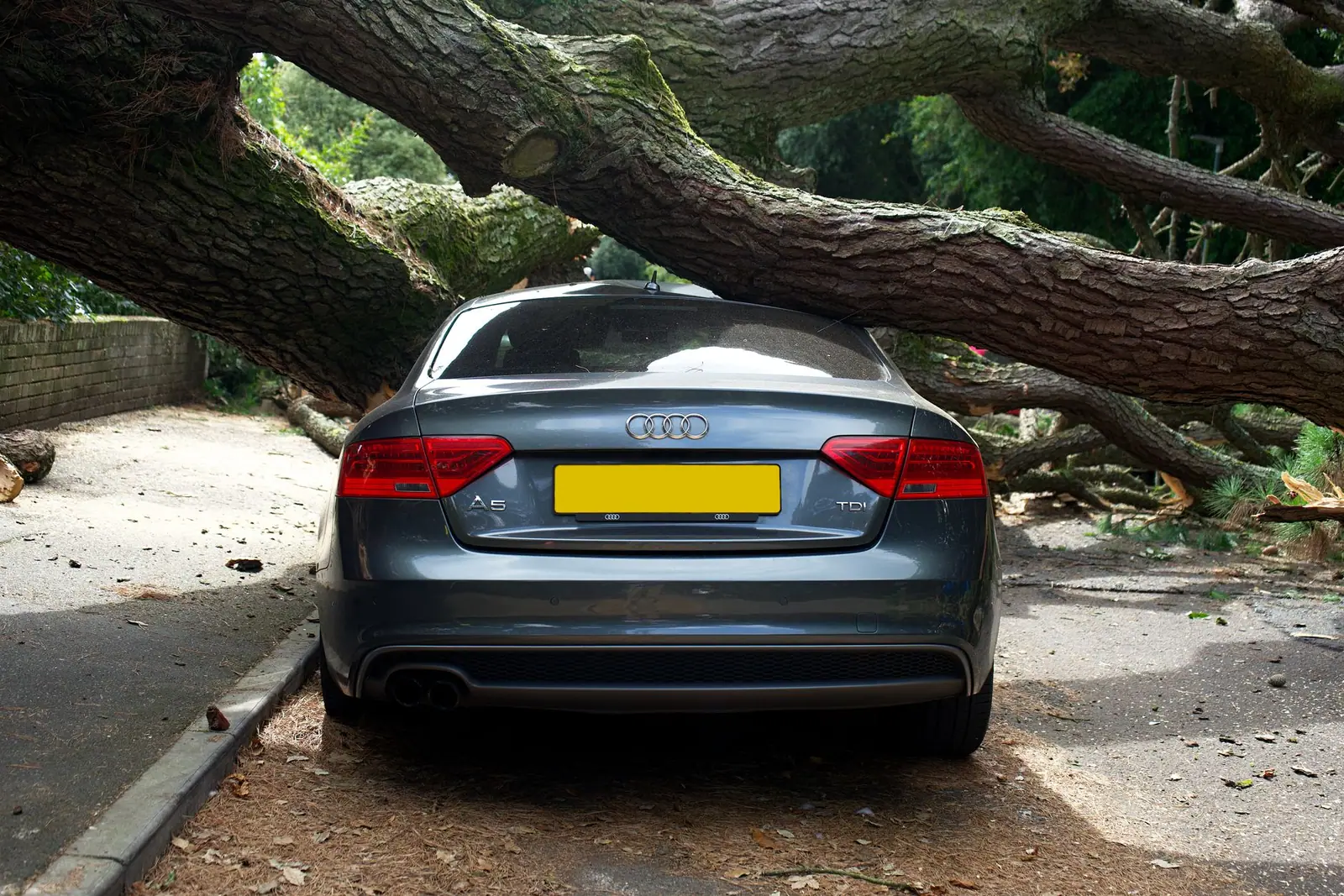
- Leave leaning trees and hanging limbs to people with the equipment and the insurance. Stored tension in a fallen tree is genuinely dangerous.
- Never use a chainsaw alone, or above shoulder height, or near power lines.
- Pace yourself. Heart attacks during clean-up are a well-documented post-disaster pattern, especially with heat and exertion.
- Watch for animals. Snakes and rodents move with flood water and end up in garages and debris piles.
The paperwork, while it is fresh
- Photograph everything before moving it, including the mud line on walls.
- Keep receipts for tarps, boarding, hotel nights and repairs. Some are reimbursable.
- Report the claim early. Adjusters get busier every day after a major storm.
- Do not throw out damaged items until they have been recorded, if you can store them safely.
Beware the people who arrive with it
Post-disaster fraud follows the pattern every time: door-to-door contractors demanding cash up front, no written contract, out-of-state plates, pressure to sign immediately. Check licences, get it in writing, and never pay the full amount before the work.
Related reading: Winter Storms Are a Heating Problem, Not a Snow Problem and Six Inches of Water Is Enough to Take You Down.
Questions people ask
What kills people after a storm?
Carbon monoxide from generators and improvised heating and cooking, electrocution from downed lines and wet equipment, clean-up injuries and heart attacks during exertion.
Is it safe to use a generator after a storm?
Yes, outdoors and at least 20 feet from the house with the exhaust directed away from windows and vents. Never in a garage, shed or porch.
Can I keep food that floodwater touched?
Only undamaged all-metal cans and retort pouches, after washing and sanitising. Everything else is discarded.
When can I go back after an evacuation?
When officials say the area is open. Returning early puts you in the middle of live lines, unstable structures and blocked roads.
Where these figures come from
- CPSC Warns of Generator, Carbon Monoxide and Fire Hazards Ahead of Hurricane Season US Consumer Product Safety Commission · cpsc.gov
- Food and Water Safety During Power Outages and Floods US Food and Drug Administration · fda.gov
- Power Outages Ready.gov, FEMA · ready.gov
Figures last checked September 2026.