On this page
The difference between the two is not the equipment. In many systems it is the same panel, the same sensors and the same app, with one setting changed. What you are choosing is who is on the other end at three in the morning.
What actually happens with professional monitoring
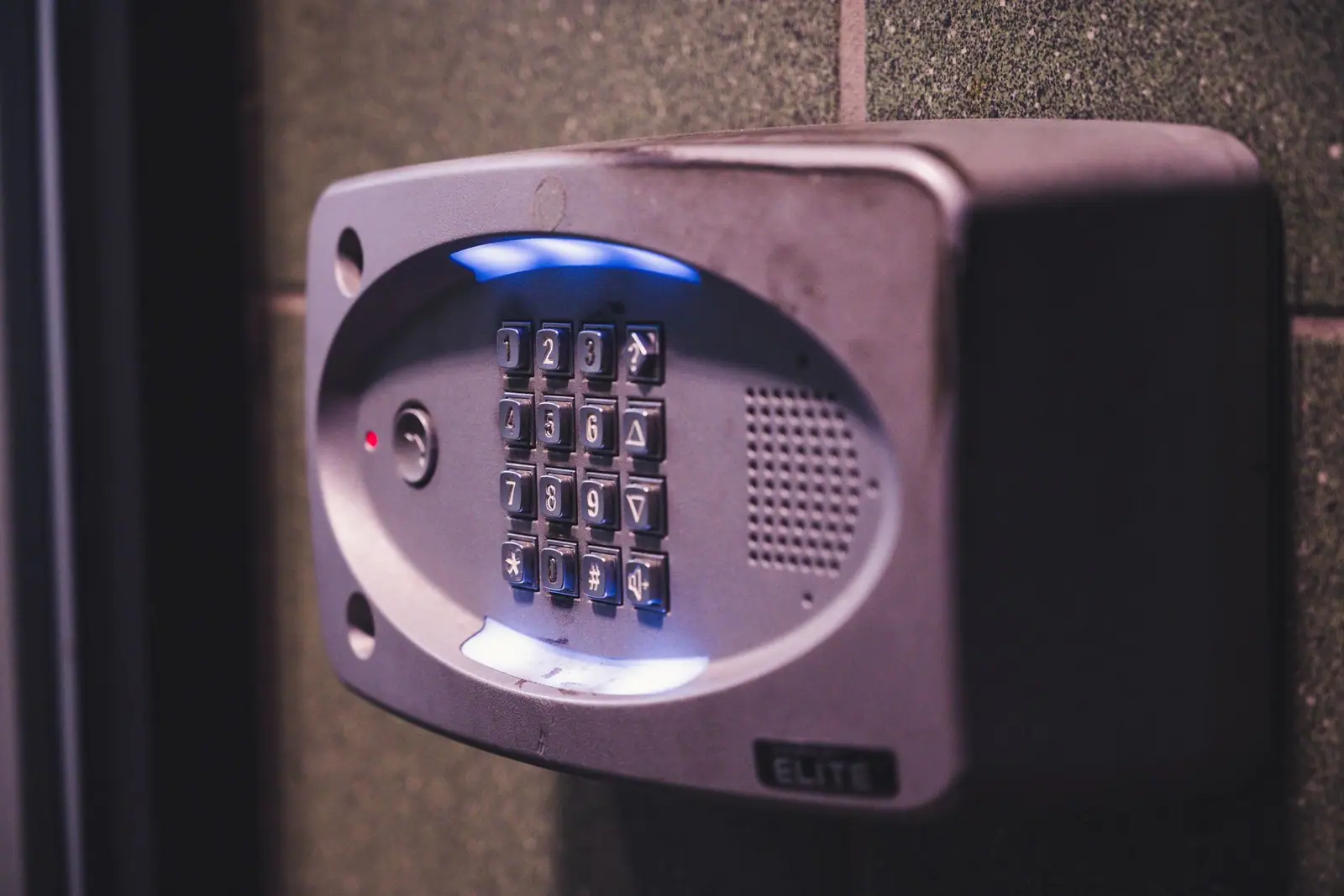
- A sensor trips and the panel sends a signal, usually over cellular so that a cut internet line does not silence it.
- An operator at a central station sees the alarm and follows a script: typically a call to the premises, then to the people on your contact list.
- If nobody answers, or somebody gives the wrong passcode, the operator requests police dispatch.
- Your city decides what happens next, which is the part the alarm company does not control.
The value is in step 2 and step 3 happening whether or not you are awake, reachable or calm. The weakness is that the operator knows nothing about your house beyond what the signal says.
What actually happens when you self-monitor
- A sensor trips and your phone gets a notification.
- You look at a camera, if you have one, and decide.
- You call the police yourself, which means you are describing what you can see rather than reporting a generic alarm.
The value is that you are the verification step, and a person reporting what they can see on camera is treated very differently from an automated alarm. The weakness is availability: notifications get muted, phones run out of battery, and you may be somewhere you cannot act.

The part neither company controls: police response
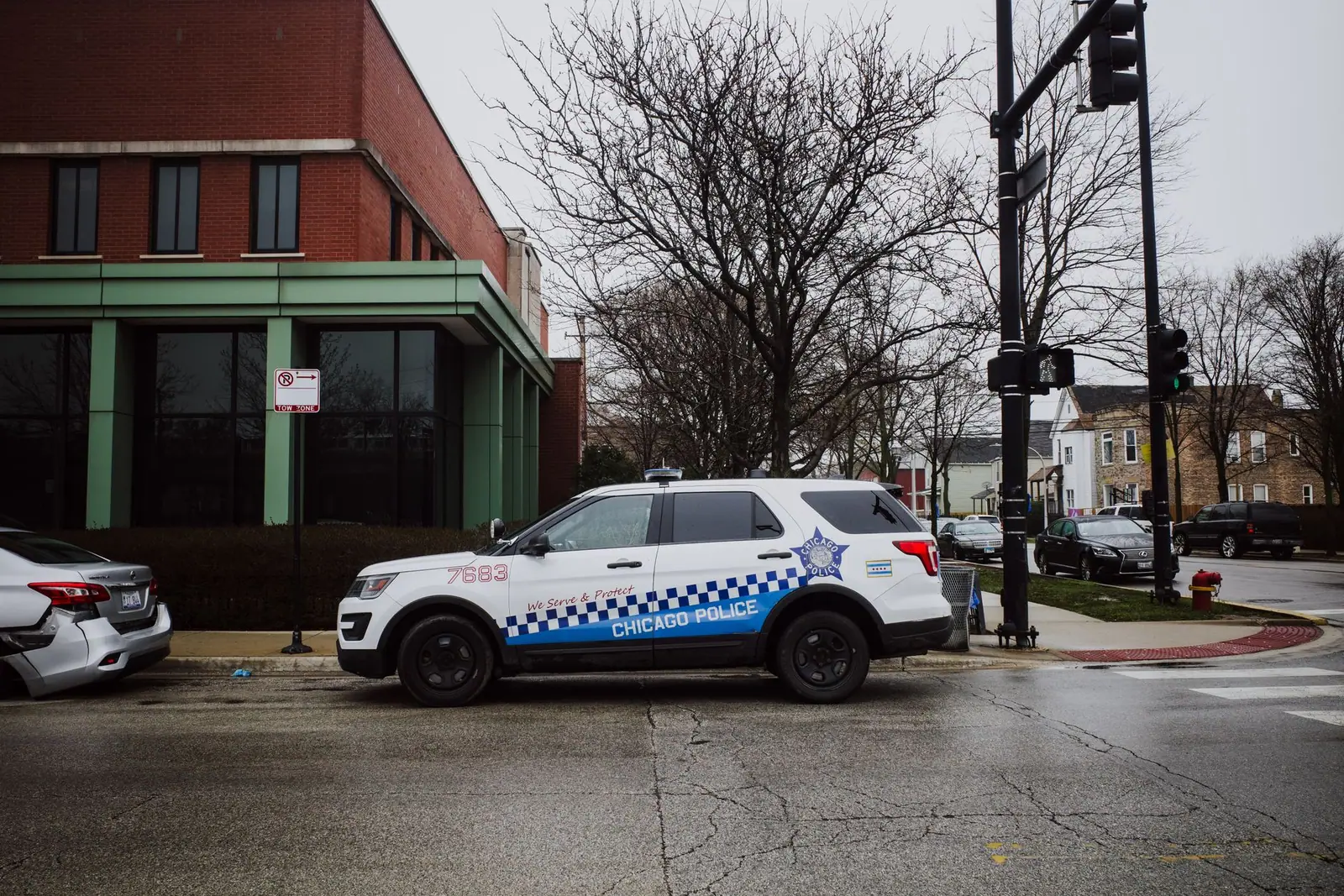
How the police treat an alarm is set locally, and the range is wide. The Department of Justice’s guidance on false burglar alarms explains why: the vast majority of alarm calls, between 94 and 98 percent, turn out to be false, and each response costs roughly 20 minutes of police time, usually for two officers.
Some jurisdictions responded by adopting verified response, where monitoring companies must confirm a break-in, visually on site or by camera, before police will be dispatched. Others use permits and escalating fines. Before choosing a monitoring plan, find out which regime you live under: in a verified response city, a plain contact-sensor alarm with no camera buys much less than the sales pitch implies.
The honest comparison
| Professional monitoring | Self-monitoring | |
|---|---|---|
| Who verifies | Central station script | You |
| Works when you are unavailable | Yes | No |
| Monthly cost | Recurring, usually the largest line | Usually only camera storage |
| Contract | Often, sometimes long | Rarely |
| Insurance credit | Usually required for the credit | Often not eligible |
| Police dispatch | Requested by the station | You call, with what you can see |
| Cellular backup | Common, sometimes standard | Depends on your kit and your home internet |
How to choose, in four questions
- Would you answer? Look at your phone’s last month. If notifications are muted most evenings, self-monitoring is a system that relies on a person who is not there.
- Is anyone else at the address? Somebody who is home during the day changes the calculation, because they are the verification step.
- What does your insurer credit? Ask for the figure for professionally monitored, in writing, and compare it with the annual monitoring fee. It rarely covers the fee, but it can change the gap.
- What does your city require? In a verified response jurisdiction, plan for a camera, or accept that police will not be coming on an alarm signal alone.
Whatever you choose, keep a written contact list current at the monitoring company and make sure everyone on it knows the passcode. The most common cause of an embarrassing police visit is not a burglar, it is a family member who set the alarm off and could not remember the word.
Test the chain, not the sensor
Twice a year, put the system into test mode with the monitoring company and then:
- Trip a door sensor, a window sensor and a motion detector, and confirm each shows in the log.
- Confirm the central station received the signal and called the number you expect.
- Unplug the panel to check the battery backup, and see how long it reports on battery.
- Disconnect the home internet and trip a sensor again, to confirm the cellular path works.
- Check that every phone on the contact list still belongs to somebody you can reach.
That test takes twenty minutes and finds the failures nobody would otherwise discover until the night it mattered.
Related reading: The False Alarm Bill Nobody Warns You About and What Home Security Costs After the First Bill.
Questions people ask
Is professional monitoring worth the monthly fee?
It is worth it if you would not reliably answer your own alarm: it puts a person and a script between the sensor and the police, at any hour. If you always have your phone and a camera to look at, self-monitoring does the same job with you as the verification step.
Will police come faster to a monitored alarm?
That depends on your city, not on your alarm company. Because between 94 and 98 percent of alarm calls are false, some jurisdictions require verification before dispatch and others use escalating fines. A call from a person describing what they can see is generally treated more urgently than an automated alarm signal.
Can I self-monitor and still get an insurance discount?
Often not. Protective device credits are usually written around professionally monitored systems and may require a certificate of installation. Ask your own insurer what qualifies before you choose, because the answer varies by company and state.
What happens to my alarm if the internet goes down?
In a monitored system with a cellular path, the panel keeps reporting. In a system that depends on home internet or on your phone alone, an outage silences it. Ask specifically about cellular backup and battery runtime, then test both.
Where these figures come from
- False Burglar Alarms, 2nd Edition, Problem-Oriented Guides for Police No. 5 US Department of Justice, Office of Community Oriented Policing Services · portal.cops.usdoj.gov
- Criminal Victimization, 2024 Bureau of Justice Statistics · bjs.ojp.gov
Figures last checked September 2026.