On this page
Nobody selling an alarm mentions the ordinance. You find out about it when a letter arrives from the city with a fine on it, or when the police stop coming.
The background is documented in the Department of Justice’s problem-oriented policing guide on false burglar alarms, which remains the standard reference. The vast majority of alarm calls, between 94 and 98 percent, are false, higher in some jurisdictions. The guide records police departments finding that only 2.8 percent of alarm calls in Dallas in 2004 were valid, and that in Salt Lake City in 1999 only 0.3 percent of alarm responses resulted from a crime.
Why cities charge
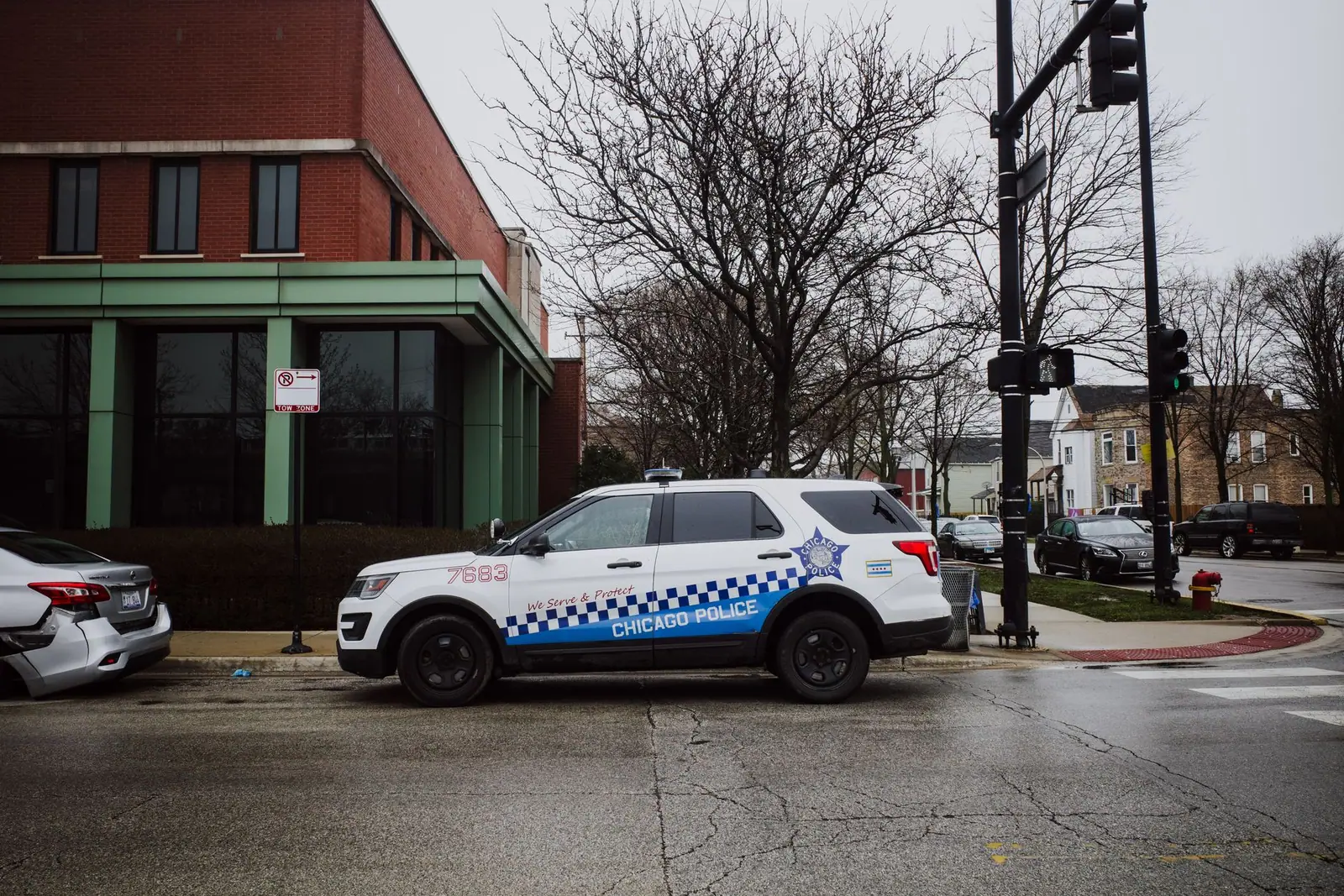
Each false alarm requires roughly 20 minutes of police time, usually for two officers. Multiply that by a city’s alarm volume and it becomes one of the largest categories of call for service. The same guidance notes that nationwide, false alarms account for somewhere between 10 and 25 percent of all calls to police.
So cities do three things, usually in combination:
- Permits. An annual registration for each monitored alarm, tied to the address, with a modest fee.
- Escalating fines. The first false alarm in a year may be free or warned, the second cheap, and the fifth expensive.
- Suspension. After a threshold, some cities stop dispatching to that address until the permit is reinstated.
- Verified response. In some jurisdictions, no police dispatch at all until somebody, a guard or a camera, confirms a break-in.
Find your own city’s rules before you buy
The ordinance is public and it takes five minutes. Search your city or county name with “alarm permit ordinance” and read for four things:
- Whether a permit is required, what it costs and how often it renews.
- The fine schedule and how the count resets, usually per calendar year.
- Whether repeated false alarms lead to suspension of response.
- Whether the jurisdiction requires verified response.
That last point changes what you should buy. In a verified response city, a system with no camera and no on-site guard service will not produce a police visit no matter how loudly it sounds.
The five causes worth fixing
Most false alarms come from the same short list, and most of it costs nothing.
- User error. Wrong code, wrong zone, forgetting somebody is arriving early. Fix it by keeping the contact list current and by making sure everyone who has a key has a code and knows the passphrase.
- Doors and windows that do not close properly. A door that has dropped on its hinges lets a contact drift apart. Adjust the door, not the sensitivity.
- Pets. A motion detector at knee height and a cat are incompatible. Use pet-immune detectors, or reposition so the animal cannot cross the beam.
- Loose or moving objects. Balloons, hanging plants, curtains over a vent, a fan on a timer. Walk each room and look at what moves when the heating comes on.
- Low batteries and old sensors. Wireless sensors report low battery long before they misbehave. Do not ignore the notification for three weeks.
If your system has one, use entry delay and exit delay sensibly rather than turning zones off. Disabling a zone to stop nuisance alarms is how households end up with an alarm that protects the spare bedroom and nothing else.
What to do when you cause one
- Call the monitoring company immediately with your passcode and cancel the dispatch. Many cities do not count an alarm that was cancelled before officers arrived.
- If police arrive, meet them outside and explain. Do not hide from the situation: the officers’ report is what generates the fine.
- Keep the notice. If the same sensor causes repeated alarms, you want the dates when you ask the installer to fix it.
- Appeal when you have grounds. Most ordinances allow an appeal, and a documented equipment fault or a cancelled dispatch is usually grounds.
The honest summary
An alarm is still useful. The same federal guidance notes that alarms are among the most effective burglary deterrence measures, and that burglars generally avoid alarmed premises because easier targets are available. But the system only works as advertised if it does not cry wolf, and the cost of crying wolf is now carried by you rather than by the city.
Two habits protect you: fix the physical causes rather than disabling zones, and read the ordinance before the letter arrives.
Related reading: Does an Alarm Really Lower Your Insurance? and Monitored or Self-Monitored, Honestly Compared.
Questions people ask
How much is a false alarm fine?
It is set by your city, usually on an escalating scale that resets each calendar year, and it is typically larger if the alarm is not registered. The schedule is in your local alarm ordinance, which is public.
Why do police charge for false alarms?
Because the volume is enormous and the calls are nearly all false. Federal policing guidance puts the share of false alarm calls at 94 to 98 percent, each taking about 20 minutes of police time and usually two officers.
What is verified response?
A policy in which the monitoring company must confirm a break-in, visually on site or by camera, before police will be dispatched. It is used in some jurisdictions to cut false dispatches, and it changes what equipment is worth buying there.
What causes most false alarms?
People and doors, not electronics: wrong codes, unexpected arrivals, doors that no longer close squarely, pets crossing motion detectors, moving objects such as balloons or curtains, and sensors with flat batteries.
Where these figures come from
- False Burglar Alarms, 2nd Edition, Problem-Oriented Guides for Police No. 5 US Department of Justice, Office of Community Oriented Policing Services · portal.cops.usdoj.gov
- Criminal Victimization, 2024 Bureau of Justice Statistics · bjs.ojp.gov
Figures last checked September 2026.