On this page
The honest answer to whether alarms deter burglars is yes, with a caveat that explains everything else about home security: deterrence mostly works by moving the problem next door.
The Department of Justice’s problem-oriented policing guide on false burglar alarms reviews the evidence and states it plainly. Studies from the United States and the United Kingdom have shown burglar alarms to be among the most effective burglary-deterrence measures, and, in the guide’s words, for the most part burglars avoid alarmed premises because easier choices are usually available.
Key figures
- 8.2 BJS burglaries per 1,000 households in 2024
- 0.71 percent Households experiencing burglary in 2024, BJS
The thing that works better than any product
The same guidance is blunt about the ranking: occupancy, or signs of occupancy, is the biggest deterrent. After that it lists closed-circuit television, window bars, barking dogs, nosy neighbours and motion-activated lights as also effective.
Read that list again and notice how much of it is free or nearly so:
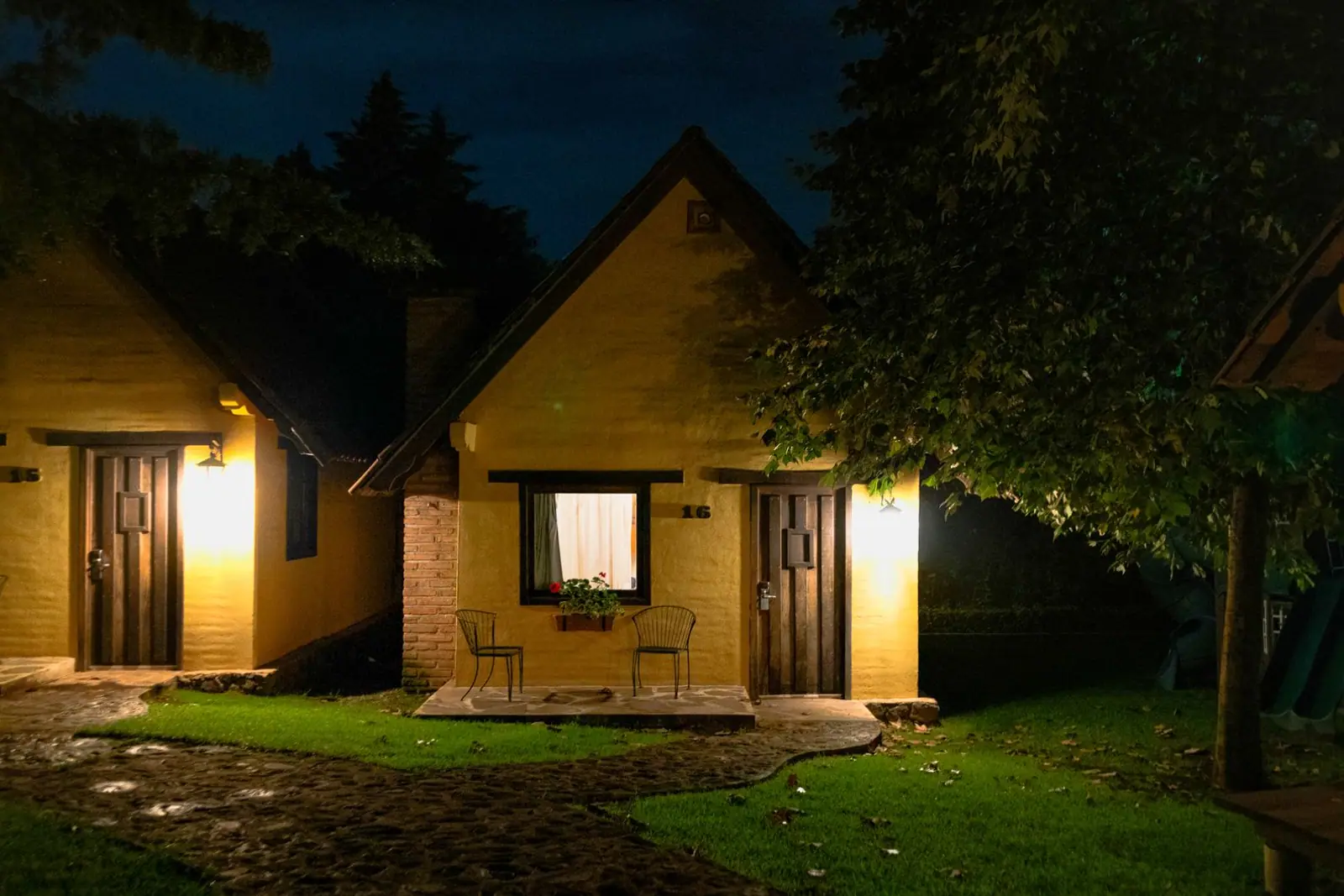
- A house that looks lived in: lights on timers that vary, a car in the drive, post collected, bins put out and brought in.
- A neighbour who knows when you are away and will look.
- Lighting that comes on when somebody approaches, rather than floodlights that burn all night and simply illuminate the path.
- A dog, for the households that already have one. Nobody should acquire a dog as a security device.
None of that requires a contract.
How big is the risk, really
Deterrence is worth buying in proportion to the risk, and the federal numbers have changed enormously in twenty years.
The National Crime Victimization Survey counted an average of 3.7 million household burglaries a year between 2003 and 2007. For 2024 it counted about 1.1 million, a rate of 8.2 per 1,000 households, with roughly 0.71 percent of households experiencing one.
Definitions shifted slightly between those reports, but no definition change accounts for a fall of that size.
- 20209.5
- 20218.8
- 202210.1
- 20239.0
- 20248.2
Bureau of Justice Statistics, Criminal Victimization, 2024. Rates are for burglary only, excluding trespassing.
The part that changes how you think about it
The older BJS study looked at what happens during burglaries, and two findings are worth holding on to.
A household member was present in about 28 percent of burglaries, and in 7 percent of all household burglaries somebody experienced a violent victimisation.
When violence did occur with a resident at home, the offender was known to the victim in 65 percent of cases and a stranger in 28 percent.
That is the argument for deterrence rather than confrontation. The purpose of the lights, the alarm and the visible camera is to make somebody choose a different house before anyone is in the same room as anyone else. It is also a reminder that a meaningful share of these events involve someone the household already knows, which no amount of hardware addresses.
Do not turn your house into the most obviously alarmed property on a street of unalarmed ones and then leave the side gate open. Deterrence works at the level of the whole approach: a locked gate, a lit path, a door that visibly resists force and a sign that the house is occupied.
What to spend on first, in order
- Make the house look occupied. Timers that vary, a neighbour who collects the post, no visible pile of deliveries.
- Light the approaches with motion-activated fittings at the front, the back and any side path.
- Fix the doors and the frames. Deterrence fails at the point where somebody decides to try, and that is where the door either holds or does not.
- Add a visible camera at the front and the back. Its deterrent value is separate from its evidential value.
- Then decide about an alarm, knowing what it adds and what it costs every month.
What does not deter
- A sticker for a system you do not have. Burglars are not a national audience; they are local and often young, and the bluff is cheap to call.
- Floodlights that stay on all night, which simply give better light to work by.
- Hidden cameras, in deterrence terms. Hidden cameras produce evidence. Visible cameras change behaviour.
- Social media posts about where you are this week, which are the modern version of a pile of uncollected post.
Related reading: An Alarm Monitoring Switch Needs a Complete Transfer and Does an Alarm Really Lower Your Insurance?.
Questions people ask
Do burglar alarms actually work?
Federal policing guidance finds alarms are among the most effective deterrence measures, largely because burglars avoid alarmed premises when easier targets are nearby. Occupancy, cameras, window bars, dogs, attentive neighbours and motion-activated lights are listed as effective too.
What deters burglars the most?
Signs that somebody is home. The Department of Justice guidance describes occupancy, or the appearance of it, as the biggest deterrent, ahead of any particular device.
Is burglary getting worse?
No. The federal victimisation survey counted about 1.1 million household burglaries in 2024, a rate of 8.2 per 1,000 households, compared with an average of 3.7 million a year in the mid-2000s.
How often is someone home during a burglary?
In about 28 percent of household burglaries in the BJS study covering 2003 to 2007, a household member was present, and 7 percent of all household burglaries involved some form of violent victimisation. That is the case for deterrence rather than confrontation.
Where these figures come from
- False Burglar Alarms, 2nd Edition, Problem-Oriented Guides for Police No. 5 US Department of Justice, Office of Community Oriented Policing Services · portal.cops.usdoj.gov
- Victimization During Household Burglary Bureau of Justice Statistics · bjs.ojp.gov
- Criminal Victimization, 2024 Bureau of Justice Statistics · bjs.ojp.gov
Figures last checked September 2026.