On this page
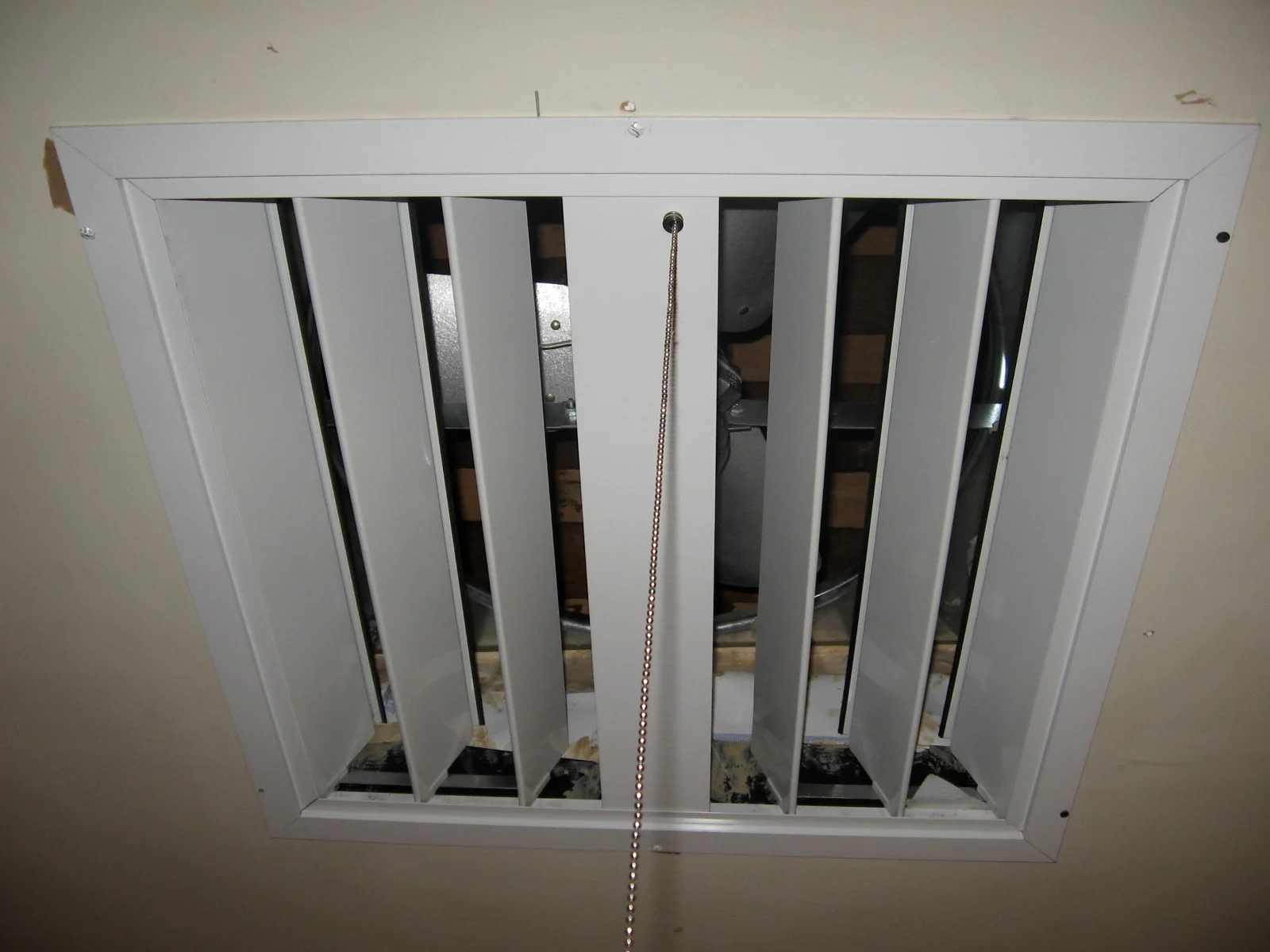
A whole-house fan draws cooler outdoor air through open windows and exhausts warmer indoor air through the attic or its designed discharge route. It can reduce air-conditioning use when outdoor air is cooler and conditions permit ventilation. It does not provide refrigeration, remove heat independently of outdoor conditions or automatically lower humidity.
The decision combines equipment cost, installation and the number of hours when outside air can replace mechanical cooling. Manufacturer prices and specifications below were checked in October 2026. The operating and payback examples are assumptions to recalculate for a particular house, rather than a promise that every fan saves the same amount.
Key figures
- $499 AC Infinity CLOUDWAY S12 fan, equipment only
- $549 AC Infinity CLOUDWAY T12 fan, equipment only
- $1,149 Example: CLOUDWAY T12 with installation labor
Fan prices exclude much of the installed project
AC Infinity’s US-dollar product pages list the twelve-inch CLOUDWAY S12 with a wireless speed controller at $499 and the T12 with a temperature controller at $549. The controller difference changes features and price; it does not establish that the more expensive controller saves another fixed percentage of energy.
| Published equipment figure | CLOUDWAY S12 | CLOUDWAY T12 |
|---|---|---|
| US-dollar product price | $499 | $549 |
| Controller type named on page | Wireless speed controller | Temperature controller |
| Installation, electrical and attic work | Priced separately for the project | Priced separately for the project |
| T12 published airflow | Compare selected model specification | 1,250 CFM |
| T12 power specification | Compare selected model specification | 139 W average; 244 W maximum |
Source note: AC Infinity’s own product pages, with the USD currency selected, checked in October 2026. The airflow and power values in the table belong to the T12 specification. Product prices are not installed-home quotes, and power varies with operation.
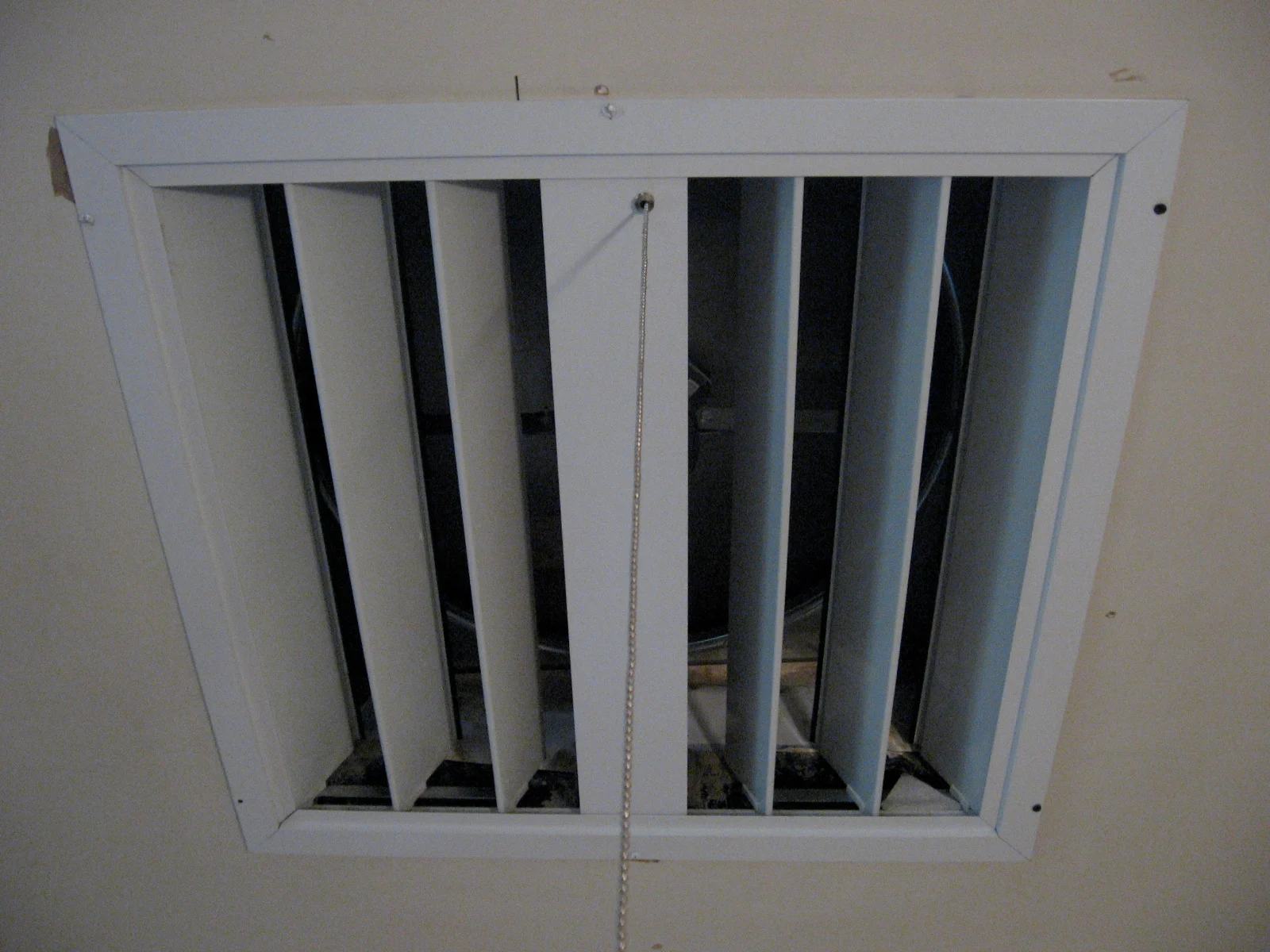
The T12 page includes a fan system with ducting, clamps and a ceiling grille assembly. Check the supplied parts and dimensions against the house before ordering. A package containing ducting still leaves labor, ceiling access and any required electrical or attic-ventilation work to be assessed.
A hypothetical $600 installation added to the $549 fan gives a $1,149 project. If an installer instead quotes $1,000 for the work, the total becomes $1,549. Those installation charges are examples, not published national averages. An itemized quote should say what happens if framing, access or discharge ventilation requires extra work.
Cooler outdoor air determines the hours of benefit
DOE’s Energy Saver guidance describes ventilation cooling as dependent on outdoor conditions and adequate airflow. A fan bringing in hot outdoor air cannot deliver the same benefit as one operating during a cool evening. Humid, smoky or otherwise poor outdoor air may also make opening the house undesirable.
Consider when the house is occupied and when outdoor temperature falls. A climate with many cooler, dry nights offers more opportunities than one with warm humid nights. A homeowner who keeps windows closed for noise, security or air-quality reasons may not use the system as often as a simple payback model assumes.
A whole-house fan is also different from an attic fan. The former moves air through occupied rooms using planned openings; the latter ventilates attic space. Do not apply the same savings calculation to equipment that moves a different air path.
The summer thermostat guide explains how cooling schedules affect the energy baseline. The air-leak guide covers unwanted leakage, which is different from deliberately opening windows while using a ventilation system.
Wattage multiplied by operating time gives fan energy
Using the T12’s published average power figure as a modeling input, 139 watts equals 0.139 kilowatts. Four hours a night over 120 nights equals 480 operating hours. Multiplying gives 66.72 kilowatt-hours, worth about $13.34 at an assumed twenty cents per kilowatt-hour.
Using maximum draw instead, 244 watts for the same hours gives 117.12 kilowatt-hours and about $23.42. Neither scenario claims that the fan always runs at that value. Actual speed, controls and operating time determine its consumption; measure or estimate the chosen operating pattern.
The published airflow is 1,250 cubic feet per minute. For a hypothetical sixteen-thousand-cubic-foot home, that nominal airflow corresponds to about 4.7 air changes per hour: airflow multiplied by sixty and divided by volume. Delivered airflow and effective cooling also depend on openings, restrictions and the installation.
Do not turn the air-change calculation into a universal sizing requirement. A house’s rooms, climate and discharge arrangement affect system selection. Ask the installer to explain the sizing method and the ventilation path rather than choosing a fan solely by floor area or its largest advertised CFM value.
Payback comes from avoided cooling minus fan consumption
Suppose the installation avoids a hypothetical six hundred kilowatt-hours of air-conditioning electricity annually. At twenty cents per kilowatt-hour, the gross avoided cost is $120. Subtract the modeled $13.34 fan cost to obtain about $106.66 in annual net energy savings.
At a $1,149 installed cost, simple payback is about 10.8 years. If only three hundred cooling kilowatt-hours are avoided, gross savings fall to $60 and net savings to about $46.66. Payback then lengthens to about 24.6 years. This difference is why operating opportunities matter more than a broad claim about efficient fan motors.
A manufacturer statement comparing a fan’s power with an air conditioner does not establish the percentage reduction in the whole annual bill. The fan may replace only some cooling hours, and other household loads continue. Include the fan’s own consumption and avoid counting hours when outdoor conditions would have prevented its use.
The energy-upgrade comparison helps evaluate this purchase alongside insulation or other cooling-load changes. Compare each option against the same household baseline, since overlapping improvements cannot each claim all the original cooling energy.
Ventilation and installation conditions belong in the quote
A complete air path requires inlet openings and a discharge route capable of handling the airflow. Blocking either can reduce performance. Confirm the required window opening arrangement, attic exhaust provision and the manufacturer’s installation details before accepting a fan-only quote.
Have the installer evaluate ventilation, electrical work and possible backdrafting around combustion appliances before installation. Follow the selected manufacturer’s operating instructions. A powerful exhaust fan is not safe merely because the motor uses less electricity than an air conditioner.
Ask how the ceiling opening is insulated and sealed when the system is off, particularly during heating weather. Include access, noise, maintenance and controls in the purchase decision. A fan is more likely to earn its cost when it fits the house and household routine, rather than relying on an assumed number of usable cool nights.
Questions people ask
What do the cited twelve-inch fan packages cost?
AC Infinity lists the S12 at $499 and T12 at $549 in USD, checked in October 2026. Installation and project-specific electrical or attic work are separate.
How much electricity is in the 139-watt example?
At 4 hours on 120 nights, 139 W corresponds to 66.72 kWh. At an assumed $0.20 per kWh, the cost is about $13.34. Operation at other speeds or durations changes the result.
Does a whole-house fan replace air conditioning in every climate?
No. It relies on outdoor air and planned ventilation openings. Hot, humid, smoky or otherwise unsuitable outdoor conditions can limit when it can replace mechanical cooling.
What produces the 10.8-year payback example?
A hypothetical $1,149 installation avoids 600 cooling kWh annually and uses 66.72 fan kWh. At $0.20 per kWh, net savings are about $106.66 per year. These are modeling assumptions, not promised savings.
Where these figures come from
- CLOUDWAY T12: USD Price, Airflow and Power Specification AC Infinity · acinfinity.com
- CLOUDWAY S12: USD Price and Wireless Controller AC Infinity · acinfinity.com
- Energy Saver Guide: Ventilation Cooling US Department of Energy · energy.gov
Figures last checked October 2026.