On this page
Attic insulation is the one home upgrade that gets recommended to everybody, and the recommendation is usually right. What gets skipped is the diagnosis. Adding depth on top of a problem buries the problem rather than fixing it.
1. The snow melts in stripes
On a cold morning after snowfall, look at your roof from the street. An uninsulated or badly insulated roof loses heat unevenly, and the snow melts in lines that trace the rafters or in patches over the worst spots.
A well-insulated roof holds snow evenly, because very little heat is escaping to melt it. This costs nothing and takes ten seconds. It is a first clue, not a verdict: sun, shade and attic ventilation also change how snow melts, and an energy audit with a thermal camera shows where the heat actually escapes.
2. Some rooms never get comfortable
A room over a garage, a bedroom at the end of the house, an upstairs that runs hot in summer. Localised discomfort often points to a gap in the insulation, typically where a contractor could not reach easily during the original install, although air leaks, ductwork and windows can cause it too.
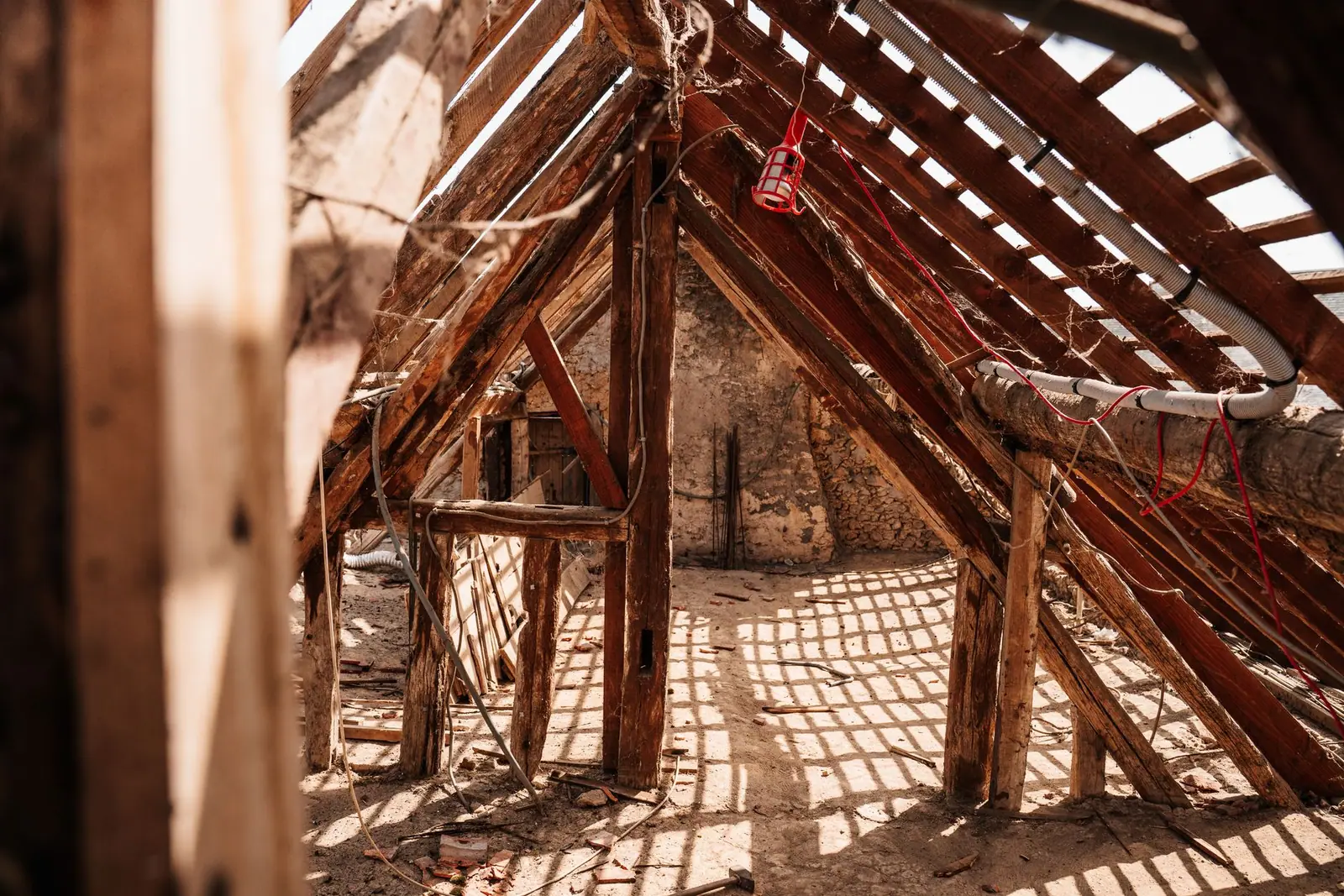
3. You can see the joists
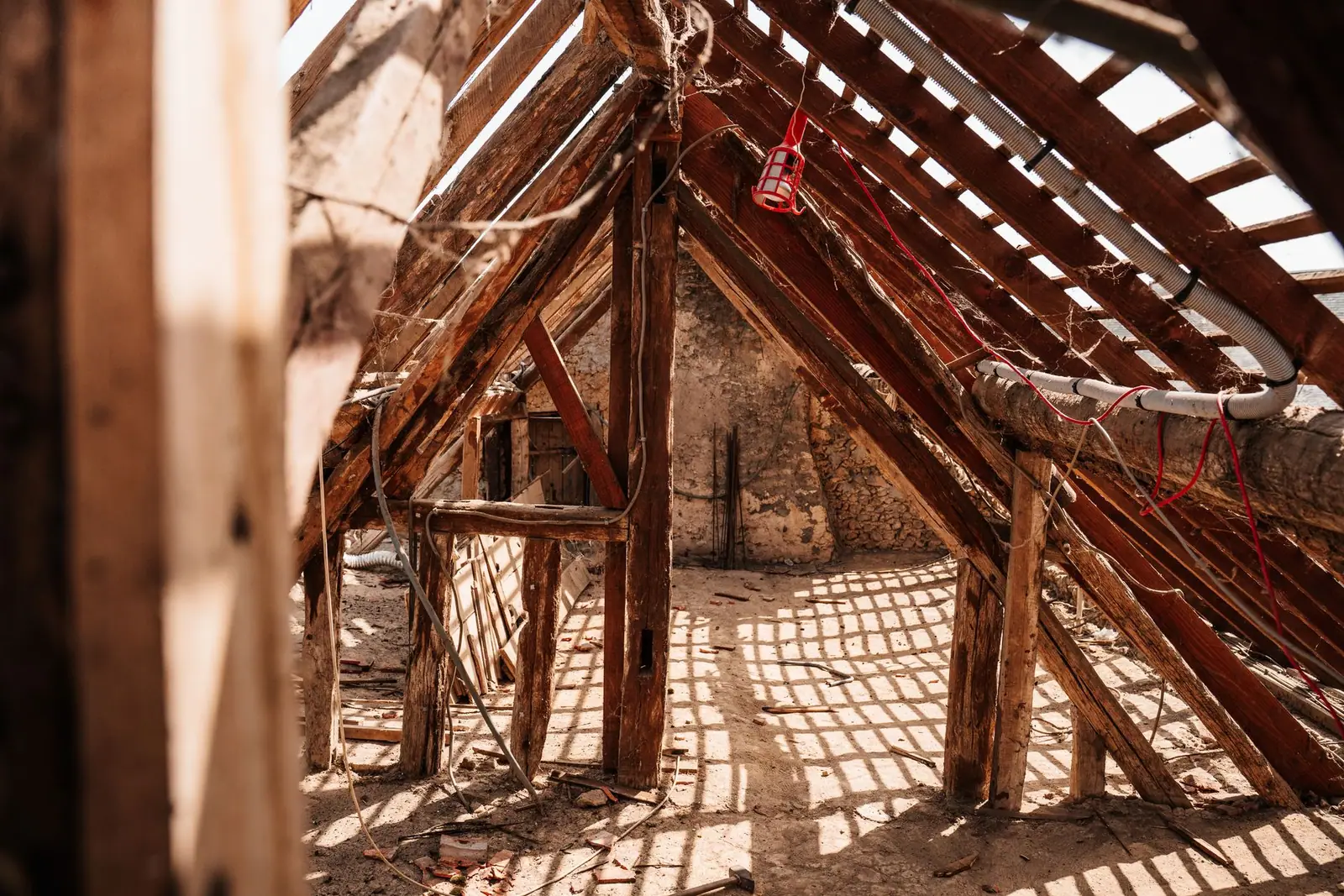
Look at the attic floor. If the tops of the wooden joists are visible above the insulation, you have roughly the depth of a joist, which in most older houses is well below current recommendations.
This is the easiest measurement in the house and it does not require going into the attic properly. Open the hatch, shine a light across, and look at whether the surface is flat or ribbed.
4. It is dark, matted or damp
Insulation that has gone grey or black in patches is filtering air. That discolouration marks where air is moving through it, which means it is not working as insulation at those spots, because insulation works by holding air still.
Damp insulation is a different and more urgent problem. Wet insulation does not insulate, and whatever is wetting it is also wetting your structure. Find the source before you touch the insulation.
If insulation is wet, adding more on top hides a leak and keeps the framing damp. Track the water first. Roof, flashing, a bathroom fan venting into the attic, or condensation from poor ventilation are the usual four.
5. There is no gap at the eaves
Insulation pushed hard into the eaves blocks the ventilation path that keeps the roof deck dry. That causes condensation in winter and heat build-up in summer, and it shortens the life of the roof above it.
Proper installations use baffles to hold a channel open. If yours has insulation stuffed to the edge, that is worth fixing regardless of depth.
6. Wiring, downlights and chimneys are buried
Recessed lights that are not rated for contact with insulation need clearance. Chimneys and flues need a fire-rated gap. If someone blew insulation across the whole attic without addressing these, you have a safety issue as well as an energy one.
The order that actually works
- Fix any water problem.
- Seal the air leaks: the hatch, around wiring and pipe penetrations, the tops of interior walls, recessed light housings.
- Make sure the eaves ventilation path is open.
- Only then add depth.
Doing step four first is common, feels productive, and delivers a fraction of what it should.
Related reading: Attic Insulation Costs: Area, R-Value and Extra Work and Where Your House Leaks Air and How to Find It.
Questions people ask
Can I add new insulation on top of old?
Usually yes, provided the old material is dry and not contaminated. Do not lay a vapour barrier between the layers, because trapping moisture between them causes exactly the problem you are trying to avoid.
How do I know how much insulation I should have?
Requirements depend on your climate zone and are set locally. Your building department or utility will publish the current recommendation for your area, and utility programmes often subsidise reaching it.
Is air sealing really more important than adding depth?
For most older houses, yes. Insulation slows heat moving through a surface. It does nothing about air moving through a gap, and gaps move a surprising amount of heat.
Should the attic be warm or cold?
In a conventional design, cold. The insulation belongs at the ceiling and the attic above it should be close to outdoor temperature, well ventilated and dry.
Where these figures come from
- Energy Saver, the Department of Energy home efficiency guide US Department of Energy · energy.gov
- Use of energy in homes US Energy Information Administration · eia.gov
Figures last checked September 2026.