On this page
Ask ten people what uses the most electricity in a house and most will say something small and visible. The television. The lights. The phone chargers left plugged in overnight. It is an understandable guess, because those are the things you can see, and it is wrong by an enormous margin.
The power goes to whatever moves heat. Everything else is a rounding error by comparison.
- Heating and coolingabout 31%
- Water heatingabout 13%
- Refrigerationabout 7%
- Clothes dryerabout 5%
- Lightingabout 5%
- TV and electronicsabout 5%
- Cookingabout 4%
- Everything elseabout 30%
Shares of household electricity use, based on the US Energy Information Administration's residential consumption survey. Your own mix shifts with fuel type, climate and the age of your equipment, so treat this as the shape of the problem rather than a measurement of your house.
Key figures
- about 31% Typical US household electricity for heating and cooling
- about 13% Typical US household electricity for water heating
- about 7% Typical US household electricity for refrigeration
Why heating and cooling win by so much
Changing the temperature of a whole house is physically expensive. You are moving heat across an insulated boundary, against a difference the weather keeps restoring. A television draws a small amount of power for a few hours. A heating system draws a large amount for as many hours as the weather demands, and in a cold week that is most of them.
This is also why the same house can have a boring bill in October and an alarming one in January without a single habit changing.

The second place nobody guesses
Water heating sits behind heating and cooling in almost every home, and it has a property that makes it worth attention: it runs all year. Heating is seasonal. Hot water is every single day, in July as much as January.
That makes it the most reliable place to find savings that do not disappear when the weather changes. Insulating the first stretch of hot pipe leaving the tank, lowering the tank temperature a little, and fixing any dripping hot tap are all small, permanent reductions.
The “everything else” problem
Notice that the last bar is large. That category is not standby draw. It is dozens of things that individually look trivial: the well pump, the dehumidifier running in a damp basement, a second refrigerator in the garage, a hot tub, an aquarium heater, a car charging overnight.
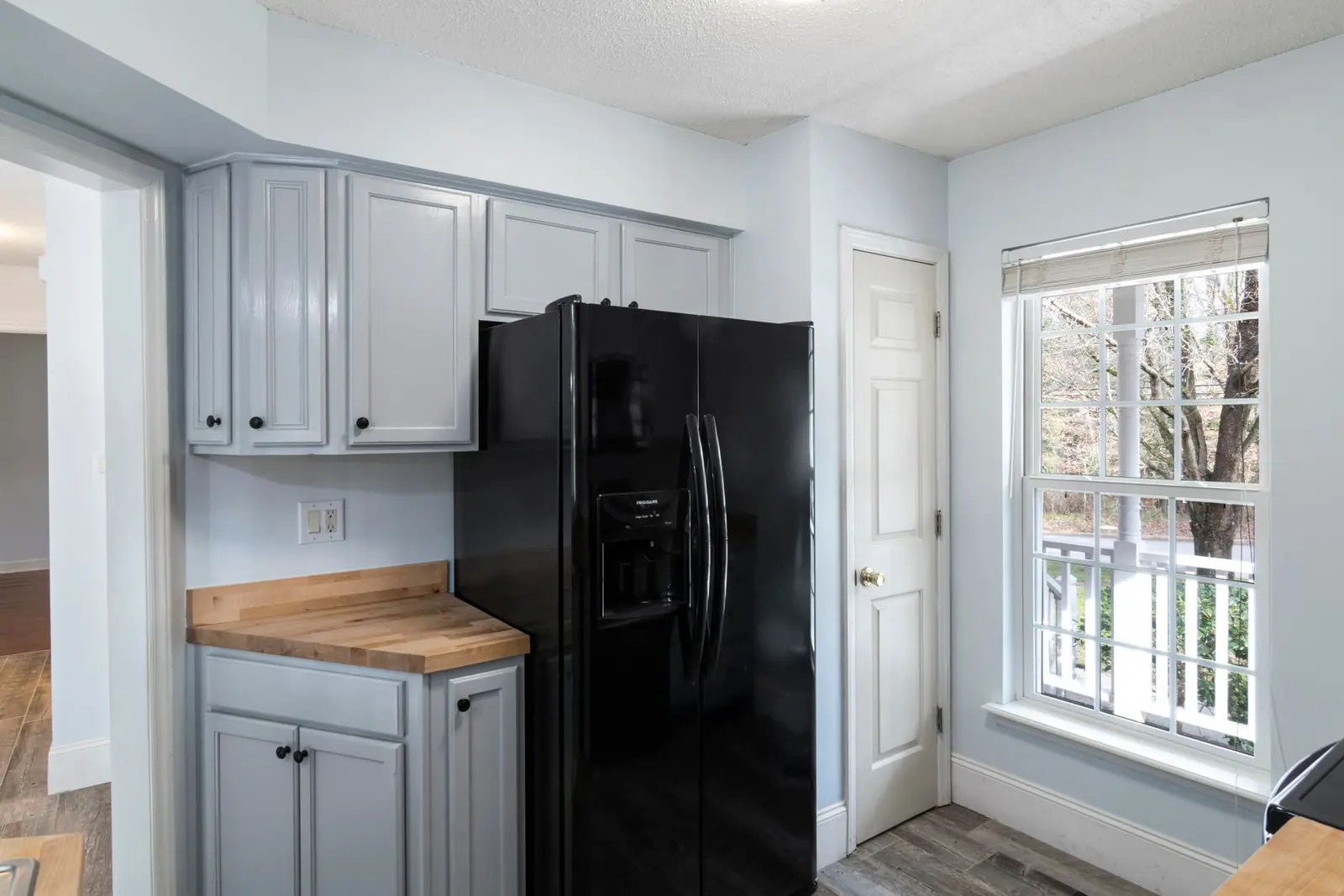
The garage refrigerator deserves a special mention. An old unit sitting in an unheated space, half empty, cycling constantly, can quietly cost more per year than every light in the house combined.
A dehumidifier is essentially a small air conditioner. If yours runs continuously in a basement all summer, it can be among the largest single loads in the house. Fixing the moisture source is cheaper than running the machine forever.
How to find yours instead of guessing
National averages describe a house that does not exist. Yours is specific, and the data to describe it is usually free.
- Ask your utility for interval data. Most smart meters record usage by hour. A flat overnight baseline that suddenly steps up tells you something switched on and stayed on.
- Read your own baseline. Look at usage at three in the morning, when the house is asleep, on a few different nights. Whatever runs then runs most of the day too, so even a small number adds up over a year.
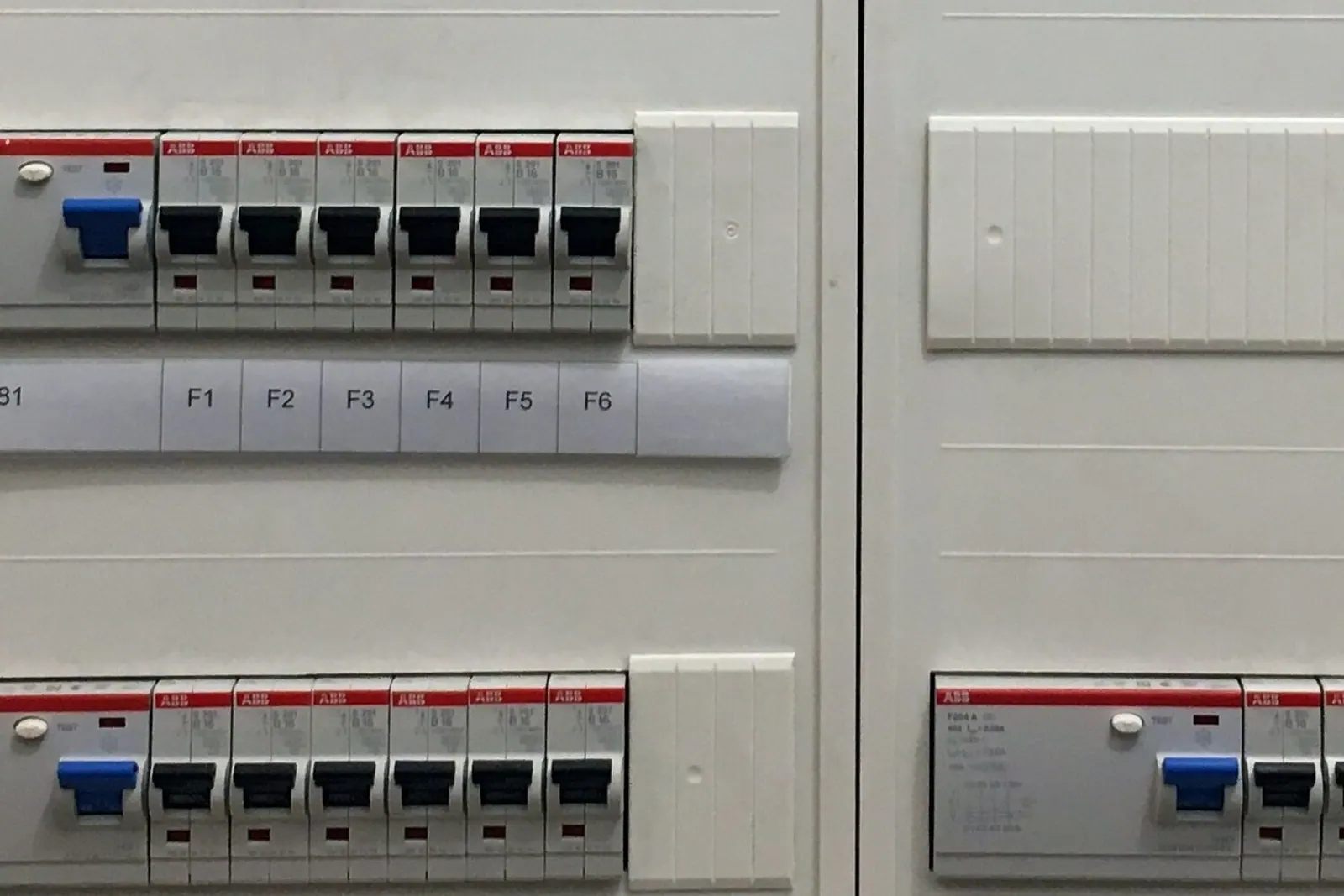
- Turn off one circuit at a time. If the baseline is higher than it should be and nothing obvious explains it, switching circuits off briefly while you watch the meter will find it faster than a plug-in meter. Skip any circuit that feeds medical equipment, a sump pump, or heating in freezing weather.
What to actually do about it
In order of effect, not of effort.
- Deal with heating and cooling. Sealing air leaks, servicing the system, and understanding when backup heat engages.
- Deal with hot water, because it is year-round.
- Retire the second refrigerator, or at least fill it and move it somewhere cooler.
- Find the always-on loads with your baseline number.
- Only then worry about lights and electronics.
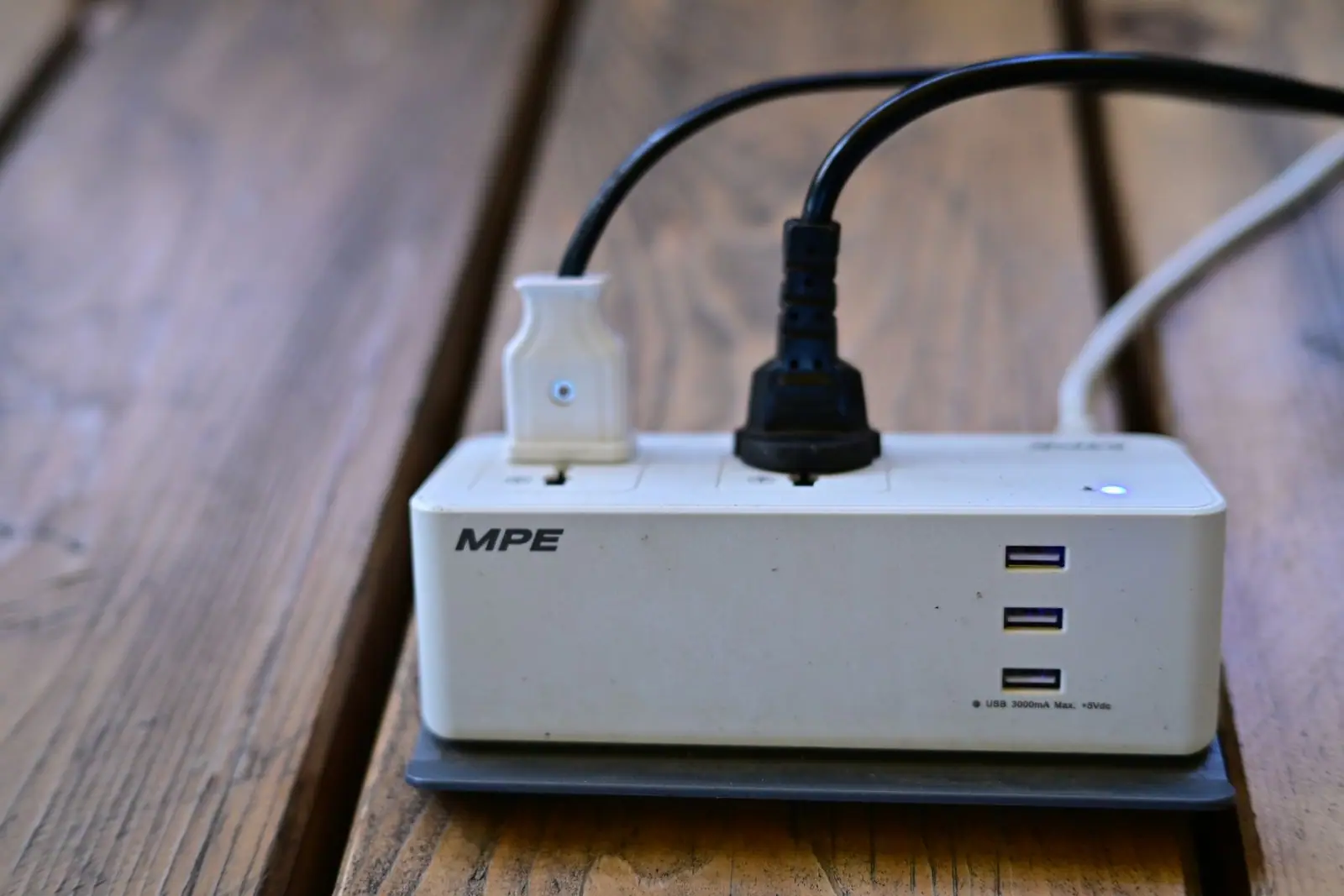
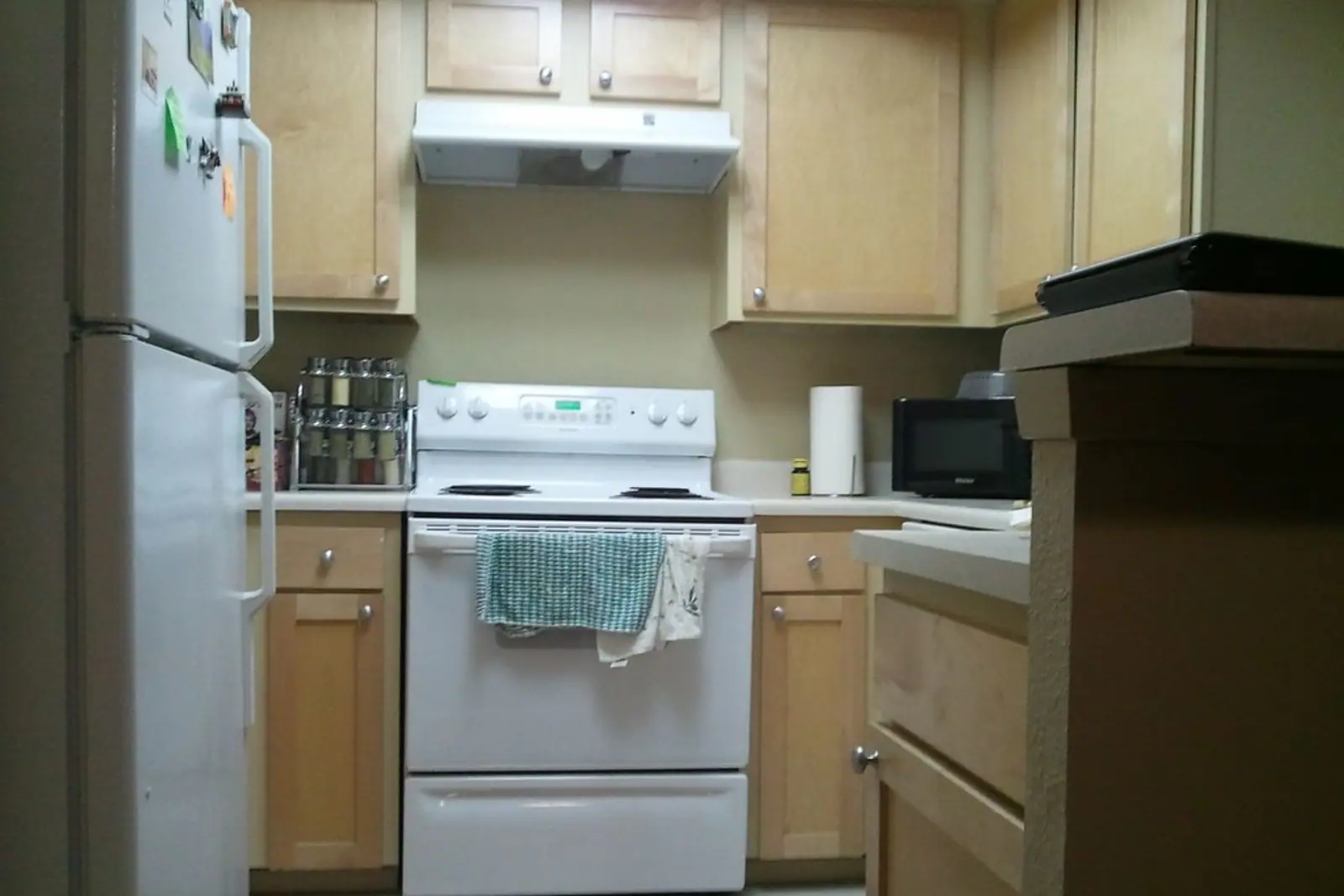
Related reading: What Each Appliance Costs to Run, and How to Work Out Yours and Replacing a Fridge Needs a Net Energy Comparison, plus Is an Advanced Power Strip Worth the Price?.
Questions people ask
Does unplugging chargers actually save money?
A little, and it is real, but it is small. Modern chargers draw a fraction of a watt when idle. Turning off a dozen of them saves far less than a single degree on the thermostat over a winter.
Is it cheaper to leave heating on low all day or turn it off?
For a conventional furnace, turning it down while you are out saves energy. For a heat pump, large setbacks can trigger inefficient backup heat when the system recovers, so smaller adjustments usually work out better.
Why is my bill high when I am away from home?
Because your baseline load does not care whether you are there. Refrigeration, water heating standby, well pumps and dehumidifiers run regardless. An empty house with a high bill points at an always-on load.
Do LED bulbs still matter if lighting is only five percent?
They matter, and they are cheap and permanent, but they will not rescue a bill that doubled. Fix the big loads first and treat lighting as the last few percent.
Where these figures come from
- Electricity use in homes US Energy Information Administration · eia.gov
- Use of energy in homes US Energy Information Administration · eia.gov
- Energy Saver, the Department of Energy home efficiency guide US Department of Energy · energy.gov
Figures last checked September 2026.
Calculator
What does it cost to run?
Enter the appliance and your own rate. The answer is kilowatt hours multiplied by your rate.
A rough guide: real use depends on the settings, the age of the appliance and how hard it works.