On this page
Walk into any garden center in spring and you will find shelves of fertilizer, each promising bigger harvests. Almost nobody buying it knows what their soil already contains.
That is like taking vitamins for a deficiency you have never measured. A soil test fixes the guesswork, and it costs less than most people assume.
Key figures
- $11 to $30 Basic soil test range, postage extra
- $25 UNH standard garden soil test
- 8 to 10 spots Sampling spots for one composite soil test
What it costs and where to send it
Most states run a soil testing lab through their land-grant university. The University of Maryland Extension puts basic soil tests at roughly $11 to $30, plus mailing. The University of New Hampshire, for example, lists its standard garden test at $25. North Carolina tests residents’ samples for free for most of the year, with a small fee in the busy season.
Your state extension office website lists the lab, the fee and the sample bag or box to use. Private labs also exist, usually at a higher price.
How to take a good sample
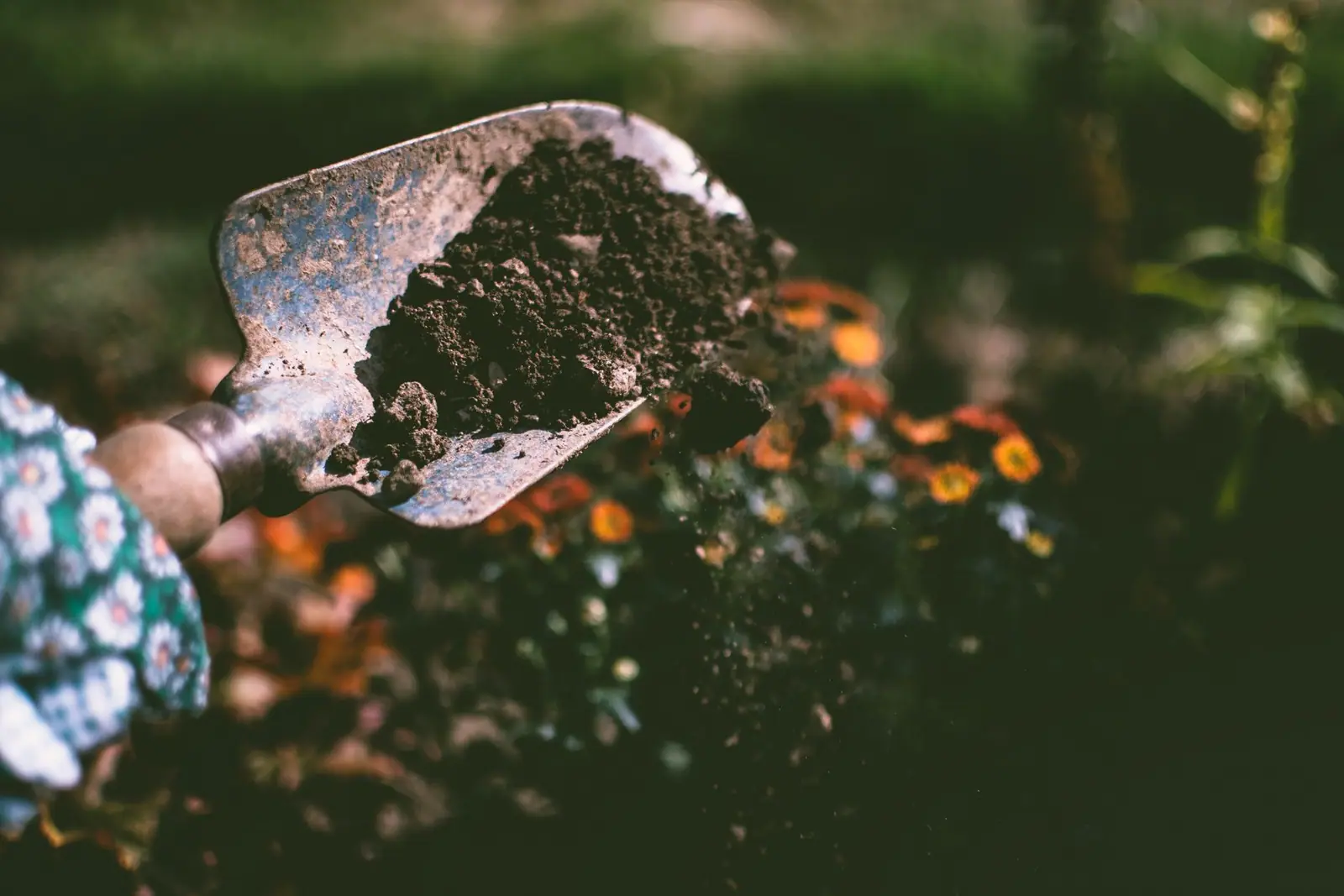
- Use a clean trowel and bucket. Rust or leftover fertilizer skews results.
- Dig to root depth. For a vegetable garden, that is about 6 inches.
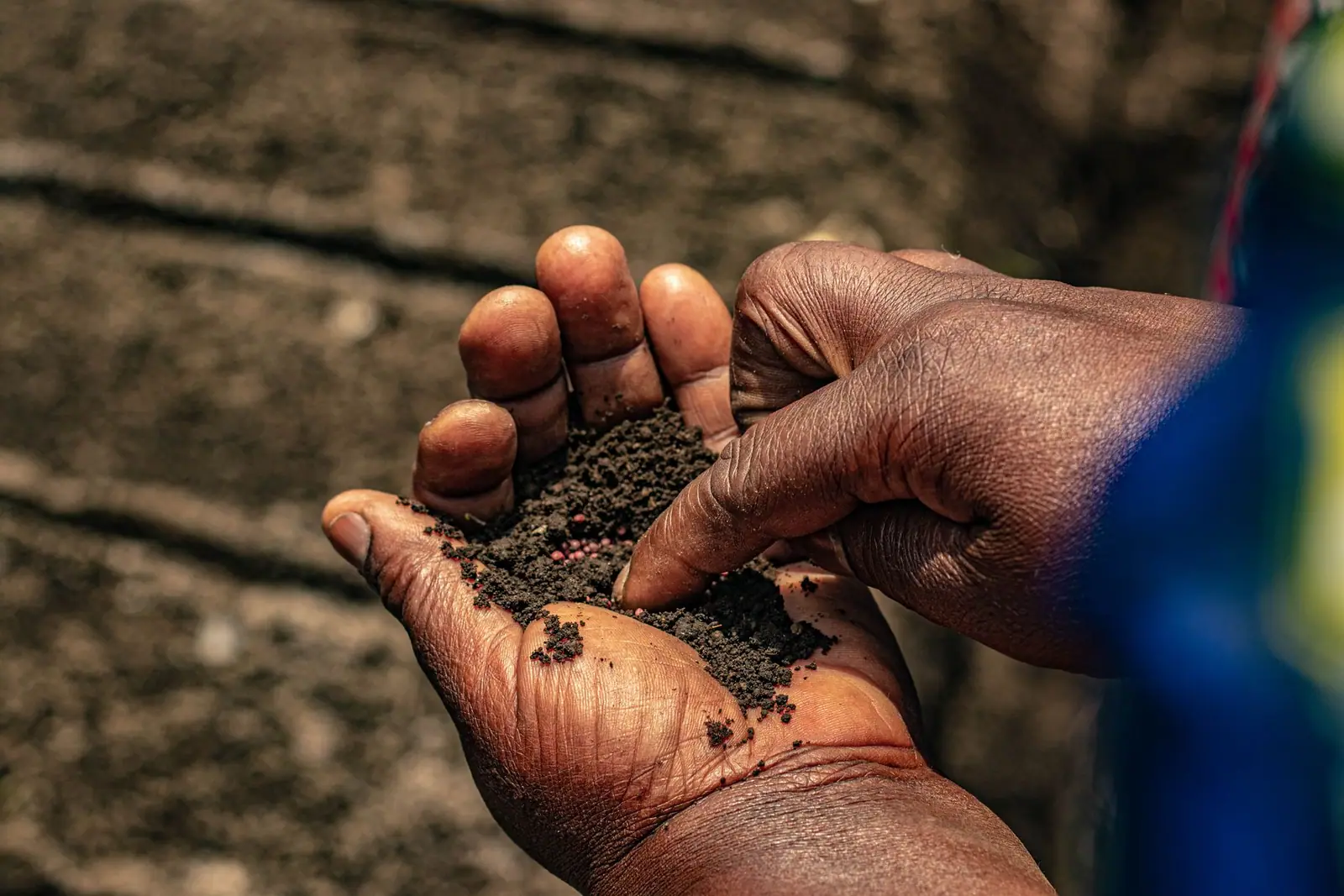
- Collect from 8 to 10 spots across the area, avoiding unusual patches.
- Mix well and let it air dry. Then fill the lab’s bag to the line.
- Label it and note what you plan to grow, so the recommendation fits.
Fall is a good time to sample, because labs are less busy and you have time to adjust pH before spring.
Reading the results
Most basic reports cover:
| Item | Why it matters |
|---|---|
| pH | Controls how available nutrients are. Most vegetables prefer slightly acidic soil. |
| Phosphorus | Often already high in older gardens. |
| Potassium | Important for fruiting crops. |
| Calcium and magnesium | Tells you whether lime or another amendment makes sense. |
| Organic matter (sometimes extra) | A rough guide to soil health and water holding. |
The recommendation section is the valuable part. It tells you how much of which nutrient to add, and often says to add nothing at all.
A test that tells you to skip phosphorus or lime for three years can save more than it cost in the first season, and keeps extra nutrients out of local streams.
When to test again
Every three to five years is enough for most home gardens. Test sooner if you add a lot of manure or compost, change what you grow, or see plants struggling for no reason you can find.
Related reading: Seeds or Transplants: Which Vegetables to Buy as Plants and Blossom End Rot Is a Watering Problem, Not a Soil One.
Questions people ask
Are home soil test kits accurate?
Cheap kits can give a rough pH reading, but lab tests are more reliable and usually include a fertilizer recommendation for your crops.
How long do soil test results take?
Often one to three weeks, longer in spring when labs are busiest. Sampling in fall avoids the rush.
Does a basic soil test check for lead?
Usually not. Many labs offer a heavy metals screen for an added fee, which is worth it for urban gardens or near old painted buildings.
What if my soil pH is too low?
Lime raises pH, but the amount depends on your soil. Follow the rate in your lab report rather than the bag.
Where these figures come from
- Soil Testing and Soil Testing Labs University of Maryland Extension · extension.umd.edu
- Pricing List for all Soil Test Options University of New Hampshire Extension · extension.unh.edu
- Soil Testing NC State Extension · gardening.ces.ncsu.edu
Figures last checked September 2026.