On this page
A packet of 50 seeds costs about the same as one nursery plant. That makes seed look like the obvious choice every time. In practice, some vegetables fail from seed for beginners, and others fail when bought as plants.
The deciding factor is how long the crop takes to mature and how well its roots handle being moved.
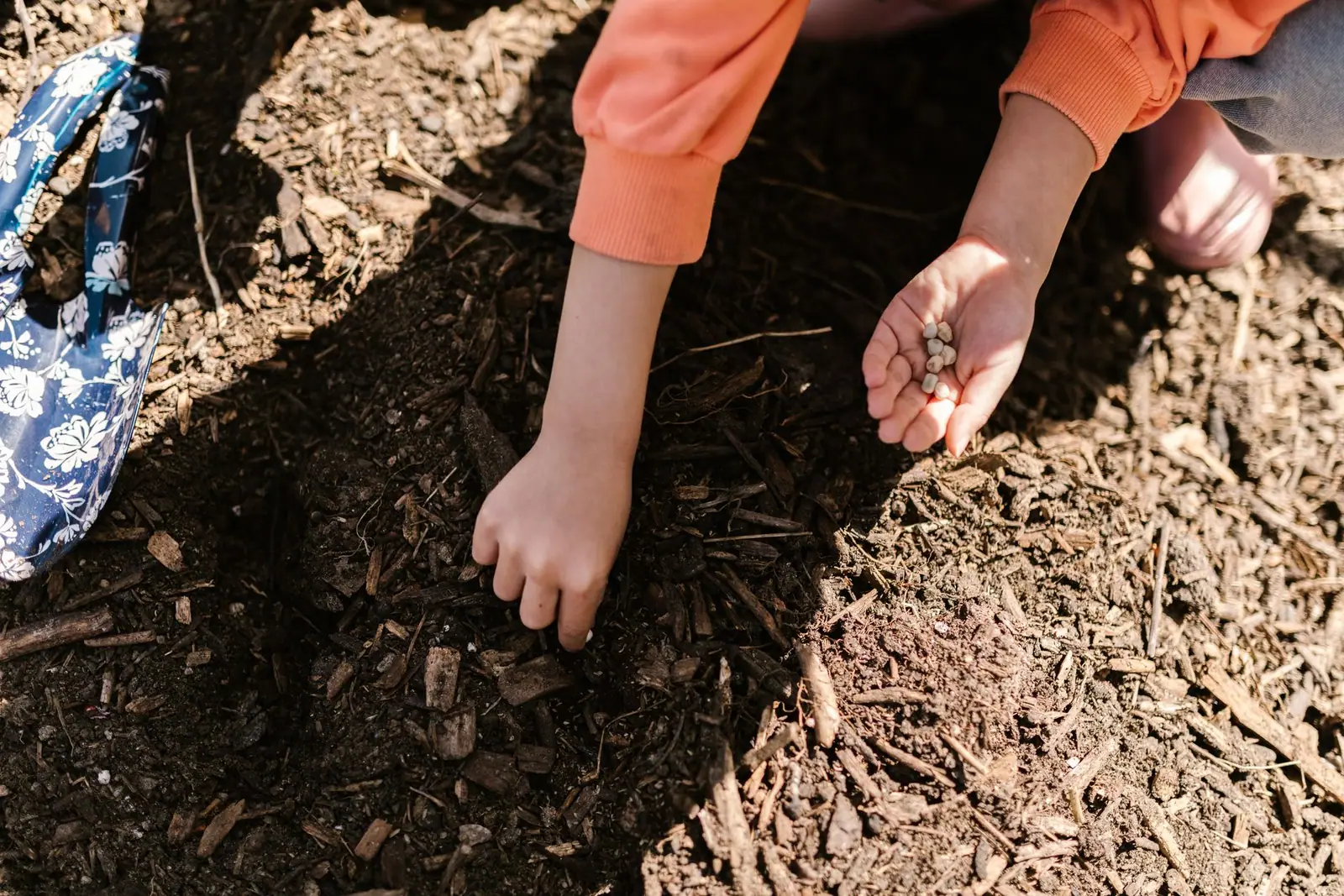
Sow these directly in the garden
- Root crops. Carrots, radishes, beets, turnips and parsnips. Moving them damages the root you want to eat, which is why garden centers rarely sell them as plants.
- Beans and peas. They germinate fast and grow quickly, so a head start gains little.
- Squash, cucumbers and melons in most areas, once the soil is warm. They resent root disturbance.
- Salad greens and spinach. Cheap, quick, and best sown a little at a time.
- Corn. It needs to be planted in blocks, which is easier from seed.
Buy or start these as plants
- Tomatoes. Usually started indoors six to eight weeks before the last frost.
- Peppers and eggplant. Even slower, and they want warm soil to germinate. Eight to ten weeks is common.
- Broccoli, cabbage and cauliflower. Transplants let you get a crop in before summer heat.
- Onions from sets or starts, which are far easier than seed for most beginners.
- Perennial herbs like rosemary and thyme, which are slow from seed.
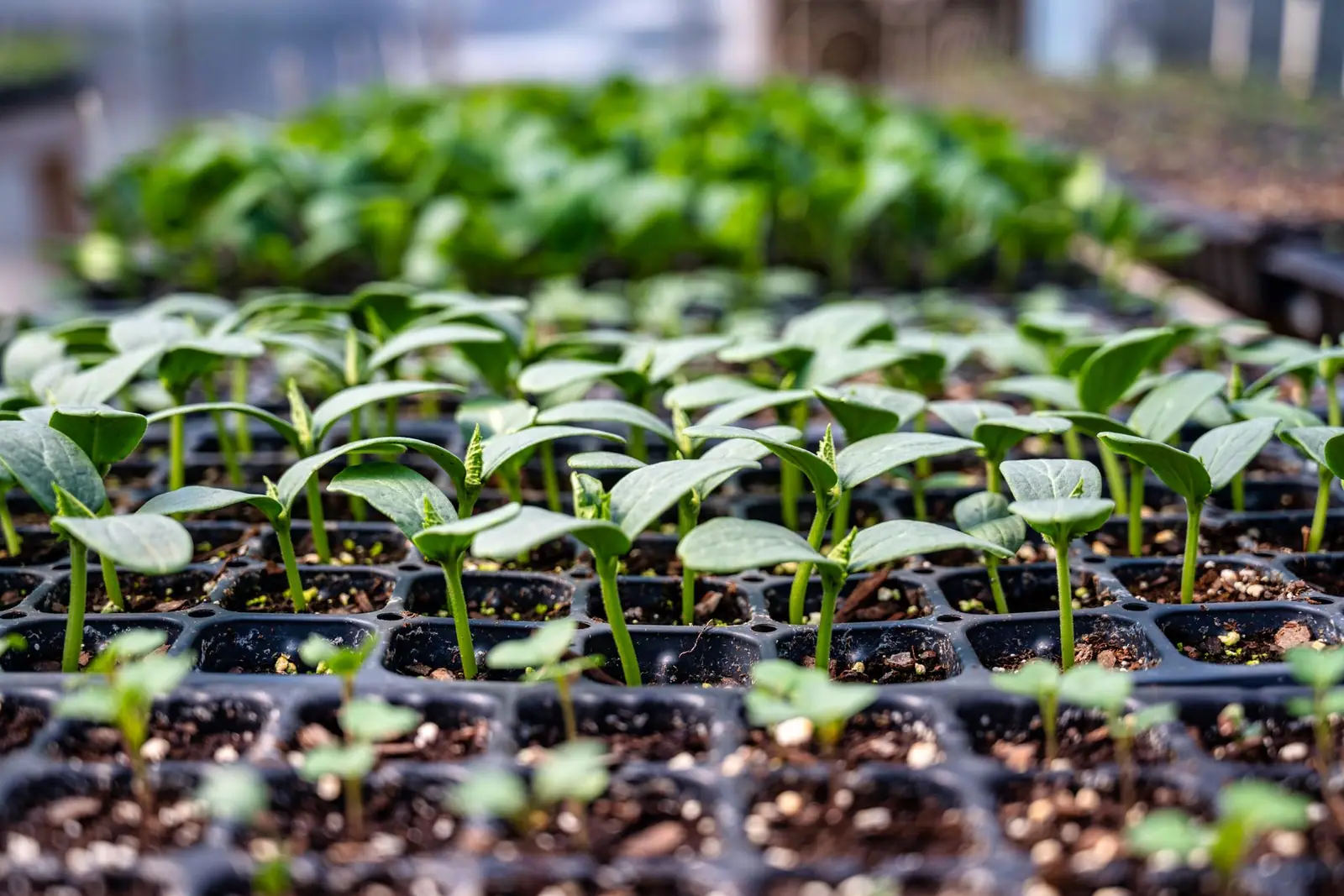
Is starting your own seedlings worth it?
It can be, if you want unusual varieties or many plants. It requires:
- Strong light. A sunny windowsill is rarely enough. Most people end up buying a grow light.
- Warmth for germination, especially for peppers.
- Daily attention for watering and turning.
- Hardening off, a week or so of gradually exposing seedlings to outdoor conditions before planting.
If you need only four tomato plants and two peppers, buying them is usually cheaper than the lights and trays.
If the vegetable is a root, a pod or a leaf, sow it. If it is a fruit that needs a long hot summer, buy it or start it early indoors.
Related reading: Raised Beds or In-Ground Rows: Which Garden to Build and Why a $20 Soil Test Beats Any Bag of Fertilizer.
Questions people ask
Can I direct sow tomatoes?
In long, warm climates it is possible, but in most of the US the season is too short. Transplants give the plant the weeks it needs to ripen fruit.
When should I start seeds indoors?
Count back from your average last frost date. Tomatoes are typically six to eight weeks ahead and peppers eight to ten.
What does hardening off mean?
Gradually exposing indoor seedlings to sun, wind and cooler nights over about a week, so they do not go into shock when planted out.
Why are my seedlings tall and floppy?
They are stretching for light. Move them closer to a stronger light source and keep them a little cooler.
Where these figures come from
- Starting Your Summer Vegetable Garden: Seeds or Transplants? Penn State Extension · extension.psu.edu
- When to Expect Your Last Spring Freeze NOAA National Centers for Environmental Information · ncei.noaa.gov
Figures last checked September 2026.