On this page
Most American houses put the full bathroom upstairs and, at best, a small toilet below. For an older person who has become unsteady, that single fact can end their time in the house, and it is the situation families most often postpone deciding about.
There are four honest options.
Option one: a stair lift
The fastest answer, and for many people the right one.
Works when: the person can walk on the level, can transfer on and off a seat, and the difficulty is specifically the stairs.
Does not work when: transferring is itself the problem, or the person is unsafe walking at the top once they arrive, or the staircase is too narrow or too curved for a sensible installation.
Watch for: the cost difference between a straight and a curved staircase, which is large; whether the lift blocks the stairs for everybody else; and what happens in a power cut, since most run on batteries that charge at the parking point.
Option two: a downstairs bathroom
The biggest project, and the one that most often lets somebody stay.
Where it goes: an existing half-bath extended, a closet or pantry converted, a corner of a dining room taken, or a small addition. Plumbing distance to the existing stack is the number that drives the price.
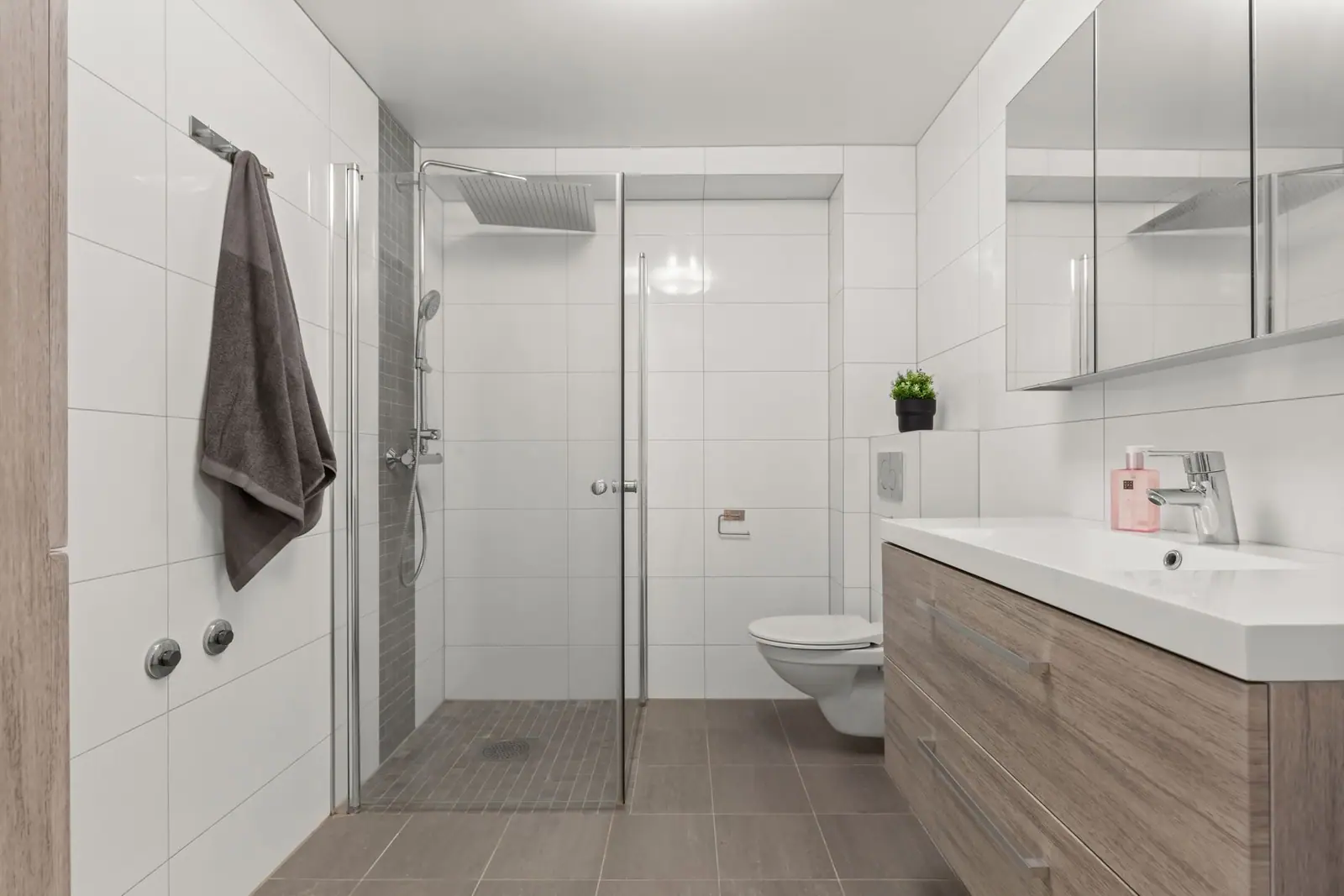
Specify it properly: step-free shower, blocking for grab bars, a door that opens outwards or slides, clear space beside the toilet, and a floor that grips when wet.
The trap: building the smallest possible shower room. If a helper cannot get in, the room solves this year’s problem and not next year’s.
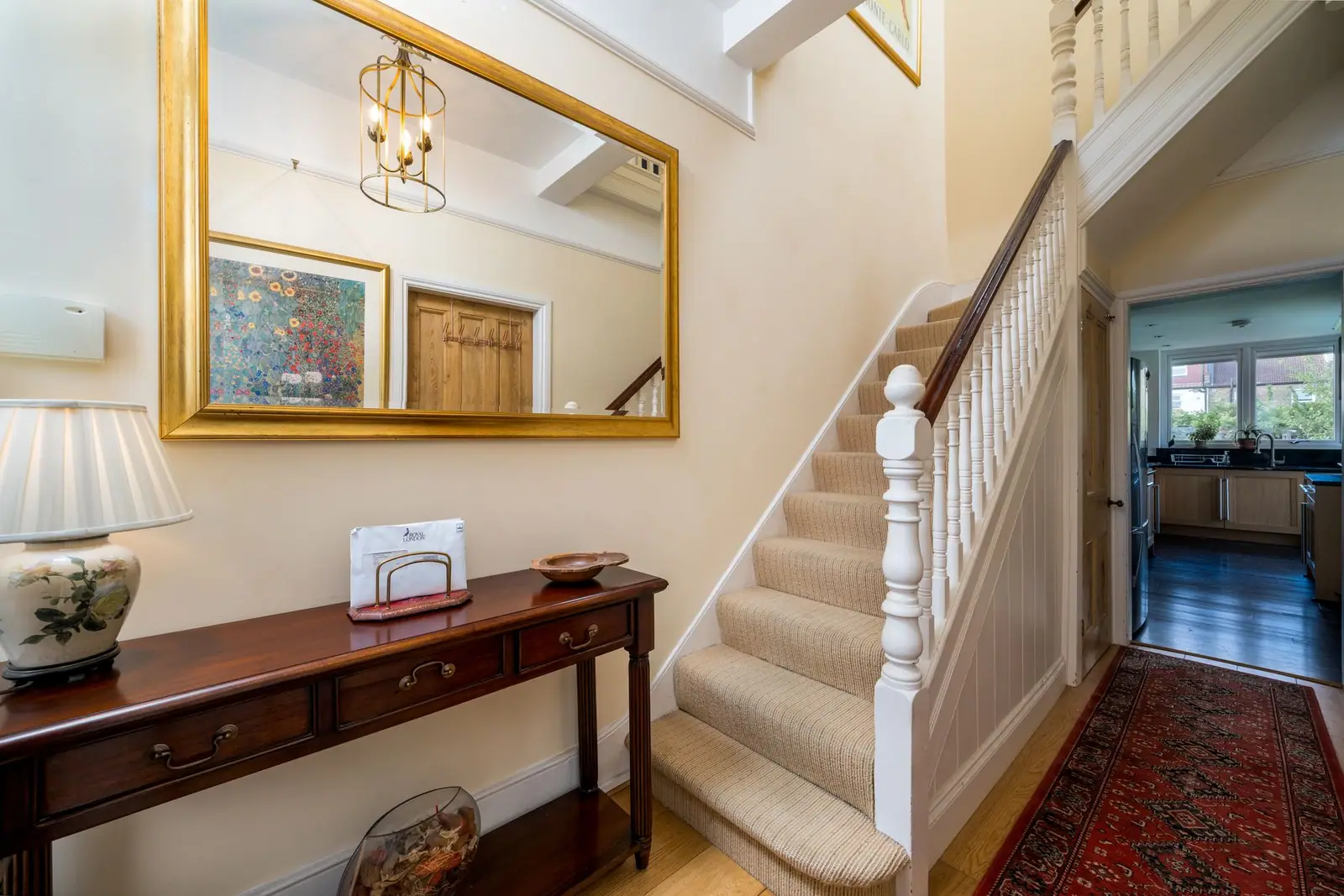
Option three: reorganise the ground floor
Often overlooked and sometimes the best value.
- Move the bedroom downstairs, to a dining room or study.
- Add a shower to an existing downstairs toilet, which is far cheaper than a new room if the plumbing is already there.
- Use the upstairs bathroom only when somebody else is home, with a commode or a bedside arrangement at night.
- Reserve the stairs for occasional use rather than daily use.
This is the option that costs the least and asks the most of the household emotionally, because it rearranges the house around a limitation. It is also reversible, which the others are not.
Option four: move
Sometimes the honest answer, and it deserves to be said plainly rather than treated as failure. A single-level home, an apartment with a lift, or a place near family may serve better than any amount of building work on a house that fights the person daily.
The arithmetic that matters: the cost of adapting the current house, against the cost and upheaval of moving, against how many more years the person wants to be in that house. Families who do this calculation honestly sometimes find that a modest adaptation and a later move beats a large adaptation now.
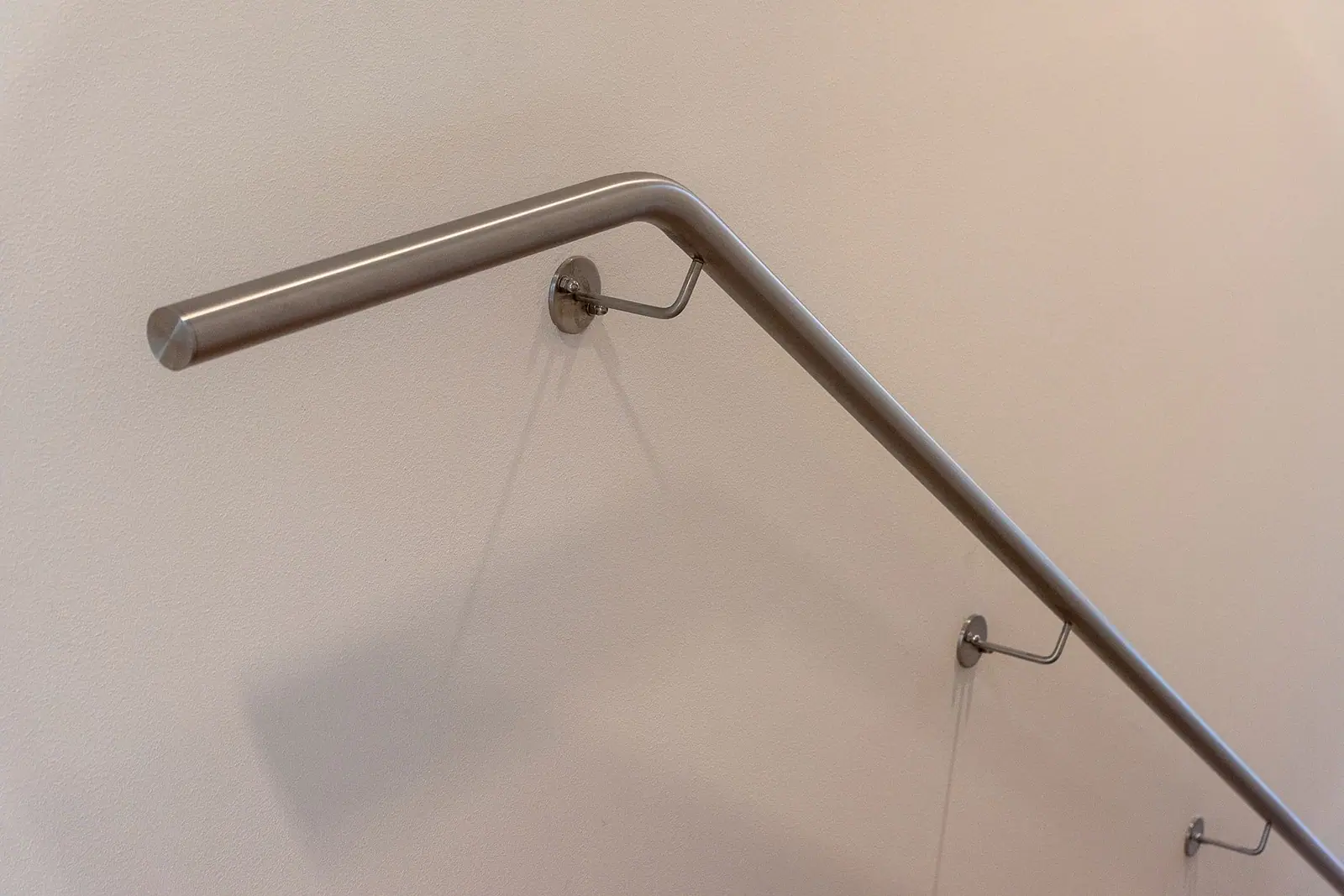
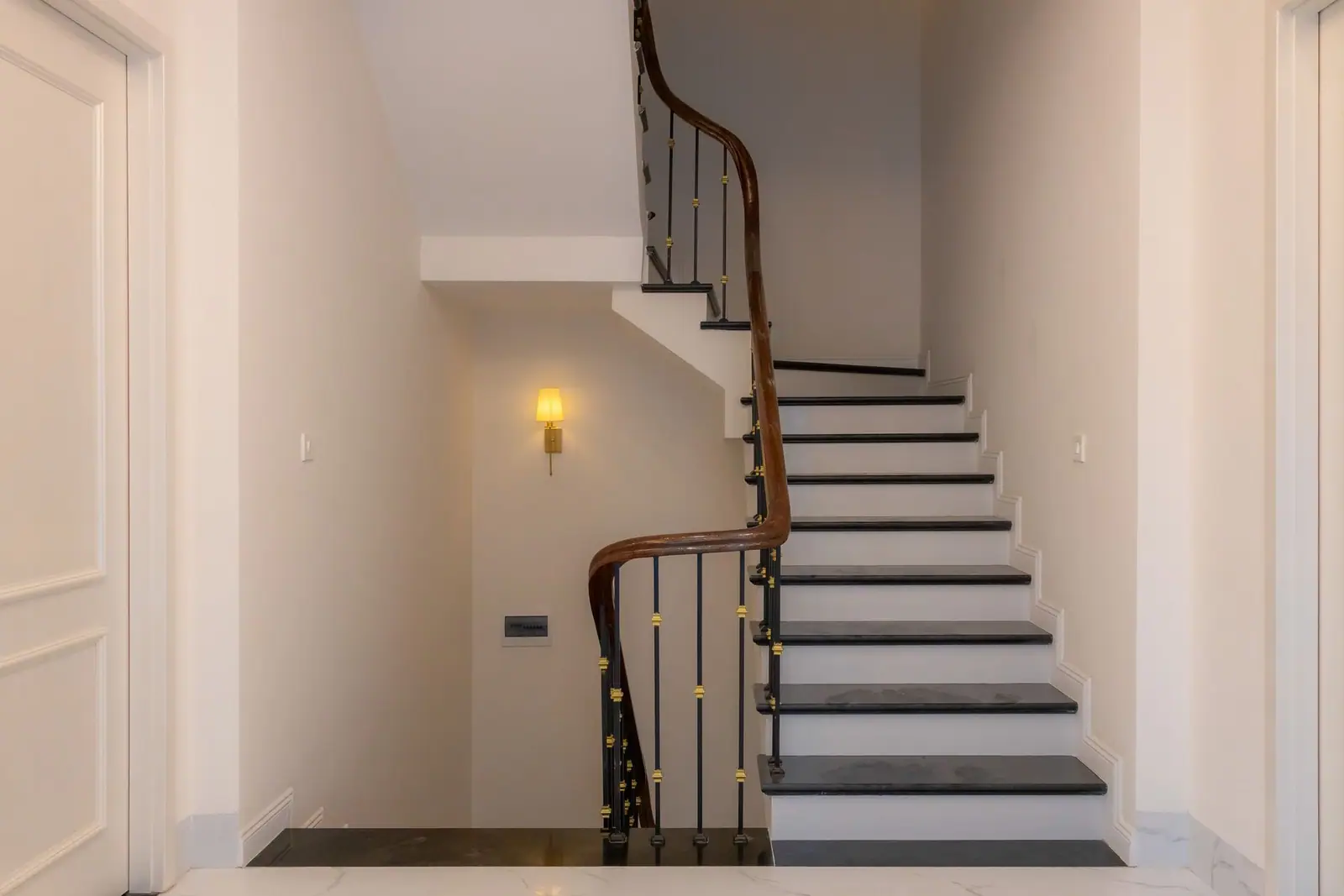
Whatever you choose, deal with the stairs themselves this week: a second handrail on the open side, good light at the top and bottom with switches at both ends, contrast on the step edges, no loose runner, and nothing stored on the treads. Those are inexpensive and they matter whether the person uses the stairs twice a day or twice a month.
How to decide
- Count the trips. How many times a day does the person go up, and how many at night? Night trips are the dangerous ones.
- Ask the occupational therapist specifically about stairs and transfers. This is exactly what they assess.
- Price two options properly, with itemised quotes: the lift and the downstairs room.
- Check the funding for each. A Medicaid waiver, a VA grant or a local programme may cover one and not the other.
- Consider the household, including a spouse who also uses the stairs and may have different needs.
- Decide before a crisis. After a fall, this conversation happens under time pressure, with a discharge date, and the choices narrow to whichever can be arranged in a week.
What not to do
- Do not install a stair lift for somebody who cannot transfer safely onto it. Assess first.
- Do not build the smallest possible downstairs shower to save a few hundred dollars.
- Do not leave the stairs untreated because a lift is planned for next year.
- Do not let one family member carry this alone. Everybody who visits has an opinion; the person who lives there has the deciding one.
Related reading: The Floor Is the Other Half of a Safe Bathroom and Tub Transfer Bench Cost: Fit, Height and Weight Limits.
Questions people ask
Is a stair lift or a downstairs bathroom better?
A stair lift is faster and cheaper and works when the person can transfer on and off a seat and is steady on the level. A downstairs bathroom is the larger project but removes the stairs from daily life entirely, which is usually what keeps somebody in the house long term.
Can a shower be added to a downstairs toilet?
Often yes, and it is far cheaper than building a new room, because the plumbing is already there. Specify a step-free entry, blocking for grab bars, a door that opens outwards or slides, and enough space for a helper.
What should I do about the stairs in the meantime?
Add a second handrail on the open side, improve lighting with switches at the top and bottom, add contrast at the step edges, remove loose runners and keep the treads clear. These are inexpensive and useful whatever larger decision follows.
When is moving the right answer?
When the cost and disruption of adapting the current house outweigh its value for the years the person wants to stay there. It is a legitimate option rather than a failure, and doing the arithmetic honestly sometimes shows a modest adaptation now plus a later move is the better path.
Where these figures come from
- Preventing Falls at Home: Room by Room National Institute on Aging, NIH · nia.nih.gov
- Home health services coverage Medicare.gov · medicare.gov
- 42 CFR 440.180, Home and community-based waiver services Electronic Code of Federal Regulations · ecfr.gov
Figures last checked September 2026.