On this page
Before any product is bought or any wall is opened, there is an afternoon of work that costs nothing and removes more hazards than most renovations. It is unglamorous, it is slightly awkward with a parent who likes their house the way it is, and it matters more than the catalogue.
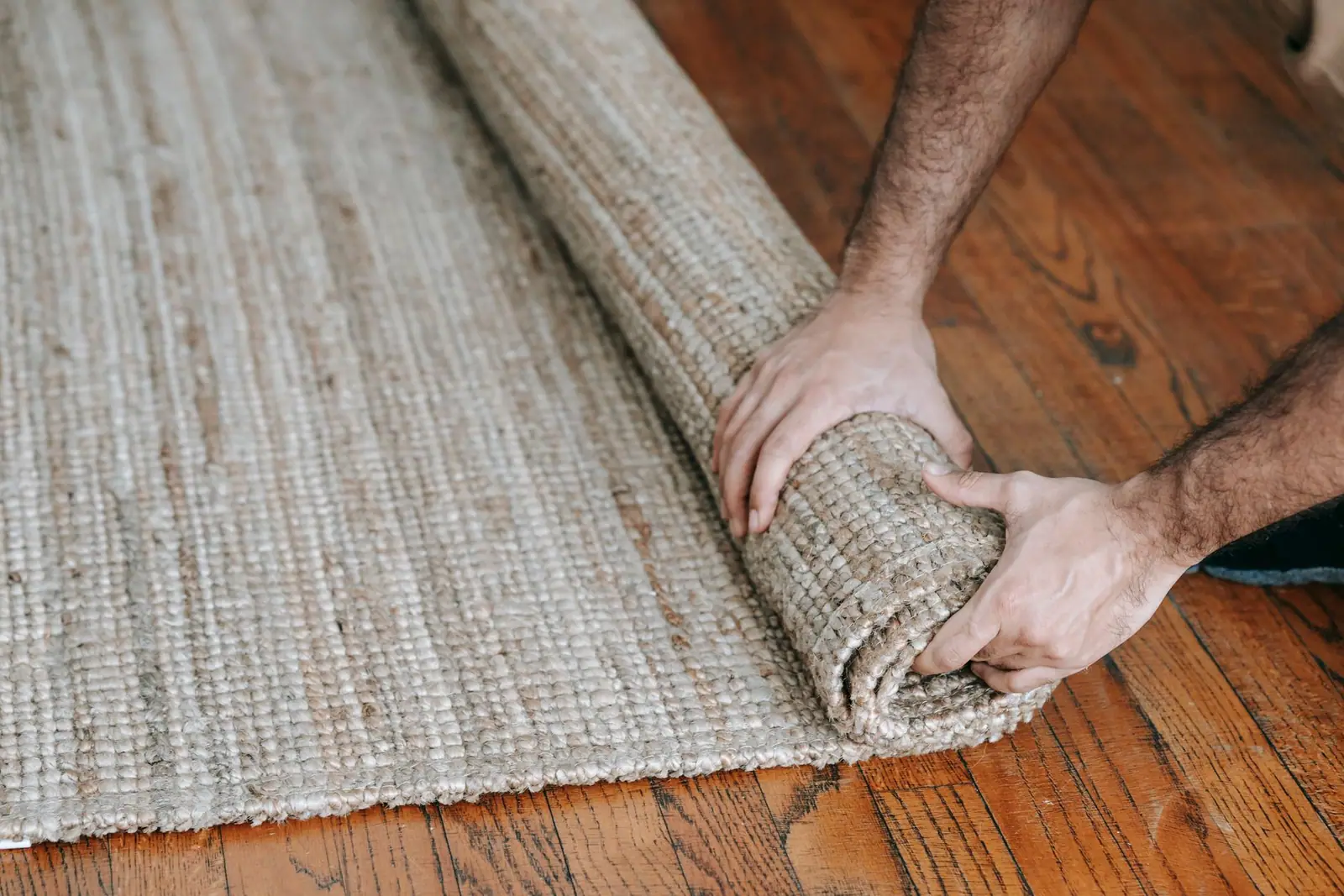
Start with the rugs
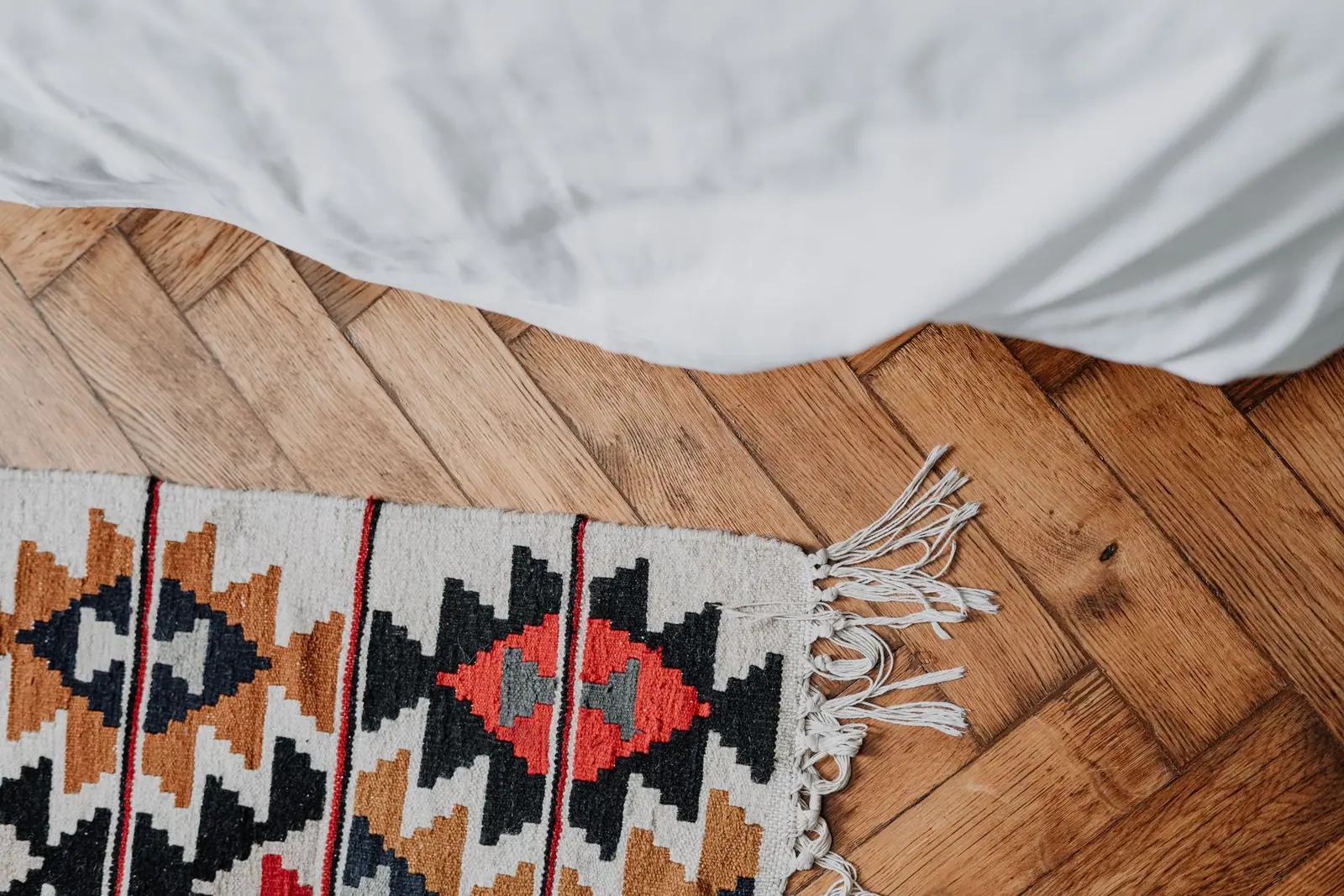
The National Institute on Aging says it without hedging: do not use throw rugs or small area rugs.
The reasons stack up. A small rug slides on a hard floor. Its edge curls. A walker catches it. A foot that no longer lifts far clips it. And the rug is usually exactly where somebody turns: beside the bed, at the door, in front of the sink.
Options, in order of how well they work:
- Remove it. Simplest, and the one families resist.
- Replace it with a low-pile mat that has a full rubber backing and stays put.
- Tape it down properly with double-sided carpet tape, all round, not at the corners.
- Fit a fixed carpet or runner where the floor is cold or loud.
If a rug is there because the floor is slippery, fix the floor rather than covering it.
The rest of the afternoon
Cords. Lamp cords, phone chargers, extension leads crossing a walkway. Move the furniture or the socket rather than taping a cord to the floor in the middle of a room.
Thresholds. The strip between carpet and tile, or the raised sill in a doorway. Replace with a low-profile transition, or level the floors during any work.
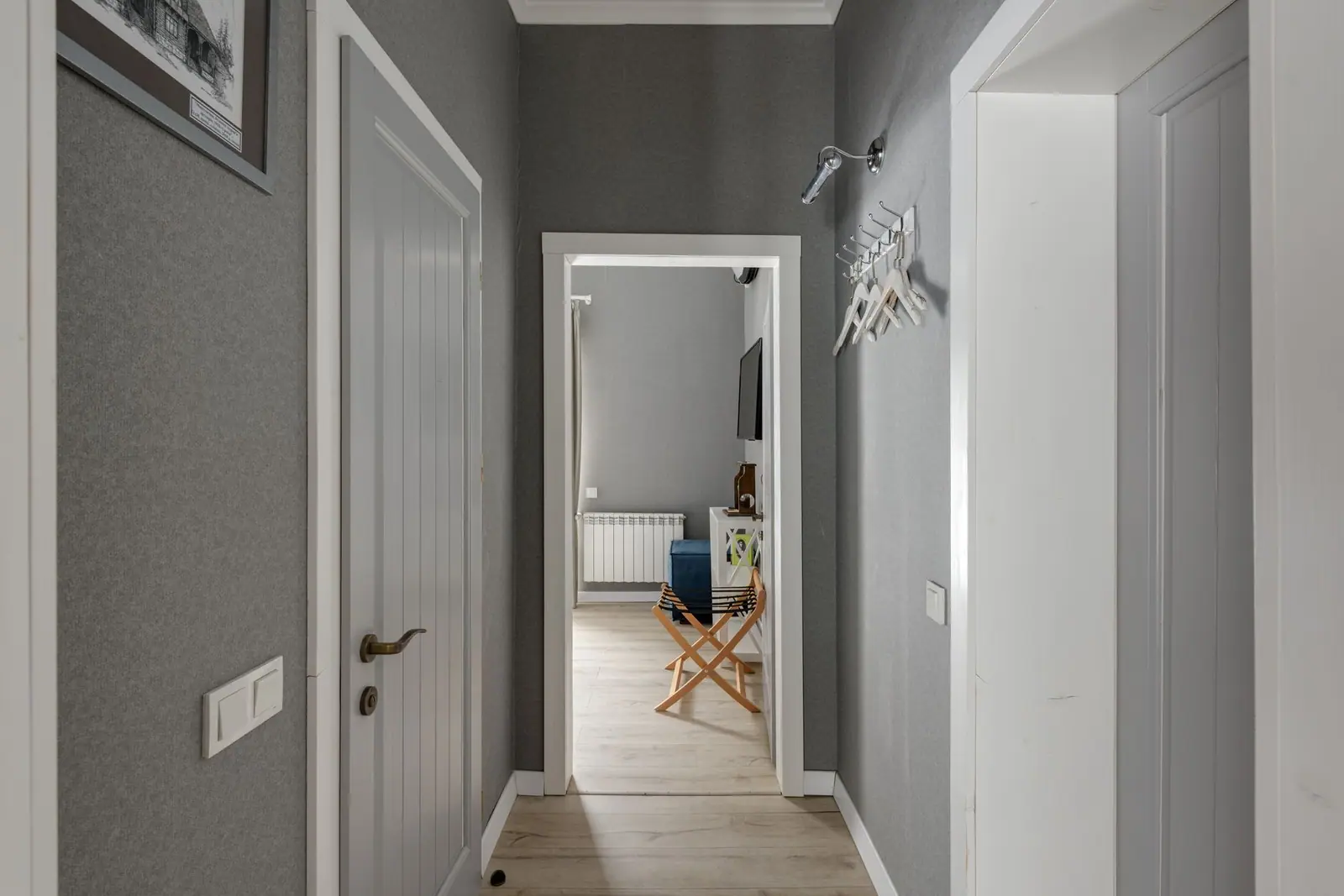
Clutter on the route. Magazines, shoes, pet bowls, laundry baskets, the box that has been in the hallway since Christmas. Keep the paths between bed, bathroom, kitchen and front door completely clear.
Furniture that moves. A chair that slides when leaned on, a side table on castors, a coffee table in the middle of a route. Either fix it in place or take it out.
Newly washed floors. NIA names them specifically. If somebody cleans the house, agree a rule that the person stays out of the room until it dries.
Pets. A small dog underfoot is a genuine hazard, and one that nobody wants to talk about. Feeding routines, bells on collars and keeping bowls out of walkways all help.
Stairs. Nothing stored on the treads, no loose runner, a handrail on both sides if possible, and contrast on the step edges.
Edges and contrast do a lot of quiet work. A dark strip at the edge of each stair tread, a floor that is a clearly different tone from the walls, and a toilet seat that contrasts with the pan all help somebody whose vision has lost contrast sensitivity. It costs almost nothing and makes the house legible.
Choosing flooring, if it is being replaced
- Low pile carpet is forgiving in a fall and grips well, but it is harder for a walker or wheelchair to cross than a hard floor.
- Textured vinyl or rubber balances grip, warmth and wheeled traffic, and is the usual choice in accessible design.
- Large polished tiles and glossy wood look excellent and are the worst option underfoot.
- Avoid busy patterns, which can be confusing for people with dementia or poor vision and can hide a step edge.
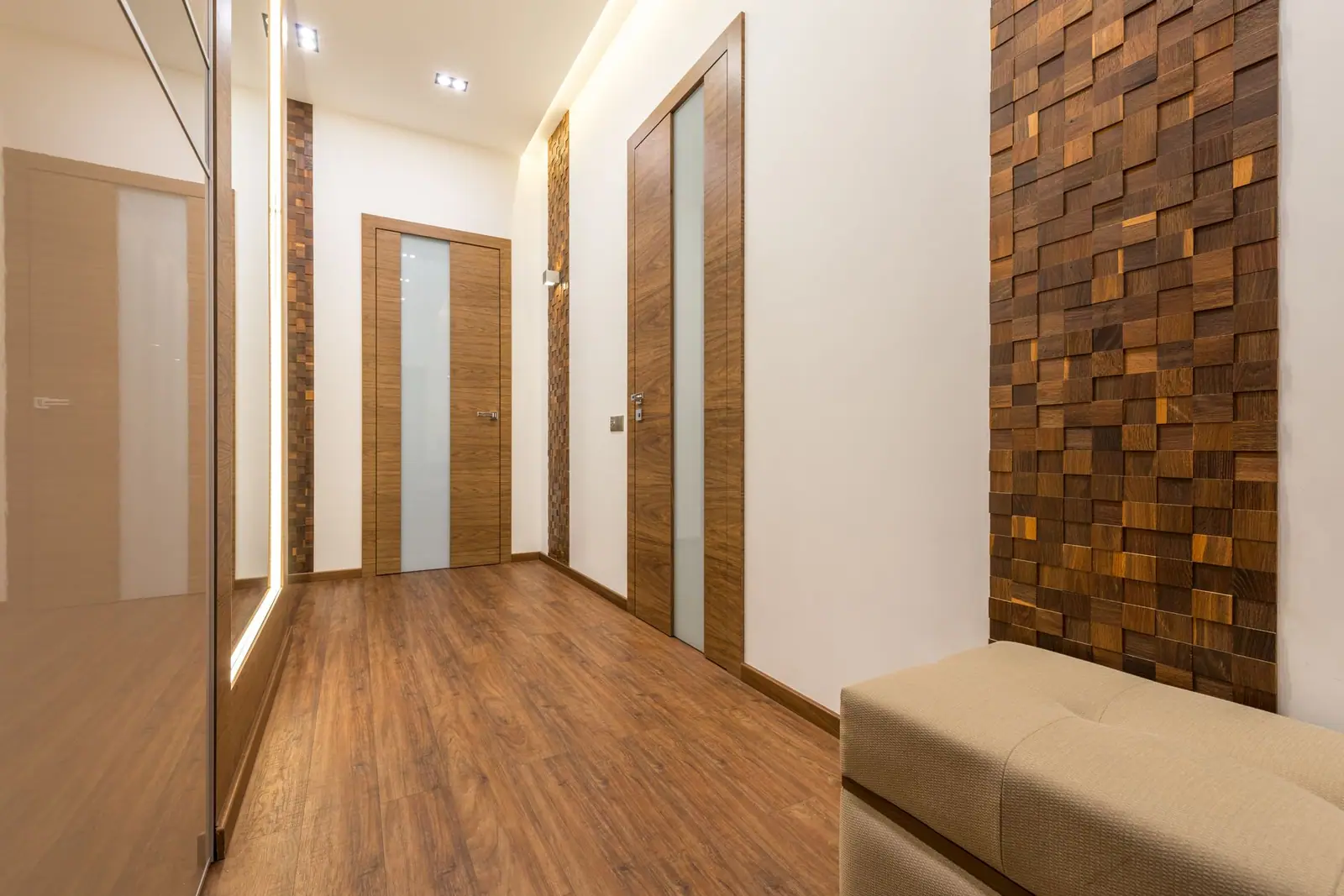
- Keep it continuous where you can: fewer transitions, fewer thresholds, fewer trip points.
The walk-through to do every few months
Do this with the person, not for them.
- Walk each route they use daily and look at the floor, not the room.
- Note anything that slides, curls, catches or sits in the path.
- Check whether furniture has migrated back into a walkway.
- Test the lighting on the same routes at night.
- Ask what they hold onto as they move, and put something solid there.
- Fix what you found that day, because the list does not survive being written down for later.
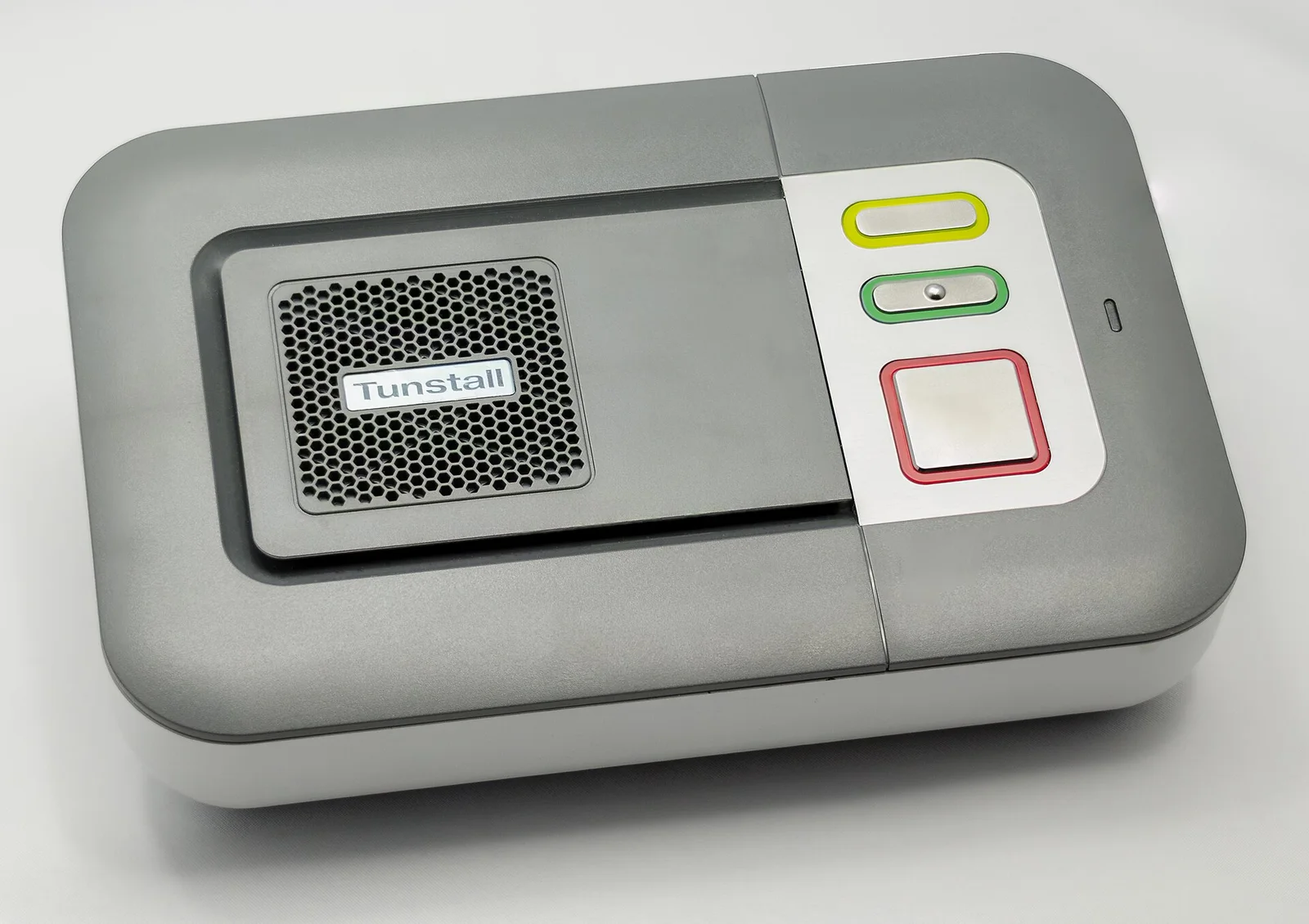
Related reading: The Doorway Problem Has a Cheap Fix and How Much Does a Home Medical Alert System Cost?.
Questions people ask
Are area rugs dangerous for older adults?
Small rugs and throw rugs are a common trip hazard: they slide, their edges curl, and they sit where people turn. The National Institute on Aging advises against using them. If one is needed for warmth or noise, use a low-pile mat with a full rubber backing or fix a runner down properly.
What flooring is best for an older person's home?
Textured vinyl or rubber balances grip, warmth and ease for walkers and wheelchairs. Low-pile carpet is forgiving in a fall but harder to cross on wheels, while large polished tiles and glossy wood are the least safe underfoot.
What is the quickest way to make a home safer?
An afternoon of removing hazards: take up loose rugs, clear cords and clutter from walkways, sort out raised thresholds, keep stairs clear and improve lighting on the routes people use at night. It costs nothing and removes more risk than most purchases.
Why does contrast matter in an older person's home?
Because contrast sensitivity declines with age. A dark edge on each stair tread, flooring that differs in tone from the walls and a contrasting toilet seat all make edges and objects easier to see, which prevents missteps.
Where these figures come from
- Preventing Falls at Home: Room by Room National Institute on Aging, NIH · nia.nih.gov
- Six Tips to Help Prevent Falls National Institute on Aging, NIH · nia.nih.gov
- Falls and Falls Prevention National Institute on Aging, NIH · nia.nih.gov
Figures last checked September 2026.