On this page
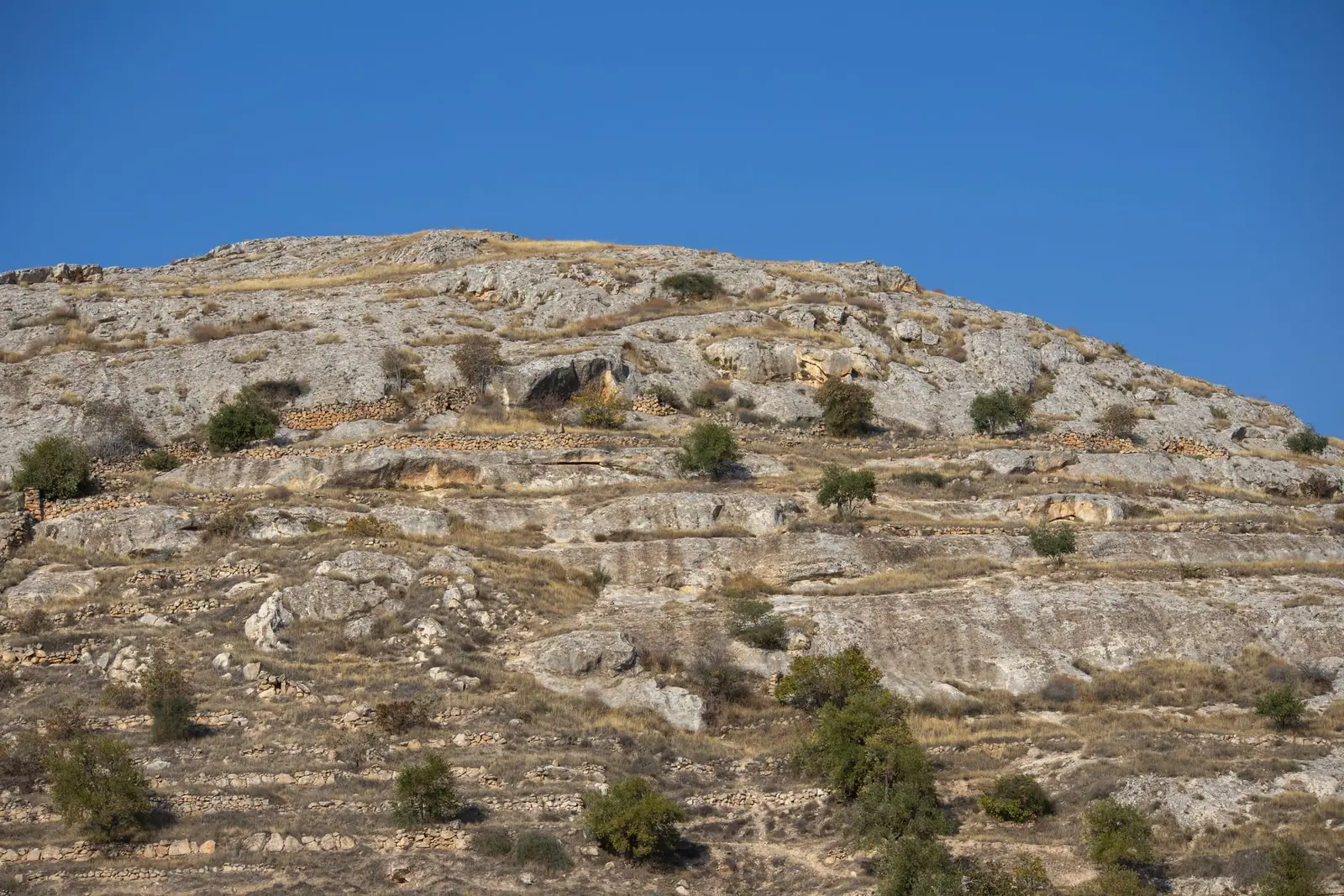
Arsenic is the contaminant that surprises people most, because it breaks the mental model. It is not something a neighbour did. It is in the rock, the water has been sitting in that rock for a long time, and the well simply brings it up.
The number and the source
EPA’s drinking water standard for arsenic is 0.010 mg/L, effective since 2006. That is ten parts per billion, and laboratories often report it as 10 µg/L.
USGS’s work on private wells lists arsenic among the contaminants most commonly found at levels of potential health concern, and describes those common contaminants as predominantly naturally occurring. In other words, this is geology: arsenic-bearing minerals dissolving slowly into groundwater.
That is also why it is so local. Two properties on the same road can have very different results if their wells are different depths or draw from different layers. A neighbour’s clean test is not evidence about your water, which is the single most useful thing to know about this contaminant.

What the risk looks like
Arsenic in drinking water is a long-term exposure problem rather than an acute one. It is a known carcinogen, and the health concerns come from years of drinking water above the standard rather than from a glass of it.
Two practical consequences:
- Do not panic at a single result, but do not shelve it either. The exposure that matters accumulates, so a result above the limit is a reason to change what you drink now and to plan treatment, not an emergency evacuation.
- The people in the house matter. If there is a pregnancy or young children, treat the result with more urgency and talk to a clinician with the actual number.
Bathing and washing are not the main route of exposure for arsenic. Drinking and cooking are. That distinction is what makes point-of-use treatment a legitimate option here in a way it is not for, say, radon.
Testing for it properly
- Ask specifically. Arsenic is not in the standard annual package of coliform, nitrate, total dissolved solids and pH. You have to request it.
- Ask your health department whether arsenic is known in your area. Many states have mapped it.
- Request the speciation if the first result is above or near the limit. Arsenic occurs as arsenite (arsenic III) and arsenate (arsenic V), and which one you have changes the treatment.
- Test at a tap before any treatment, so you know what is in the raw water.
- Retest after any change to the well, the pump depth or the treatment system.
Treatment, in the order it is usually considered
- Reverse osmosis at the kitchen sink. Effective for drinking and cooking water, small, and the most common answer for a household. It needs the arsenic to be in the arsenate form, which sometimes means adding an oxidation step ahead of it.
- Adsorptive media, whole-house or point-of-entry, using iron-based or activated alumina media that the arsenic sticks to. Media has a service life and must be replaced.
- Anion exchange, which works in specific water chemistries and can be upset by sulfate.
- Distillation, effective at small scale.
Whatever the choice, two rules hold: buy equipment certified to the relevant NSF/ANSI standard for arsenic reduction, and test the treated water after installation and then regularly. Treatment that is not verified is a hope rather than a fix.
Ask the laboratory for a fuller water chemistry alongside the arsenic number: pH, iron, manganese, sulfate and total dissolved solids. Arsenic treatment is designed around those. A supplier who quotes a system without knowing them is selling a box rather than solving your problem.
What not to do
- Do not boil. As with nitrate, boiling concentrates rather than removes.
- Do not rely on a carbon jug filter or a fridge filter unless it is specifically certified for arsenic, which most are not.
- Do not assume depth fixes it. Deeper is sometimes cleaner and sometimes worse; it depends on the layer.
- Do not skip the retest after treatment, or the media replacement schedule afterwards.
- Do not treat a neighbour’s result as yours, in either direction.
Related reading: When the Well Pump Stops, Read the Symptoms First and Hard Water, Softeners and the Septic Question.
Questions people ask
What is the arsenic limit in drinking water?
EPA's maximum contaminant level is 0.010 mg/L, or 10 micrograms per litre, which has applied since 2006. It is binding on public water systems and is the benchmark used for private wells.
Can you taste or smell arsenic in water?
No. It has no taste, smell or colour at the levels that matter, so a laboratory test is the only way to find out. It is also not part of the standard annual well package, so it has to be requested specifically.
Does boiling remove arsenic?
No. Boiling evaporates water and leaves the arsenic behind, raising the concentration. Removal requires reverse osmosis, adsorptive media, anion exchange in suitable water chemistry, or distillation.
Is it safe to shower in water with arsenic?
The exposure that matters for arsenic is drinking and cooking rather than skin contact or inhalation while bathing, which is why point-of-use treatment at the kitchen sink is a common approach. If the result is high, discuss it with your health department or a clinician.
Where these figures come from
- National Primary Drinking Water Regulations US Environmental Protection Agency · epa.gov
- Contamination in U.S. Private Wells US Geological Survey · usgs.gov
- Protect Your Home's Water US Environmental Protection Agency · epa.gov
Figures last checked September 2026.