On this page
When the power goes out, the fridge becomes a countdown and the freezer becomes a bank. The FDA’s guidance is unusually easy to memorise, and worth memorising before you need it at eleven at night with a torch.
Key figures
- about 4 hours Cold-storage time for a closed refrigerator
- about 48 hours Cold-storage time for a full, closed freezer
- about 24 hours Cold-storage time for a half-full, closed freezer
The four numbers
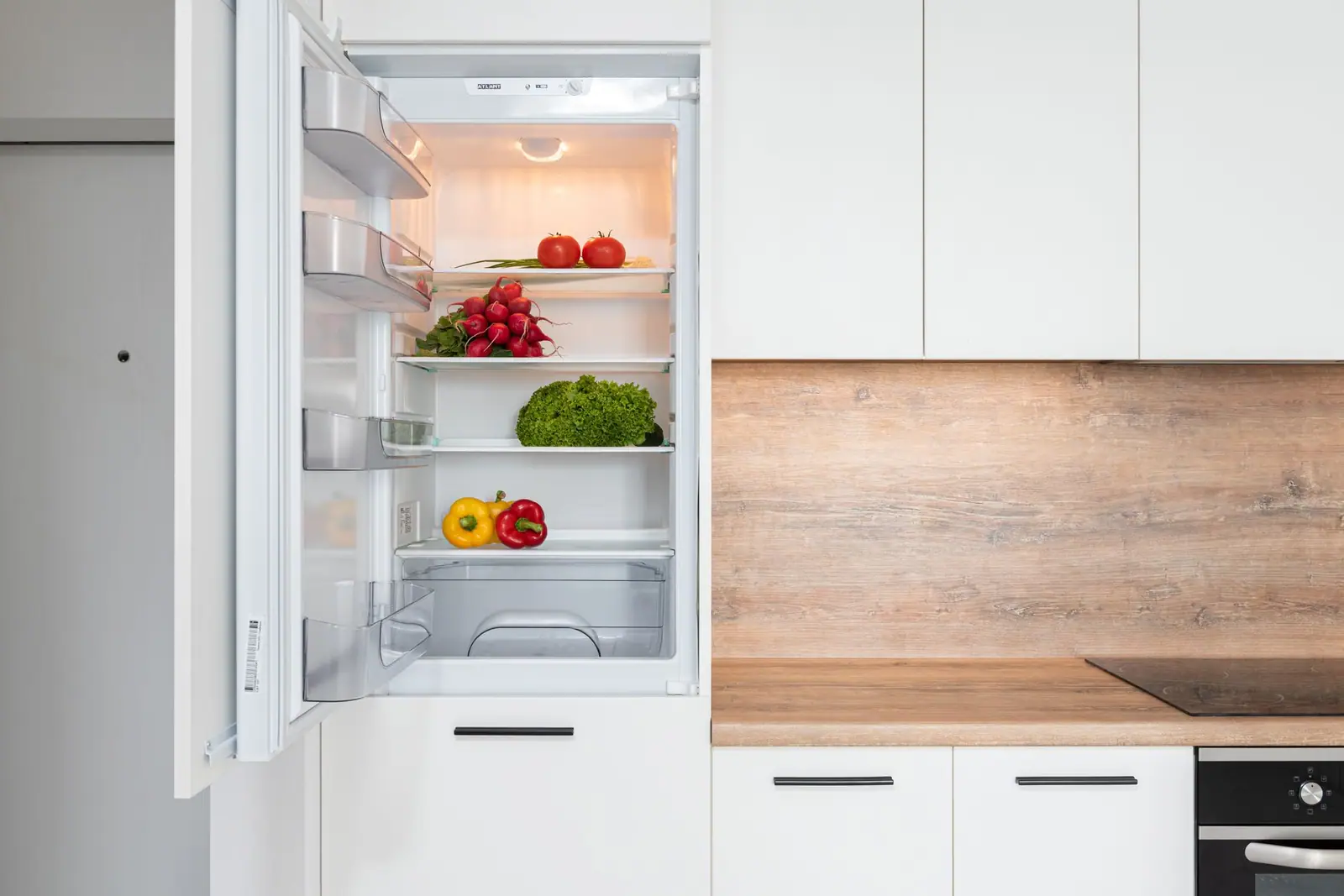
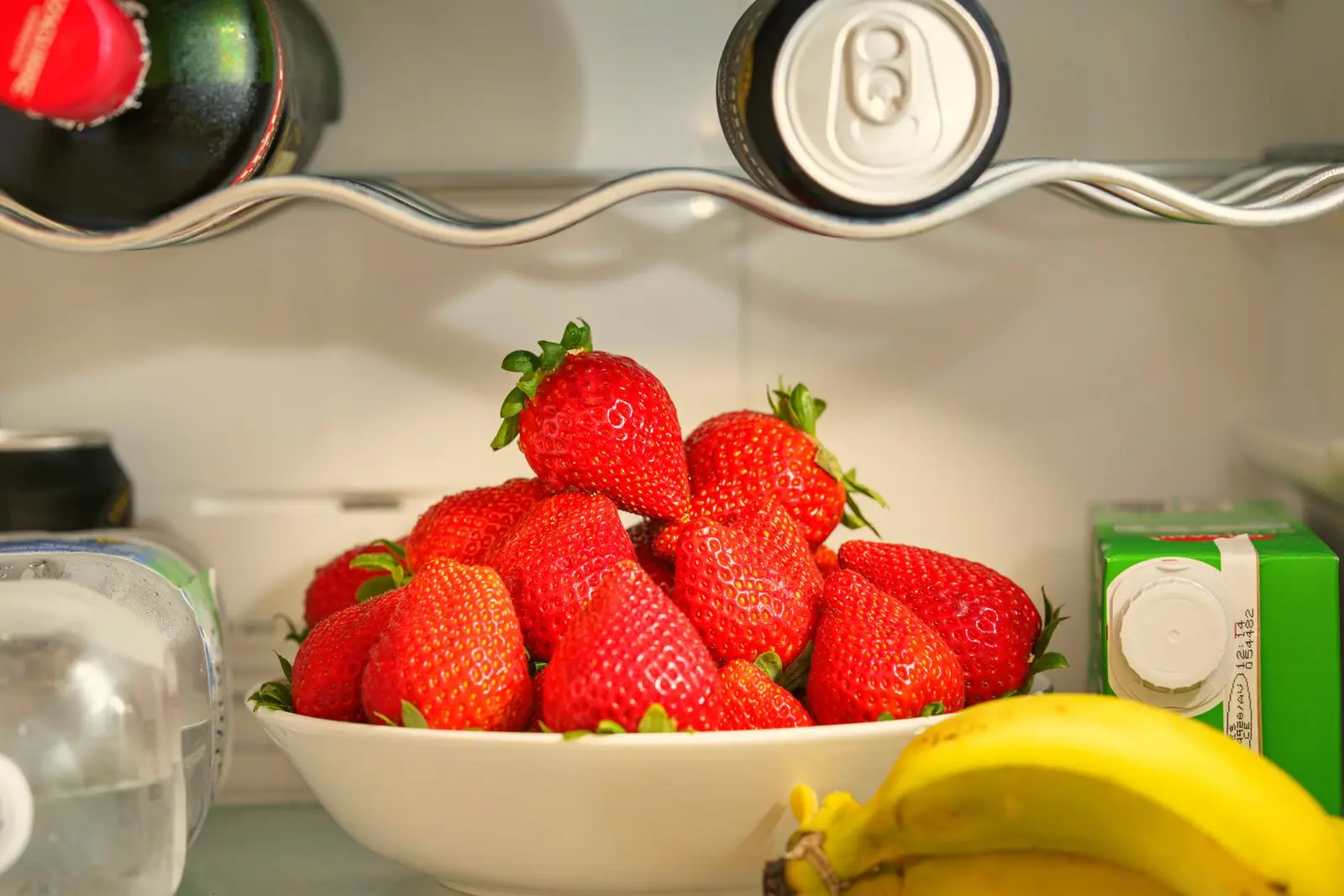
- Refrigerator: about 4 hours while the door stays closed.
- Full freezer: about 48 hours.
- Half-full freezer: about 24 hours.
- 40°F: perishable food held above this for two hours or more goes in the bin.
Perishable means meat, poultry, seafood, milk, eggs, leftovers and anything else that lives in the fridge because it has to.
Every time you open it you spend the clock. Decide what you need before opening, take it all at once, and close it. A fridge thermometer left inside lets you check without opening anything, which is exactly why it is worth the few dollars.
What to do, in order
Before the storm arrives, if you get a warning:
- Turn the fridge and freezer to their coldest settings.
- Freeze water in containers and bottles, and fill gaps in the freezer. A full freezer holds cold twice as long as a half-empty one.
- Move what you can from the fridge to the freezer.
- Put a thermometer in each, and make a bag of ice or buy dry ice if you can.
During the outage: keep both doors closed, and move fridge items into the freezer or a cooler if the outage looks long.
When the power comes back:
- Check the temperature, not the appearance. Food can be unsafe and look and smell completely normal.
- Freezer: if food still has ice crystals or reads 40°F or below, it is safe to refreeze or cook.
- Fridge: if it held at 40°F or below, the food is fine. If it went above for two hours or more, discard perishables.
- When in doubt, throw it out. Tasting is never a test.
Flood water changes the rules completely
If flood water has reached food, the FDA’s guidance is to discard anything that is not in a waterproof container. That includes cardboard, screw-top jars, bottles with pull tabs, and any home-canned food.
Undamaged all-metal cans and retort pouches can be saved by removing labels, washing and sanitising, then relabelling with a marker. Everything else goes.
Water, while the power is out
If water safety is in question, the FDA’s guidance is to use bottled water, or boil water for one minute. Where boiling is not possible, add one eighth of a teaspoon, about eight drops, of unscented household bleach at 5.25 percent concentration per gallon, stir, and wait 30 minutes.
Follow your local authority’s boil-water notices over any general rule, since they know what happened to the system.
Related reading: What a Long Power Outage Actually Costs and Generator, Battery Station, or Neither, plus What to Unplug, and How to Turn Everything Back On.
Questions people ask
How long does a freezer stay cold without power?
About 48 hours if it is full and stays closed, about 24 hours if it is half full.
Can I refreeze food that thawed?
Yes, if it still has ice crystals or is at 40°F or below. If it has been above 40°F for two hours or more, discard it.
Is food safe if it smells fine?
No. The FDA is clear that food can be unsafe without any change in smell, taste or appearance. Judge by temperature and time.
What about food that floodwater touched?
Discard anything not in a waterproof container. Only undamaged all-metal cans and retort pouches can be cleaned and kept.
Where these figures come from
- Food and Water Safety During Power Outages and Floods US Food and Drug Administration · fda.gov
- Food Safety During Power Outage FoodSafety.gov · foodsafety.gov
Figures last checked September 2026.