On this page
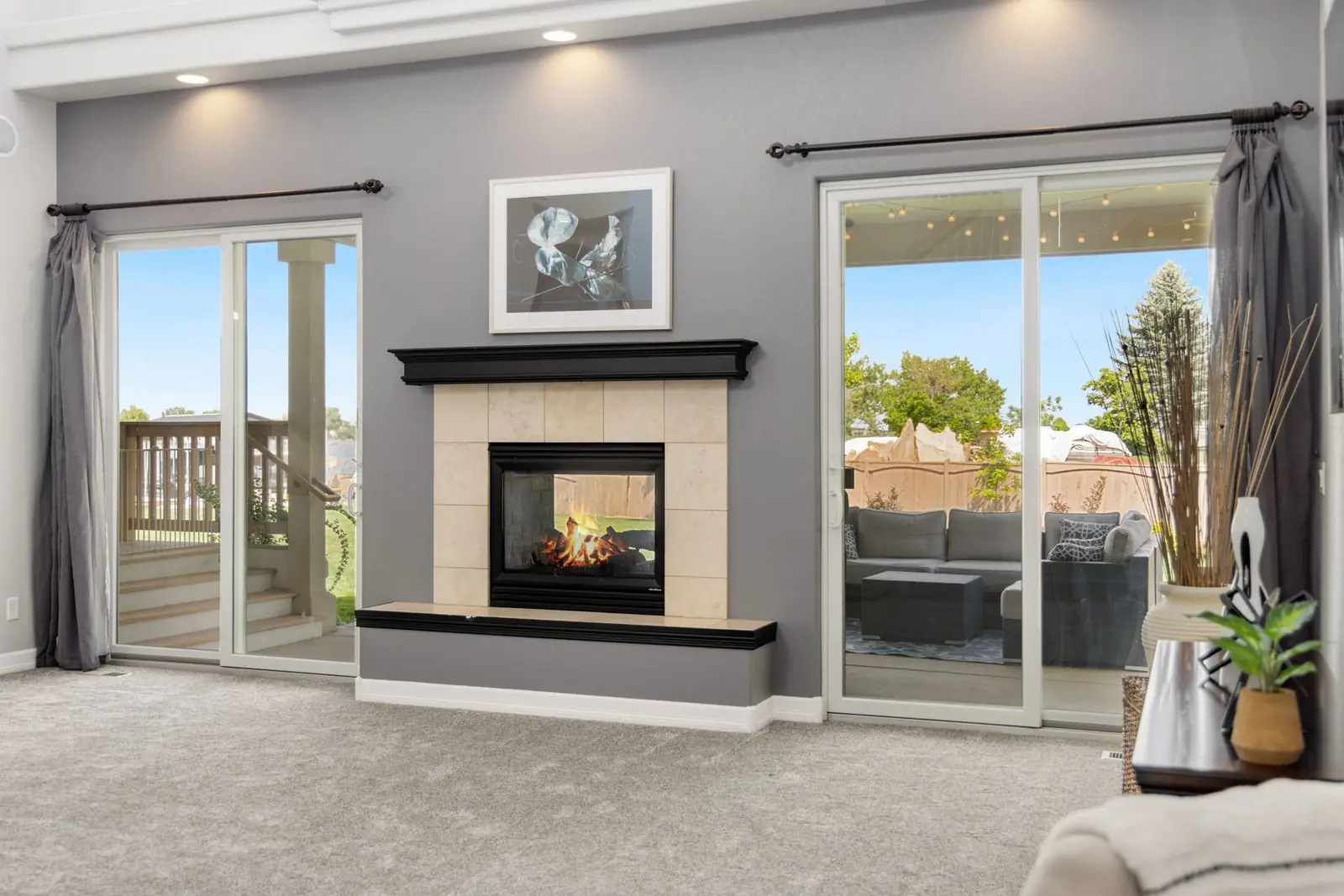
Front doors get the attention, the deadbolt and the camera. The patio door at the back, invisible from the street, gets a plastic catch moulded into the frame. That imbalance is worth correcting before anything electronic goes on the shopping list.
Key figures
- 39.5 percent Unlocked entry in historical no-force, unoccupied-home burglary cases
- 17.2 percent Open entry in historical no-force, unoccupied-home burglary cases
Why the hardware is weak
Window and sliding door latches are made to hold a panel against wind and to stop rattle. They are usually die-cast, screwed into an aluminium or vinyl frame with short screws, and they engage a few millimetres of metal. Nothing about them was designed to resist a determined pull.
Sliding doors add a second weakness: the panel is held in a track, and a panel that can be lifted can often be lifted out of the track entirely, latch still locked.
The fixes that work, in order of value
- Anti-lift screws. Drive a few screws into the upper track above the sliding panel, leaving just enough clearance for it to move. Now the panel cannot be lifted out. Five minutes, almost no money, and it removes the failure mode that defines sliding doors.
- A secondary lock. A bar, a charley bar or a pin lock that passes through both frames at a second point. Pin locks are better than bars on glass doors because they resist lifting as well as sliding, and they can be positioned to allow a ventilation gap.
- A foot bolt or auxiliary bolt at the base of the fixed panel, which stops the whole assembly being worked loose.
- Window pins and stops. A pin through the sashes of a double-hung window, or a keyed stop on a casement, converts the catch into an actual lock.
- Security film or laminated glass on glazing within reach of a lock. This does not make glass unbreakable; it makes it slow and loud, which is what deters.
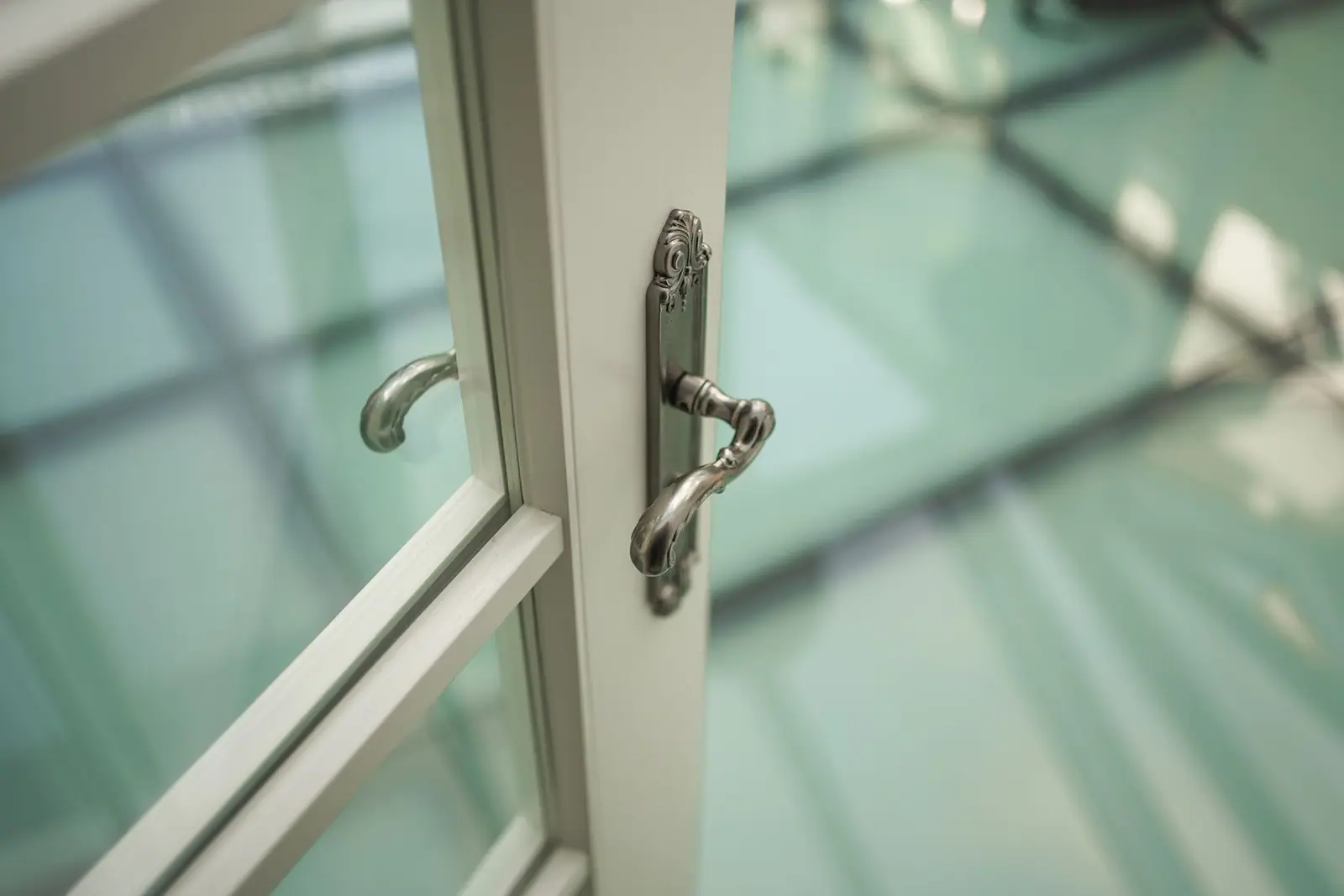
What the data says about the back of the house
The Bureau of Justice Statistics found that among unlawful entries to unoccupied homes, 39.5 percent were through an unlocked door or window, and another 17.2 percent through one that was standing open. Between them that is more than half of the entries that needed no force.
Almost every household has a version of this: the kitchen window left on the latch, the patio door open while somebody is in the garden, the bathroom window that has not been closed properly since spring. The fix is a habit, not a purchase.
Ventilation and security are not opposites. Pin locks and window stops can usually be set at a partly open position, so a room can be aired without leaving an opening anybody can climb through. Fit them at the gap you actually use.
The things that only look like security
- Curtains and blinds alone. They hide the inside of the house, which helps, but they secure nothing.
- A bar wedged against a sliding door without anti-lift screws. The panel still comes out of the track.
- Window locks on the inside of glass you can reach through a broken pane. Keep keyed window locks where the key is not in the lock, but recognise the limit.
- Alarm decals with no system. Local, and easy to call.
- Security film applied only to the centre of the pane. It needs to be bonded well past the edges, or the glass lifts out of the frame around it.
A weekend pass round the house
Walk the perimeter, and at each opening ask three questions: does it lock, does it lock when the house is empty, and would it hold if somebody pulled hard?
- Sliding doors: anti-lift screws, a secondary lock, a clean track so the door closes properly.
- Ground-floor windows: pins or stops, and the catch checked rather than assumed.
- Basement and garage windows: usually the least secure and the least visible.
- Cat flaps and pet doors: check that a hand cannot reach a lock through them.
- Ladders, wheelie bins and garden furniture: everything that offers a way up to a first-floor window, stored or locked.
None of that costs much, and it addresses the majority category in the federal data rather than the dramatic one.
Related reading: A Sliding Door Lock Repair Starts With the Whole Door and Price Remote Access for the Smart Lock You Own.
Questions people ask
How do you secure a sliding glass door?
Three cheap steps: anti-lift screws in the upper track so the panel cannot be lifted out, a secondary pin lock or bar at a second point, and a clean track so the primary latch actually engages. Security film on the glass slows a break.
Are window latches enough?
Usually not. Standard latches are catches designed to stop rattling, and they engage a few millimetres of soft metal. Pins or keyed stops turn them into locks, and many can be set at a partly open position for ventilation.
Is security film worth it on glass doors?
It makes breaking through slower and noisier rather than impossible, which is what deters. It has to be bonded well beyond the edges of the pane, otherwise the glass can be lifted out of the frame with the film intact.
What is the most common way burglars get in?
Not force. In federal victimisation data, about 40 percent of no-force entries to unoccupied homes were through an unlocked door or window and 17 percent through an open one.
Where these figures come from
- Victimization During Household Burglary Bureau of Justice Statistics · bjs.ojp.gov
- False Burglar Alarms, 2nd Edition, Problem-Oriented Guides for Police No. 5 US Department of Justice, Office of Community Oriented Policing Services · portal.cops.usdoj.gov
Figures last checked September 2026.