On this page
Home security marketing is about locks, and the federal data is about doors being open.
The Bureau of Justice Statistics study of household burglary is the clearest source on this. Across the burglaries it counted, unlawful entry, which means entry without force, was the largest category at about 1.95 million a year, ahead of forcible entry at about 1.13 million and attempted forcible entry at about 630,000.
Then it breaks down how those no-force entries happened. In unlawful entries to homes where nobody was present:
- 39.5 percent were through an unlocked door or window
- 17.2 percent through an open door or window
- 7.9 percent involved somebody who had a key
- 4.1 percent involved a picked lock or window
Read that list again before spending anything. The most effective lock upgrade available to most households is using the lock they already own.
- Unlocked door or window39.5%
- Other means21.4%
- Open door or window17.2%
- Had a key7.9%
- Unknown, through a locked door5.3%
- Picked the lock4.1%
Bureau of Justice Statistics, Victimization During Household Burglary, table 7, annual averages 2003 to 2007. Unlawful entry means a completed burglary where no force was used to gain entry.
Key figures
- 39.5% Unlocked entry in historical no-force, unoccupied-home burglary cases
- 17.2% Open entry in historical no-force, unoccupied-home burglary cases
- three-inch Strike-plate screw length to reach structural framing
When force is used, the frame fails first
A kicked door almost never breaks the lock. What breaks is the jamb: the thin strip of softwood that the strike plate is screwed into, usually with three-quarter-inch screws that reach nothing but the jamb itself.
Three cheap fixes change that, and they cost less than most cameras.
- Long screws in the strike plate. Replace the short screws with three-inch screws that pass through the jamb and bite into the structural stud behind it. This is the highest-value ten minutes in home security.
- A reinforced strike plate with a larger footprint and four screws, which spreads the force across more timber.
- Hinge screws too. The hinge side fails as often as the lock side, and the fix is identical: long screws into the stud.
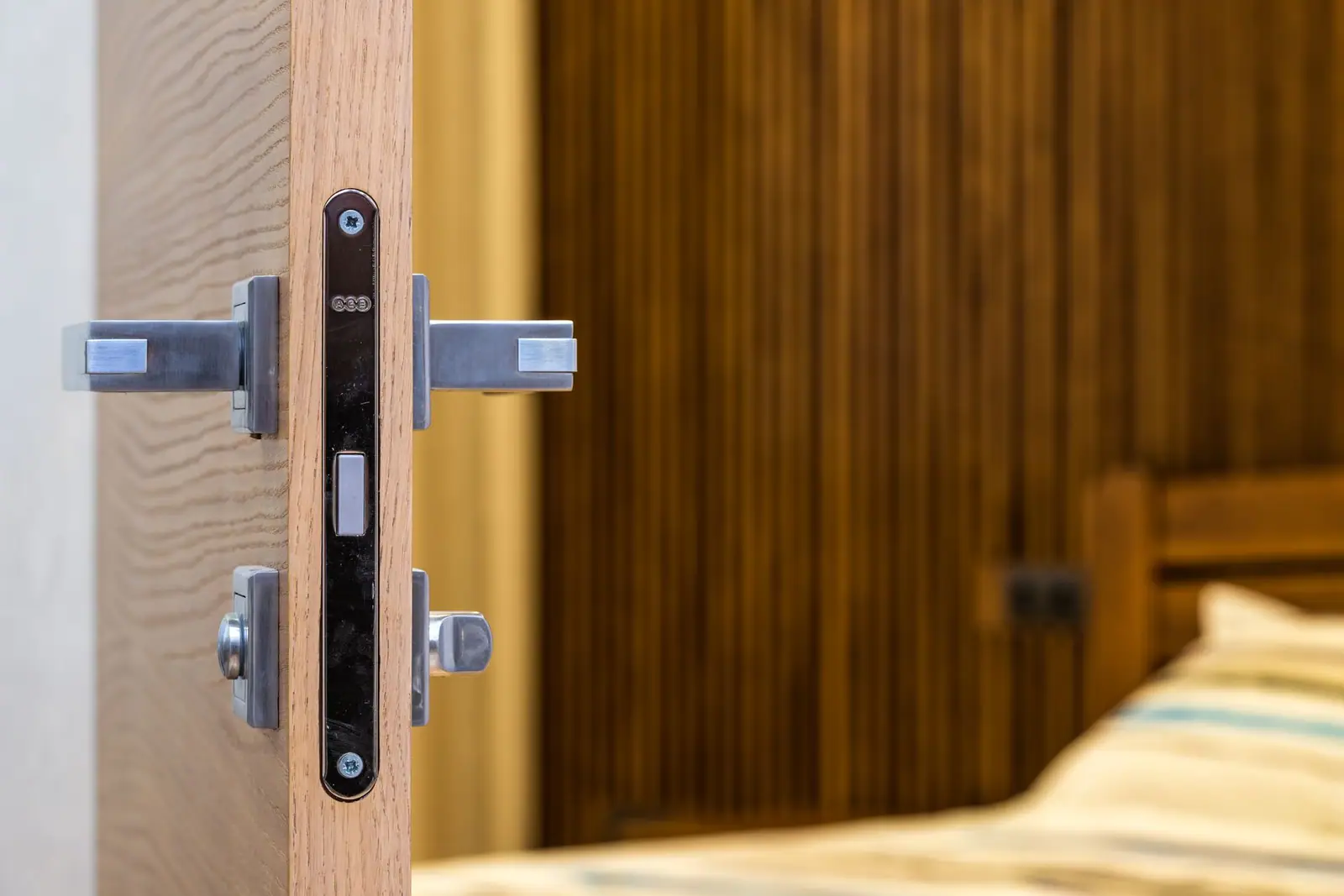
After that, look at the door itself. A hollow-core door is a panel of cardboard between two skins, and no lock improves it. Exterior doors should be solid wood, solid core, steel or fibreglass.
What the grades on the box mean
Lock packaging quotes ANSI/BHMA grades. The framework comes from the Builders Hardware Manufacturers Association, whose standards assign grade 1, 2 or 3, with grade 1 the highest, based on progressive performance benchmarks. Certified listings cover cycle, operational, strength, security and finish test requirements.
In practice: Grade 1 is the commercial standard, Grade 2 is heavy residential, and Grade 3 is ordinary residential. A Grade 2 deadbolt in a reinforced frame is better than a Grade 1 deadbolt in a jamb held together by short screws, because the test the burglar runs is on the whole door assembly, not on the lock in isolation.
The rest of the entry, in order
- A deadbolt with a full one-inch throw, properly aligned so it closes without lifting the door. A bolt that only half engages because the door has dropped is not a deadbolt.
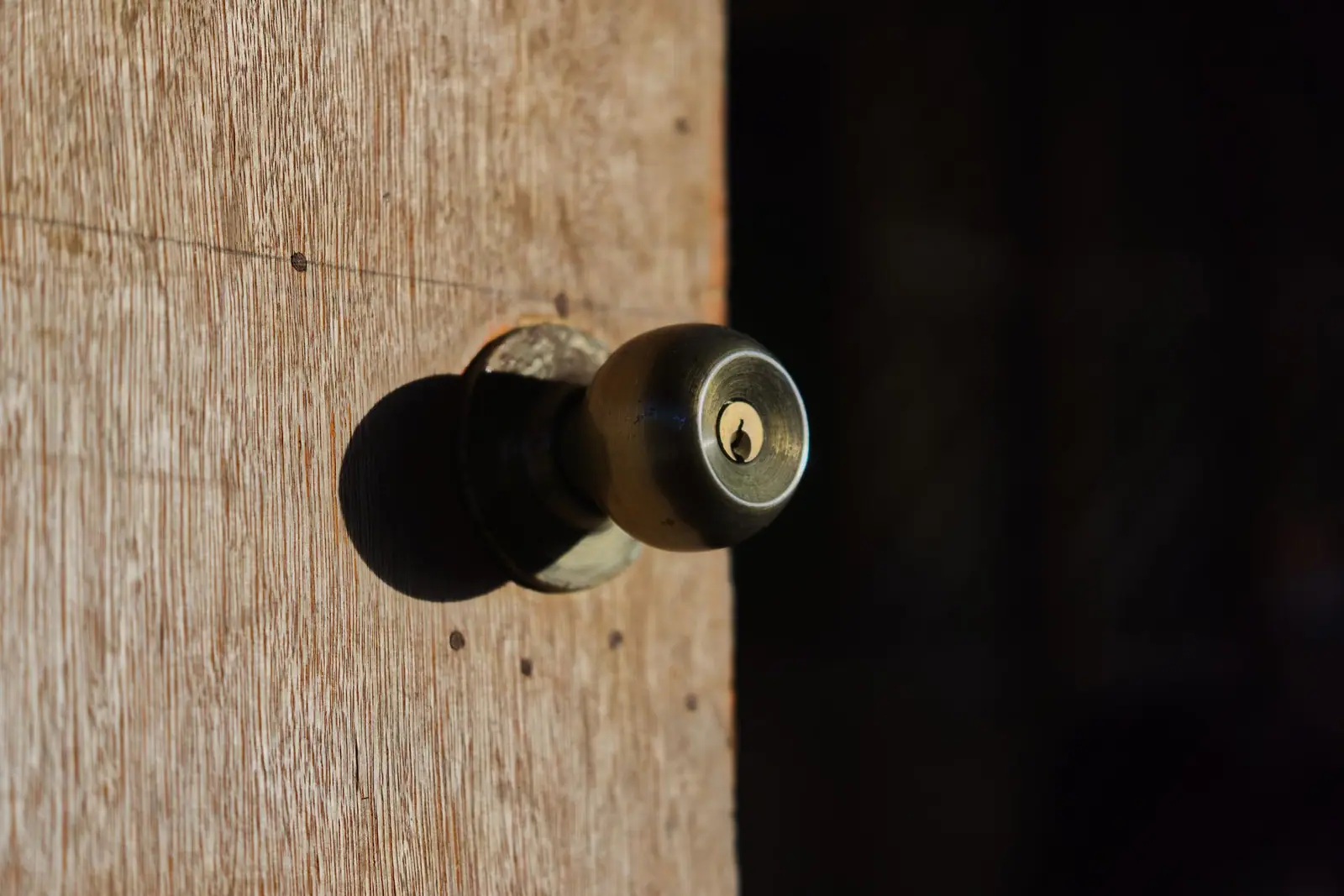
- No key-in-knob lock as the only lock. The knob is the weakest part of the assembly.
- Glass beside the door. A sidelight or a glazed panel within arm’s reach of the thumbturn is the reason double-cylinder locks exist, and they are a fire risk. Laminated glass or a secure film is the safer answer.
- The letterbox and the door edge. Long-reach tools exist. Keep keys away from the door, and never on a hook beside it.
- Spare keys. The 7.9 percent of unlawful entries by somebody who had a key is a category with a name. Rekey when you move in, when a relationship ends and when a key goes missing.
Rekeying is not the same as replacing. A locksmith can rekey most existing locks for a fraction of the cost of new hardware, and many consumer deadbolts can be rekeyed by the owner in a couple of minutes with the tool in the box. Moving into a house is the obvious moment, and almost nobody does it.
The order that actually helps
- Lock the doors and windows, including when you are at home and in the garden.
- Put long screws in every exterior strike plate and hinge.
- Rekey if you have just moved, or if keys are unaccounted for.
- Replace hollow-core exterior doors.
- Then, and only then, think about upgrading the lock itself.
Related reading: What a Smart Lock Solves, and What It Adds and The Garage Is a Door Most People Forget, plus Securing a Rental Without Losing the Deposit.
Questions people ask
Do burglars pick locks?
Rarely. In BJS data on unlawful entries to unoccupied homes, about 4 percent involved a picked lock or window, while about 40 percent were through an unlocked door or window and 17 percent through an open one.
What is the cheapest way to make a door harder to kick in?
Replace the short screws in the strike plate and hinges with three-inch screws that reach the stud behind the jamb, and fit a reinforced strike plate. When a door is forced, the jamb usually fails before the lock.
What does ANSI Grade 1 mean on a lock?
It is the highest of the ANSI/BHMA grades, which rank hardware by progressive performance benchmarks across cycle, operational, strength, security and finish tests. Grade 2 is heavy residential and Grade 3 ordinary residential.
Should I rekey the locks when I move in?
Yes. Nobody knows how many keys exist for a house you have just bought or rented, and in BJS data about 8 percent of no-force entries involved somebody who had a key. Rekeying is far cheaper than new hardware.
Where these figures come from
- Victimization During Household Burglary Bureau of Justice Statistics · bjs.ojp.gov
- Product Classification and Grade Levels Builders Hardware Manufacturers Association · buildershardware.com
- False Burglar Alarms, 2nd Edition, Problem-Oriented Guides for Police No. 5 US Department of Justice, Office of Community Oriented Policing Services · portal.cops.usdoj.gov
Figures last checked September 2026.