On this page
The heat pump argument is loud, and most of it is useless, because the two sides are comparing numbers that do not share a unit. A furnace is rated on how much of its fuel becomes heat. A heat pump is rated on how much heat it moves per unit of electricity, which can exceed one hundred percent because it is not making the heat, it is relocating it.
Once you understand that, the real question stops being which technology wins. It becomes what your electricity costs, what your gas costs, and how cold it actually gets where you live.
The three numbers that decide it
Your electricity rate. Not the headline rate. Add up everything on a bill that is charged per kilowatt hour (supply, delivery and the taxes on them) and divide by the kilowatt hours used. Leave out the fixed monthly customer charge, which you pay whatever you use.
Your gas rate. Same method, per therm or whatever unit your utility uses. The gas fixed charge counts in one case only: if going all-electric means closing the gas account, that charge goes too.
Your design temperature. This is the coldest it reasonably gets in your area, and it determines how often a heat pump falls back to resistance heat. A house in a mild winter climate almost never sees that fallback. A house in a genuinely cold one sees it every year.
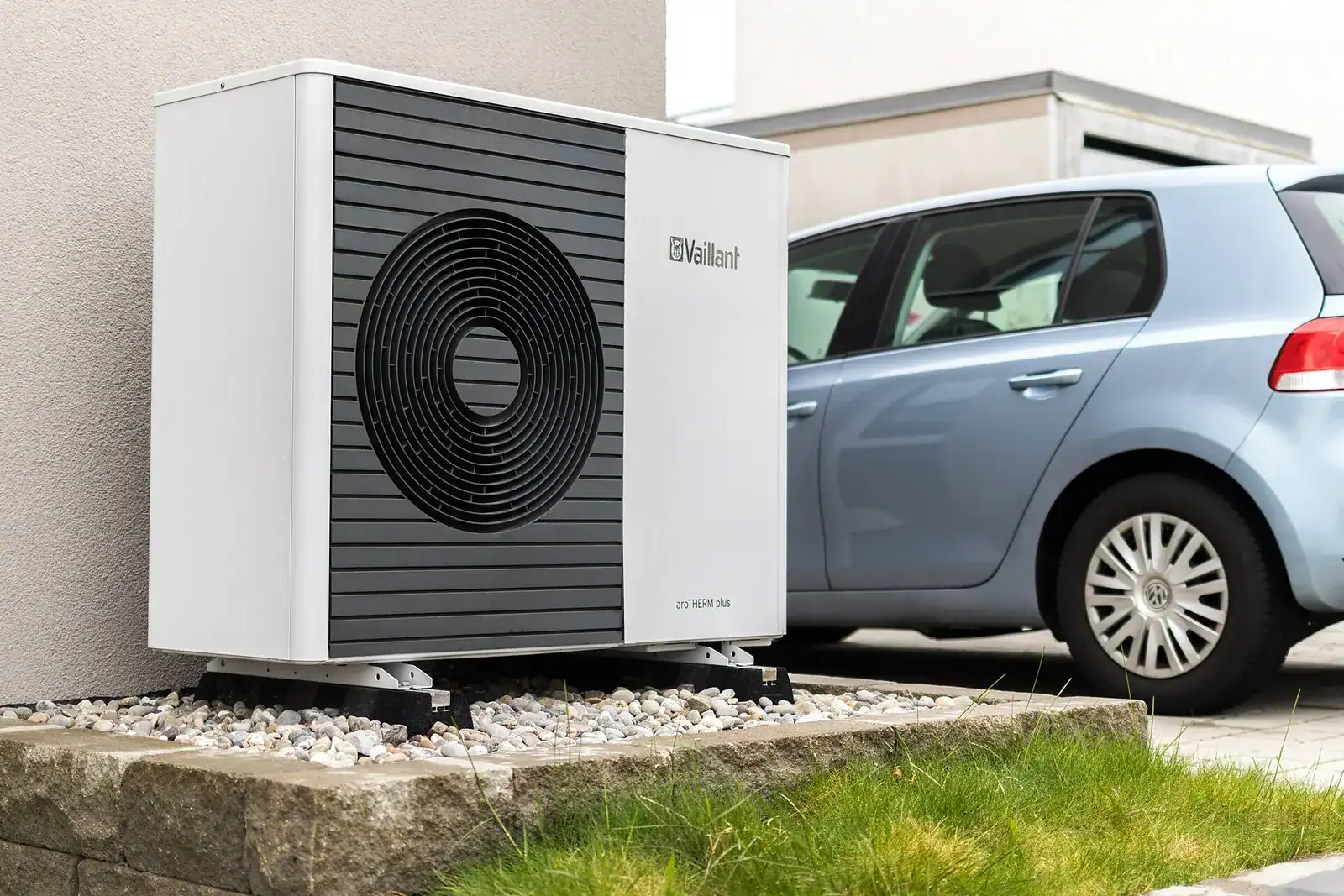
Where electricity is cheap relative to gas, a heat pump wins comfortably. Where gas is very cheap and winters are severe, a furnace still makes sense. Many households sit somewhere in between, and for them a heat pump with the furnace kept as backup is worth pricing. The trade calls it a dual fuel or hybrid system.
Why a hybrid setup is worth pricing
A hybrid system runs the heat pump down to a crossover temperature you choose, then hands off to the furnace below it. You get the efficient middle of the season, which in many climates is most of it, and the furnace covers the coldest stretches, however long they last where you live.
The catch is that the crossover point has to be set by someone who calculated it from your rates rather than picking a round number. A badly set crossover turns a hybrid system into an expensive furnace.
What crossover temperature are you programming, and what rates did you use to calculate it? An installer who has an answer has done the arithmetic. One who does not is guessing with your money.
What the ratings actually tell you
Efficiency ratings are measured in laboratory conditions across a modeled season. They are useful for comparing two units against each other. They are not a prediction of your bill, because your house, your ducts and your climate are not the model.
Duct losses in particular go unmentioned. A system that loses a meaningful share of its output into an unconditioned attic performs well below its rating no matter which technology is in the box. If your ducts run through an attic or a crawlspace and have never been sealed, that work will change your bills more than the choice between the two systems.
Sizing, and the myth of bigger
Oversized equipment is the most common installation error and it hurts heat pumps more than furnaces. A unit that is too large satisfies the thermostat quickly, shuts off, and repeats. That short cycling wastes energy, wears the compressor and leaves the house feeling clammy because the system never runs long enough to manage humidity.
Proper sizing comes from a load calculation on your specific house. If a quote arrives without one, and the reasoning is that your old unit was a certain size so the new one should match, you are buying the previous installer’s guess.
The honest summary
There is no universal winner. Do the division on your own two bills, find out how cold your winter design temperature is, and ask any installer to show their crossover math. If someone tells you the answer before asking what you pay for electricity, they are selling equipment rather than solving your problem.
Related reading: Your Electric Bill Doubled and Nothing in the House Changed and Where Smart Thermostat Savings Actually Come From.
Questions people ask
Do heat pumps work in cold climates?
Modern cold-climate models keep working at low temperatures, though their efficiency falls as it gets colder. The question is not whether they work but what they cost to run at your coldest weeks.
What is auxiliary or emergency heat?
Electric resistance heating built into the system for when the heat pump cannot keep up. It works reliably and it is the most expensive heat in the house, so how often it engages matters a lot.
Can I keep my existing ducts?
Usually, but they should be checked. Heat pumps move air at a lower temperature, so undersized or leaky ducts that were tolerable with a furnace become a comfort problem.
How do I find my design temperature?
It is published for each region and any competent HVAC contractor uses it for sizing. It represents the cold your system should be designed to handle, not the record low.
Where these figures come from
- Energy Saver, the Department of Energy home efficiency guide US Department of Energy · energy.gov
- Use of energy in homes US Energy Information Administration · eia.gov
Figures last checked September 2026.