On this page
If you asked for a straight single-speed replacement pump recently and were told no, this is why. The rules changed, and the change was aimed squarely at the largest continuous electrical load in most pool owners’ houses.
Key figures
- $2,140 Example: DOE pre-standard life-cycle saving, in 2015 dollars
- 0.7 years Example: DOE payback against pre-standard pumps
- 20 percent ENERGY STAR energy reduction versus standard new in-ground pumps
What the rule did
The Department of Energy set energy conservation standards for dedicated-purpose pool pumps, and compliance has been required since 19 July 2021. The standards are written as an efficiency figure rather than as a ban, but for most residential in-ground pool sizes, a single-speed motor cannot reach the required number. In practice, that means variable speed.
The reasoning is arithmetic, not ideology. The power a pump draws rises steeply with speed, far faster than the flow it produces. Running slower for longer moves the same water for much less electricity.
The two savings figures, and which applies to you
This is where most articles go wrong, because there are two published numbers that mean different things.
- DOE, against a pre-2021 pump$2,140
- ENERGY STAR, against a compliant pumpup to $290
DOE figure: average life-cycle cost savings for the standard-size self-priming pool filter pump class, 2015 dollars, measured against the pre-standard market. ENERGY STAR figure: lifetime saving of a certified in-ground pump against a standard compliant pump.
If you are replacing an old single-speed pump, the DOE number is the relevant one: an average life-cycle cost saving of $2,140 for the standard-size self-priming filter pump class, with a simple payback period of 0.7 years.
If you are choosing between two new pumps on the shelf today, the ENERGY STAR number is the relevant one: a certified in-ground pool pump uses about 20 percent less energy than a standard pump, saving roughly $50 a year and up to $290 over its lifetime.
Getting the saving in practice
Buying the pump is not the same as capturing the saving. A variable-speed pump left permanently on high is an expensive single-speed pump.
- Work out your turnover. You need to move roughly the pool’s volume through the filter each day, and it does not matter how long that takes.
- Run low and long. Halving the speed roughly cuts the power draw to a small fraction of what it was, so a longer run at low speed wins easily.
- Give the cleaner and the heater the speed they need, and only while they run. Most pumps schedule this automatically.
- Check the filter pressure. A clogged filter makes the pump work harder for the same flow.
- Reconsider run hours in winter or when the pool is not in use.
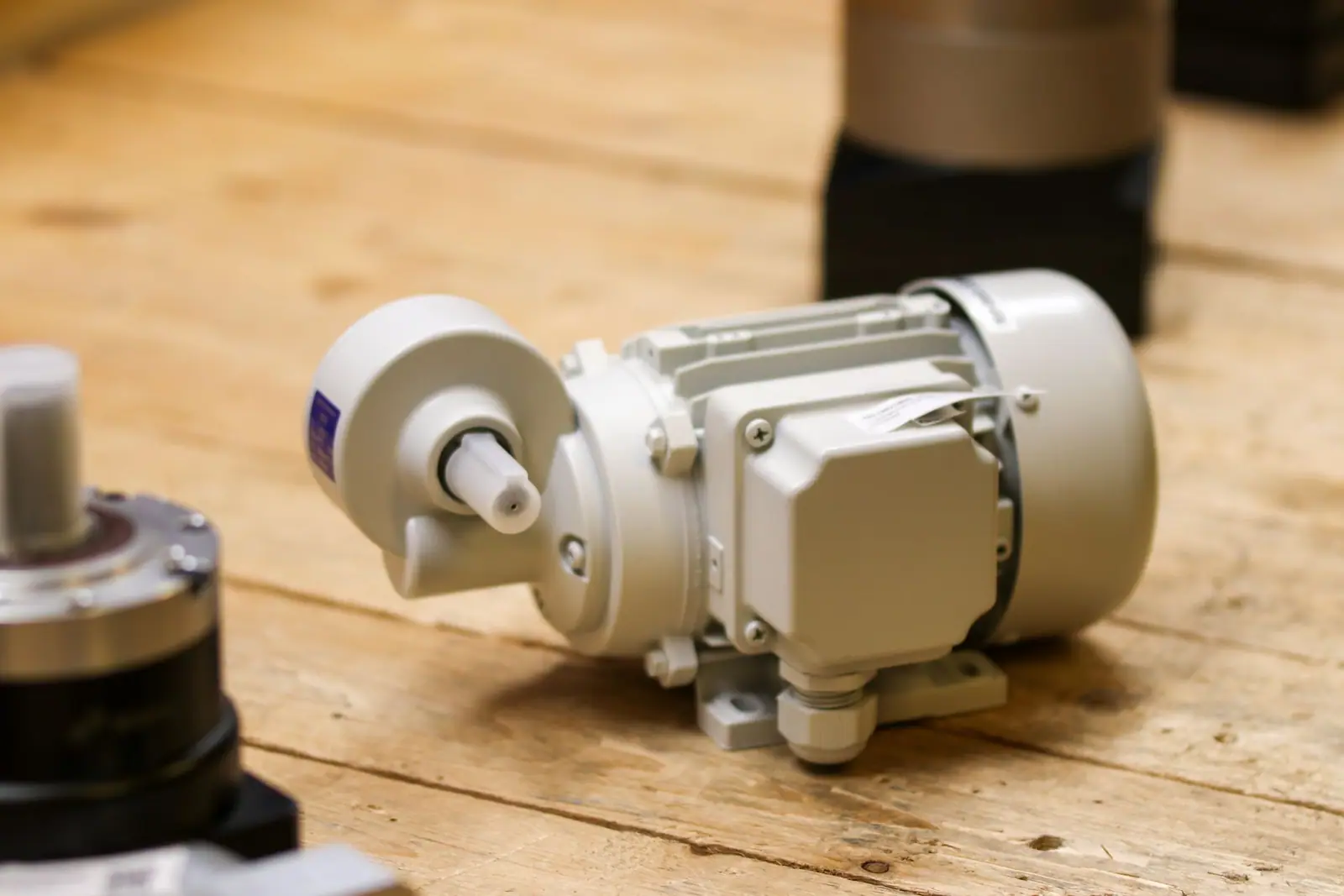
Wattage on the motor label, times hours per day, divided by 1,000, times your cents per kilowatt-hour. Do that for your current run schedule and again for a lower speed, and the decision makes itself.
What about repairs to an old pump
The standards apply to pumps manufactured or imported after the compliance date, not to the one already bolted to your pad. Repairing an existing pump is allowed and often sensible. What has disappeared is the option of buying a cheap single-speed replacement and carrying on as before.
Related reading: How Much Water a Pool Actually Uses and What a Backyard Pool Costs to Run.
Questions people ask
Are single-speed pool pumps illegal now?
Owning or repairing one is not affected. What changed is that new dedicated-purpose pool pumps must meet DOE efficiency standards from 19 July 2021, and most single-speed models for in-ground pools cannot meet them.
How much does a variable-speed pump save?
It depends on what you compare it with. Against the pre-standard market DOE estimated $2,140 over the life of a standard in-ground filter pump. Against a new compliant pump, ENERGY STAR puts a certified model at about $50 a year.
How long should I run a variable-speed pump?
Long enough to turn the water over, at the lowest speed that keeps skimming and filtration working. Longer at low speed almost always costs less than shorter at high speed.
Can I keep using my old pump?
Yes. The standards apply to new equipment, not to equipment already installed.
Where these figures come from
- Energy Conservation Standards for Dedicated-Purpose Pool Pumps, direct final rule US Department of Energy · energy.gov
- Pool Pumps ENERGY STAR · energystar.gov
- Dedicated-Purpose Pool Pumps US Department of Energy · energy.gov
Figures last checked September 2026.