On this page
Rodent exclusion pays for changes to the building that stop animals entering. Trapping pays for animals already inside. A quote combining them can be worth the price, but a cheap bait-station visit is not a like-for-like substitute for repairing roofline openings, screens and gaps around services.
The useful cost comparison names the routes being repaired and explains how occupied spaces will be cleared before sealing. Published provider schedules offer a starting point, while access, stories and the number of openings determine the job at a particular home. They do not establish one nationwide price per square foot.
Key figures
- $1,000 Bugsy's one-story trapping and exclusion, under 1,000 square feet
- $1,300 Bugsy's one-story trapping and exclusion, 1,000–1,999 square feet
- $1,400 Bugsy's one-story trapping and exclusion, 2,000–2,999 square feet
Published rates distinguish preventive and active work
Bugsy’s Pest Solutions publishes the following South Florida schedule for one-story homes. Homes with two or more stories require a custom quote. These are that provider’s rates, not a guarantee that a house in another state can buy the same service.
| House size | Trapping and exclusion | Preventive exclusion | Listed bait-station option |
|---|---|---|---|
| 0–999 sq ft | $1,000 | $595 | $180 for 4 stations |
| 1,000–1,999 sq ft | $1,300 | $695 | $180 for 4 stations |
| 2,000–2,999 sq ft | $1,400 | $795 | $180 for 4 stations |
| 3,000–3,999 sq ft | $1,600 | $1,000 | $270 for 6 stations |
| 4,000–4,999 sq ft | $2,400 | $1,300 | $270 for 6 stations |
| 5,000–5,999 sq ft | $2,800 | $1,700 | $360 for 8 stations |
Source: Bugsy’s wildlife trapping and exclusion page, checked October 2026. Confirm tax, eligibility and any continuing station-service charges. The station row is an alternative service line, not a sealing price.
- 0–999 sq ft$1,000
- 1,000–1,999 sq ft$1,300
- 2,000–2,999 sq ft$1,400
- 3,000–3,999 sq ft$1,600
- 4,000–4,999 sq ft$2,400
- 5,000–5,999 sq ft$2,800
Bugsy's wildlife trapping and exclusion page, checked October 2026. Home-size tiers are the provider's; tax, eligibility and ongoing station service need confirmation.
For the 1,000–1,999-square-foot tier, the difference between active trapping with exclusion and preventive exclusion is $605. That difference reflects service scope; it does not mean a home with animals indoors should buy the cheaper preventive offer. Ask which evidence establishes whether removal is needed.
Inspection credits prevent double counting
Bugsy’s advertises a $99 inspection applied to treatment cost. If a $1,300 job receives the full credit, paying the inspection first leaves $1,201 to pay toward that job, for $1,300 overall. It does not become $1,399 simply because the inspection happened on another date. Confirm whether the offered job qualifies for the credit and how long the offer remains valid.
Another provider, Piney Woods Pest Guard in Nacogdoches, Texas, publishes $125 for inspection and trap-out and $325–$950 for exclusion and sealing. Its page includes a 30-day follow-up trap check with exclusion and advertises a $20-per-quarter rodent-check add-on to a quarterly plan. These are different local offers with different access and scope assumptions.
Do not automatically add the Texas inspection and exclusion numbers. Ask whether both are charged on the same job or whether trap-out is included or credited. The quarterly add-on would total $80 over four quarters, but that is monitoring tied to a plan, not annual replacement of every exclusion repair.
The opening list explains the labor charge
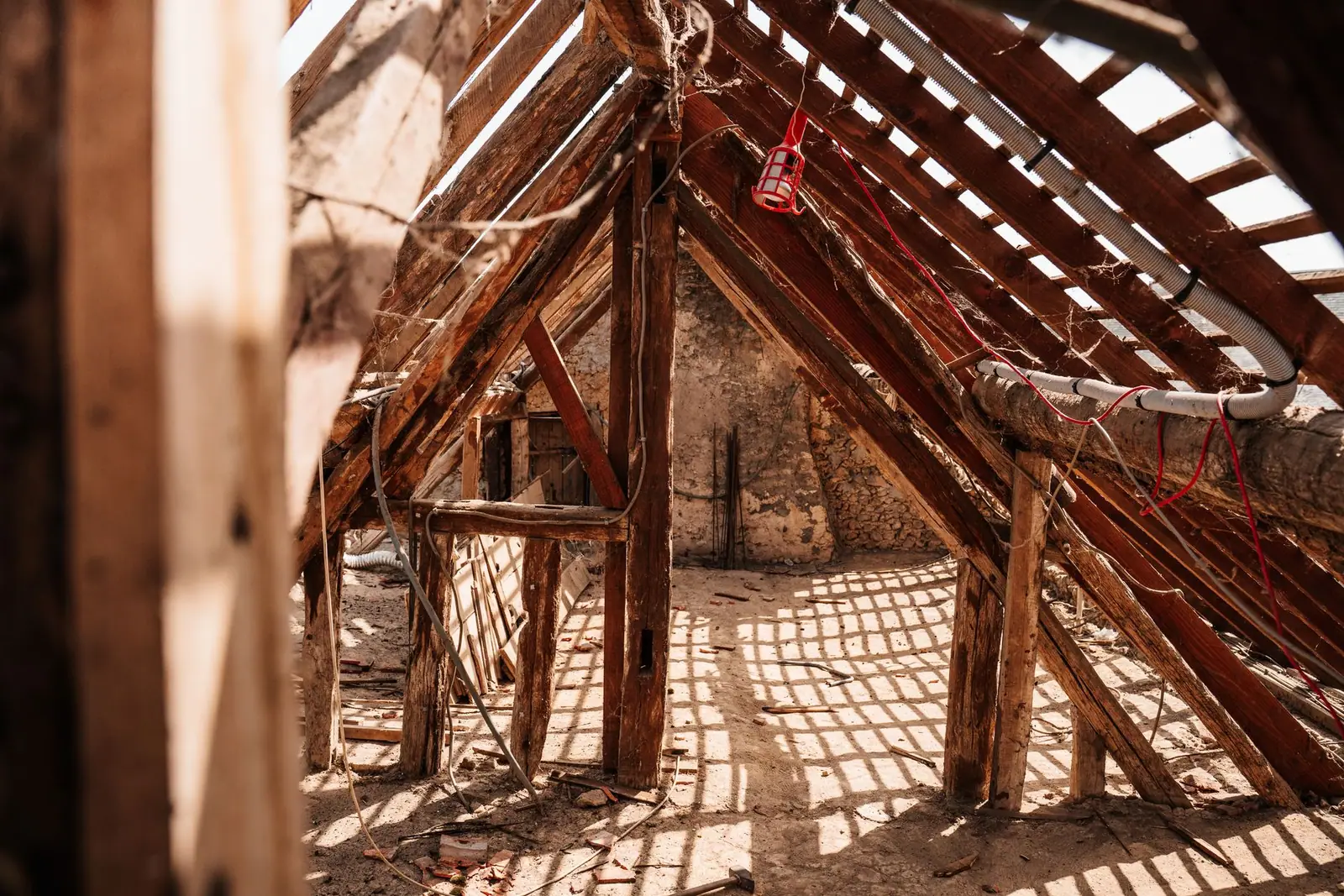
Request a location record covering the foundation, utility penetrations, doors, vents and accessible roofline. The list should distinguish openings the company can repair from damaged building components needing another trade. A quote for “seal the attic” does not reveal which areas were inspected or which openings remain outside the work.
CDC notes that mice can fit through a pencil-width opening, about 1/4 inch or 6 millimeters. Large repairs alone therefore do not establish exclusion. Compare the identified gaps with the proposed materials and finished work, while preserving ventilation, drainage and service access.
The house sealing guide explains the entry routes worth looking for. A provider’s photographs should show the opening before the repair and the finished closure afterward. They also give a future contractor a record when renewed activity occurs near a repair.
Removal and cleanup remain separate responsibilities
Ask how animals indoors will be removed before the final closure, how traps will be checked and who responds to activity after the crew leaves. A house can require a staged job rather than one sealing visit. Request a check schedule and the conditions that trigger another inspection instead of relying on a universal clearance date.
Contaminated insulation removal, disposal and replacement can add a much larger restoration project. A trapping fee does not establish that those tasks are included. The rodent cleanup guide separates contamination precautions from the work of closing entry routes.
For a hypothetical budget, a $1,300 exclusion offer, a separately quoted $400 cleanup and a $600 insulation repair total $2,300. Only the first amount matches the cited Florida size tier; the other two are assumed figures for illustrating separate obligations. A competing $1,500 offer that includes the same $400 cleanup could cost less overall than the $1,300 offer. Compare the completed jobs, not only the sealing subtotal.
Return coverage depends on repaired locations
Bugsy’s lists six trap checks and a 90-day warranty with its trapping and exclusion service. Its advertised lifetime extension depends on maintaining recurring service. Ask what that continuing service costs before treating the extension as a permanent no-cost promise.
A return promise should identify whether it covers the repaired opening, the whole accessible exterior, or only continuing trapping. New damage, another pest species, roof alterations and inaccessible spaces can fall outside its scope. Ask whether a return visit has a fee and whether ongoing monitoring is necessary to retain coverage.
Do not block vents, drains or combustion-air openings to exclude rodents. Have repairs around electrical, gas, roof and ventilation systems handled with the required expertise, and keep those systems working.
Keep the final opening list, materials, photographs and return terms with the invoice. If the provider reports a damaged roof component rather than a simple gap, record whether that repair was completed by someone else. An exclusion job is worth paying for when it closes the demonstrated routes and gives the household a workable follow-up plan. A recurring bait bill with no repair record answers a different question.
Questions people ask
Is the $180 bait-station option the same as exclusion?
No. The cited schedule lists station placement separately from trapping and physical entry repairs. Confirm ongoing service charges as well as the initial station price.
Should the $99 inspection be added to the whole job?
Bugsy's says it is applied to treatment. If the full credit applies, subtract the paid inspection from the remaining job balance rather than counting it twice.
Do the one-story rates apply to a two-story house?
No. The provider says homes with two or more stories receive custom pricing. Roofline access and the identified openings change the scope.
Does sealing include attic insulation replacement?
Not automatically. Removal, contamination cleanup, disposal and insulation restoration should be separate scope lines unless the offer expressly includes them.
Where these figures come from
- Published trapping, exclusion and station schedule Bugsy's Pest Solutions · trustbugsy.com
- Rodent exclusion prices and follow-up Piney Woods Pest Guard · nacogdochespestcontrol.com
- How to seal up to prevent rodents Centers for Disease Control and Prevention · cdc.gov
Figures last checked October 2026.