On this page
A bed bug mattress encasement is worth buying when it helps preserve a usable mattress, removes hiding places from that mattress and fits into a wider control plan. It is a poor purchase when the pest has not been identified or when a waterproof pad is being mistaken for a sealed encasement. A stain or a skin mark alone cannot settle either question.
The price decision has two parts: the cover that fits the bed and the infestation work outside it. Published manufacturer prices establish the first part. They do not establish an exterminator’s room treatment price, whether the mattress can be retained, or how long the infestation will take to clear. Treating those as separate decisions prevents a modest cover purchase from becoming an expensive false solution.
Key figures
- $91.97–$189.42 Mattress Safe mattress encasements, size and depth vary
- $73.90–$114.96 Mattress Safe box-spring encasements, size options vary
- $220 Example: mattress and box-spring encasements sized to fit
Published cover prices depend on size and depth
Mattress Safe’s own catalog provides these October 2026 product ranges. They are examples from one manufacturer, before any checkout taxes or delivery charges, rather than a national price survey. The range endpoints come from different configurations and should not be combined as a promised package price.
| Product family | Manufacturer’s displayed price range | What the purchase covers |
|---|---|---|
| Sofcover Ultimate mattress encasement | $91.97–$189.42 | Mattress only, selected size and depth |
| Sofcover Stretch Knit box spring encasement | $73.90–$114.96 | Box spring only, selected configuration |
| Sofcover PillowSafe encasement | $22.98–$29.55 | A pillow, selected size |
Source: Mattress Safe’s product catalog, checked October 2026. These families perform different jobs; a pillow purchase does not seal a mattress.
For budgeting, suppose the configurations that fit a particular bed cost $130 for the mattress and $90 for its box spring. That is a hypothetical $220 protection purchase, not a quoted bundle. If the mattress is worth $800 to replace, the cover budget is $580 below replacement before treatment costs. This comparison matters only if the mattress remains usable and the control plan permits keeping it. Replacing the bed while leaving bugs elsewhere in the room also fails to solve the infestation.
Measurements prevent an expensive wrong-size order
Measure the mattress itself, including any topper that the chosen product is meant to enclose. Record width, length and depth rather than relying on the size printed on the bed frame. Depth becomes especially important when a tall mattress and a removable topper are being treated as one unit.
The Ultimate product page offers depth bands of 5–9, 9–15 and 16–22 inches. Its listed queen footprint is 60 by 80 inches. Those dimensions describe options, not a guarantee that every mattress sold as a queen fits identically. A 14-inch mattress with a 3-inch topper totals 17 inches in an illustrative measurement: ordering for the mattress alone could choose the wrong depth band.
Mattress Safe says it cannot accept returns or exchanges on opened or used encasements because of hygiene and bed bug concerns. Confirm the dimensions, fabric and closure before opening the packaging. A low price has little value if the purchase cannot be fitted or returned. For the diagnostic step before shopping, see what a pest identification service costs.
A sealed encasement does a different job from a pad
A pad protects the top surface; an encasement surrounds the mattress and closes around it. The closure is part of the insect barrier. EPA describes sealing mattresses and box springs as one measure within bed bug control, alongside inspection, treatment and monitoring elsewhere. It does not present a cover as a room-wide cure.
Look for the manufacturer’s bed bug testing information and a closure designed to prevent passage at the zipper end. Fabric strength matters because a tear defeats the barrier even if the original design passed testing. Inspect bed-frame edges and arrange installation that avoids dragging the fabric across sharp hardware. Do not assume that a zippered storage bag has the same performance as a bed bug encasement.
The bed frame, nearby furniture and adjoining rooms may remain relevant after the mattress is enclosed. In multifamily housing, coordination with management and inspection of nearby units can be necessary. The bed bug treatment cost guide explains why a room treatment and a mattress accessory belong on different budget lines.
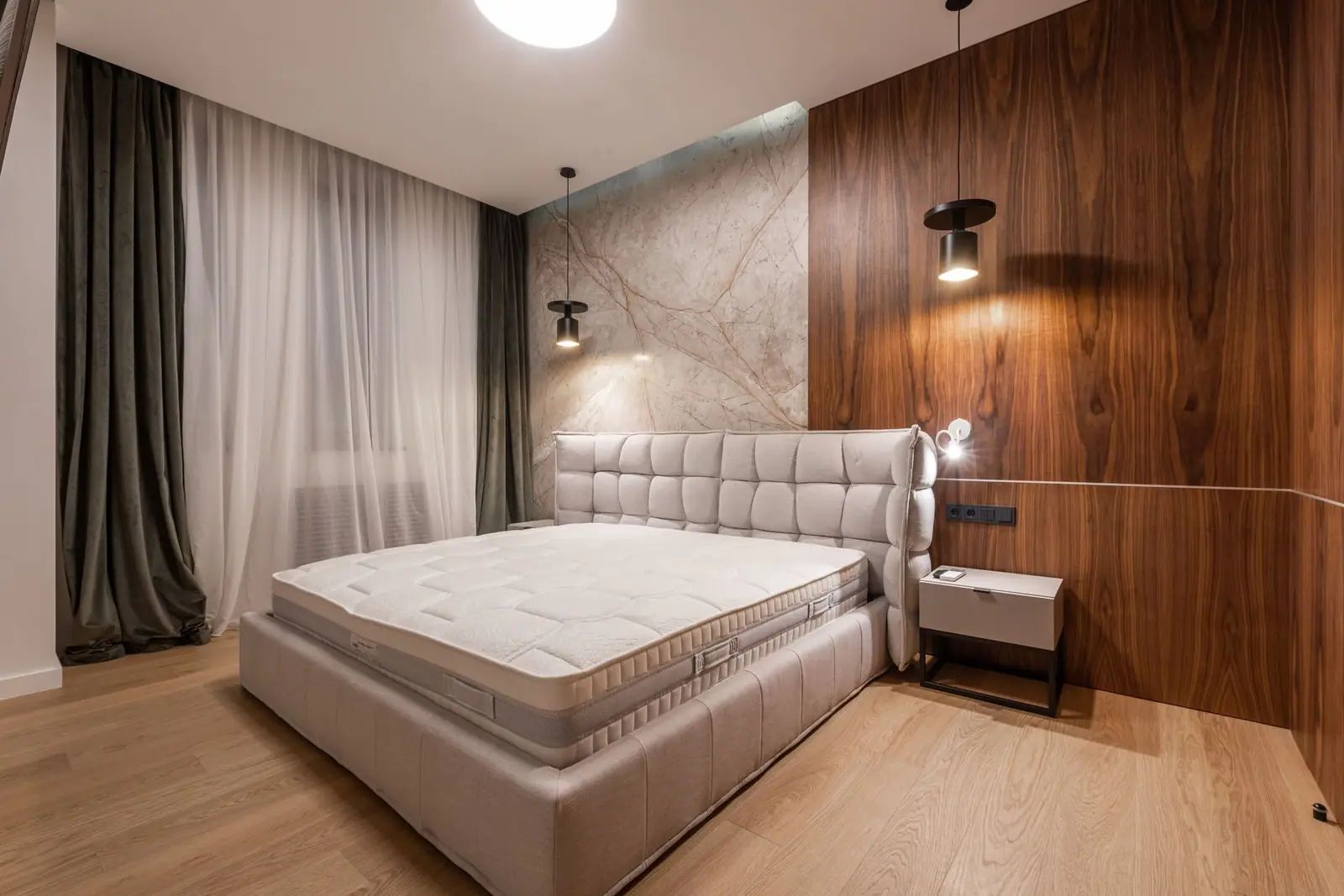
Zipper coverage is shorter than the warranty headline
Mattress Safe’s Ultimate page describes a 10-year limited retail warranty for purchases from its own website. It specifies 3 years of non-prorated protection, with prorating afterward, and a separate 1-year limit for the zipper. Keep the receipt and follow registration and care requirements rather than interpreting the headline as ten years of free replacement for every failure.
The distinction is practical: the closure that keeps insects from passing has a shorter stated coverage period than the fabric warranty headline. Ask whether accidental tearing, installation damage and laundering errors are excluded. Check the current policy for the product being ordered, because another manufacturer’s warranty or a different sales channel can have different terms.
Use the product’s laundering instructions. A generic recommendation for a bed sheet may damage the barrier fabric. Arrange any opening or removal around the pest-control plan so that a laundry decision does not release insects trapped inside. A replacement mattress accessory is a product expense; labor to reinstall it and another room treatment are separate expenses unless the service agreement includes them.
Monitoring continues after the bed is protected
EPA advises keeping records and checking for bed bugs after the initial control work, including monitoring at least every 7 days for remaining eggs and continued checking for at least a year after control. Those periods concern surveillance, not a universal deadline for opening an encasement. Follow the treatment plan and the product instructions for how long it remains closed.
EPA warns against attempting bed bug treatment by raising the thermostat or using a propane heater or fireplace. Arrange pest-control help for the infestation; do not improvise room heating while waiting for a cover.
The purchase makes sense when the pest is confirmed, the bed can be retained, the cover fits, and someone can install and inspect it without damaging the closure. It makes less sense when the mattress is already unusable or when the proposed cover has no evidence of bed bug performance. The decision should leave a protected bed and a continuing room-control plan, rather than an unexplained promise attached to a zipper.
Questions people ask
Will an encasement remove all bed bugs from a bedroom?
No. It confines bugs within the enclosed item and reduces hiding places there. Bed frames, furniture and nearby living spaces can still require inspection and treatment.
Is the $91.97 starting price for every queen mattress?
No. Mattress Safe's catalog covers several sizes and depths. Select the measured configuration and check its price before ordering.
Does a mattress encasement also protect the box spring?
No. A separate box spring encasement is a separate purchase when the control plan includes that item.
Does a 10-year warranty mean ten years of zipper coverage?
Not for the cited Ultimate product. Its own retail warranty specifies one year for the zipper, with other coverage and exclusions stated separately.
Where these figures come from
- Mattress and box spring product catalog Mattress Safe · mattresssafe.com
- Ultimate mattress encasement options and retail warranty Mattress Safe · store.mattresssafe.com
- Do-it-yourself bed bug control US Environmental Protection Agency · epa.gov
Figures last checked October 2026.