On this page
A garden-fence installation quote should begin with the animals to exclude and the measured route. A low rabbit barrier, a tall deer fence and a decorative boundary have different materials, openings and supporting hardware. Comparing their price per foot without those details can favor a fence that does not solve the garden’s problem.
The material examples here use DeerBusters’ own prices checked in October 2026, plus current University of Illinois Extension guidance on deer exclusion. They are a named kit and accessory offers, not a national installed-fence average. Labor, local restrictions and the site’s ground conditions still require a measured quote.
Key figures
- $609.95 DeerBusters 8-foot-high, 100-foot base fence kit
- $199.95 Heavy-duty corner systems for this kit, two-pack
- From $248.95 Compatible 8-foot-fence access gate, starting price
A manufacturer’s kit establishes a material subtotal
DeerBusters lists the base hundred-foot version of its eight-foot Maximum Strength poly kit at $609.95. The selected base configuration excludes optional rodent protection and separately chosen accessories. Record the configuration in the estimate rather than relying on the product’s starting price after changing options.
For each hundred feet, the page lists one fence roll, seven nine-foot pipes providing eight feet above ground, seven ground sleeves and seven caps. It also lists a hundred-pack of ultraviolet-treated ties and thirty ground stakes. Per-kit items include a driver cap, tie tool and fifty warning banners.
| Published DeerBusters component | Listed price | What the figure covers |
|---|---|---|
| 8-foot-high Maximum Strength poly kit, 100 feet | $609.95 | Selected base configuration |
| Heavy corner system, two-pack | $199.95 | Two corner systems |
| Two such corner packs | $399.90 | Arithmetic for four systems |
| Access gate for an 8-foot fence | From $248.95 | Starting offer; gate options apply |
| Standard tensioning kit | From $199.95 | Separate optional offer |
Source note: DeerBusters’ own base-kit page and its linked accessory offers, checked in October 2026. Prices describe materials, not a complete installed project. A selected length, rodent barrier, gate configuration and other options can change checkout totals.
The base-kit price divided by its hundred-foot roll is about $6.10 per supplied foot. That is not the price for an installed foot along a garden. Corners, a gate, anchors and labor can add substantial cost, and unused material still has to be purchased if the kit is sold as a whole.
Perimeter determines length while gates change hardware
For a rectangular garden twenty feet by thirty feet, the perimeter is twice the sum of its sides: 2 × (20 + 30) = 100 feet. The garden’s area is six hundred square feet, but the fence quotation concerns the hundred-foot boundary. Multiplying the area by a per-foot fence price would use the wrong unit.
If a hypothetical four-foot gate occupies part of that route, ninety-six feet remains for mesh. A hundred-foot roll would leave four feet before cutting losses, overlaps or routing changes. The gate still needs its own supports and fittings; subtracting its opening from the mesh length does not make it free.
DeerBusters recommends corner systems where the line changes by forty-five degrees or more, and end systems where it ends at a structure or another fence. Four right-angle turns on a rectangle therefore create a different support requirement from a straight hundred-foot run. Have the supplier lay out the system rather than treating seven supplied line posts as every support required.
The deer-fence-height guide explains the exclusion question. A kit tall enough for deer also needs a lower edge that matches the site and target animals. The raised-bed-materials guide covers another garden material purchase that should have its own budget.
Accessories can double the base material spending
Combine the cited $609.95 base kit with two $199.95 corner packs and a gate at its $248.95 starting price. The subtotal is $1,258.80. That is about $12.59 per foot of the example hundred-foot route, before end assemblies, tensioning, delivery, tax or any changed gate configuration.
Adding the tensioning kit at its $199.95 starting offer makes $1,458.75. Confirm that the particular tensioning kit and accessories match the selected route. The calculation illustrates how base fencing differs from a material package, not a shopping list guaranteed to complete that layout.
For an installation-budget illustration, suppose the $1,258.80 subtotal is paired with an assumed $750 of labor and $150 of preparation. The resulting $2,158.80 is about $21.59 per route foot. The two added charges are hypothetical; replace them with a contractor’s offered hours, crew work and site preparation.
Ask how delivery is handled when heavy or oversize parts are ordered. A advertised free-shipping threshold may have conditions. Keep shipping and tax visible rather than silently applying a promotion to every component or address.
Height and lower-edge protection address different animals
University of Illinois Extension describes deer as strong jumpers and advises a physical fence at least eight feet high for its exclusion guidance. A short decorative fence or the wall of a raised bed is not the same barrier. Local height restrictions and the planned placement still need checking before buying the tall kit.
DeerBusters states that poly fencing is not chew-proof and recommends a separate two-foot metal barrier along the base for rabbits, groundhogs and other small animals. That is an optional addition to the cited base configuration, not a feature already priced into its $609.95 offer.
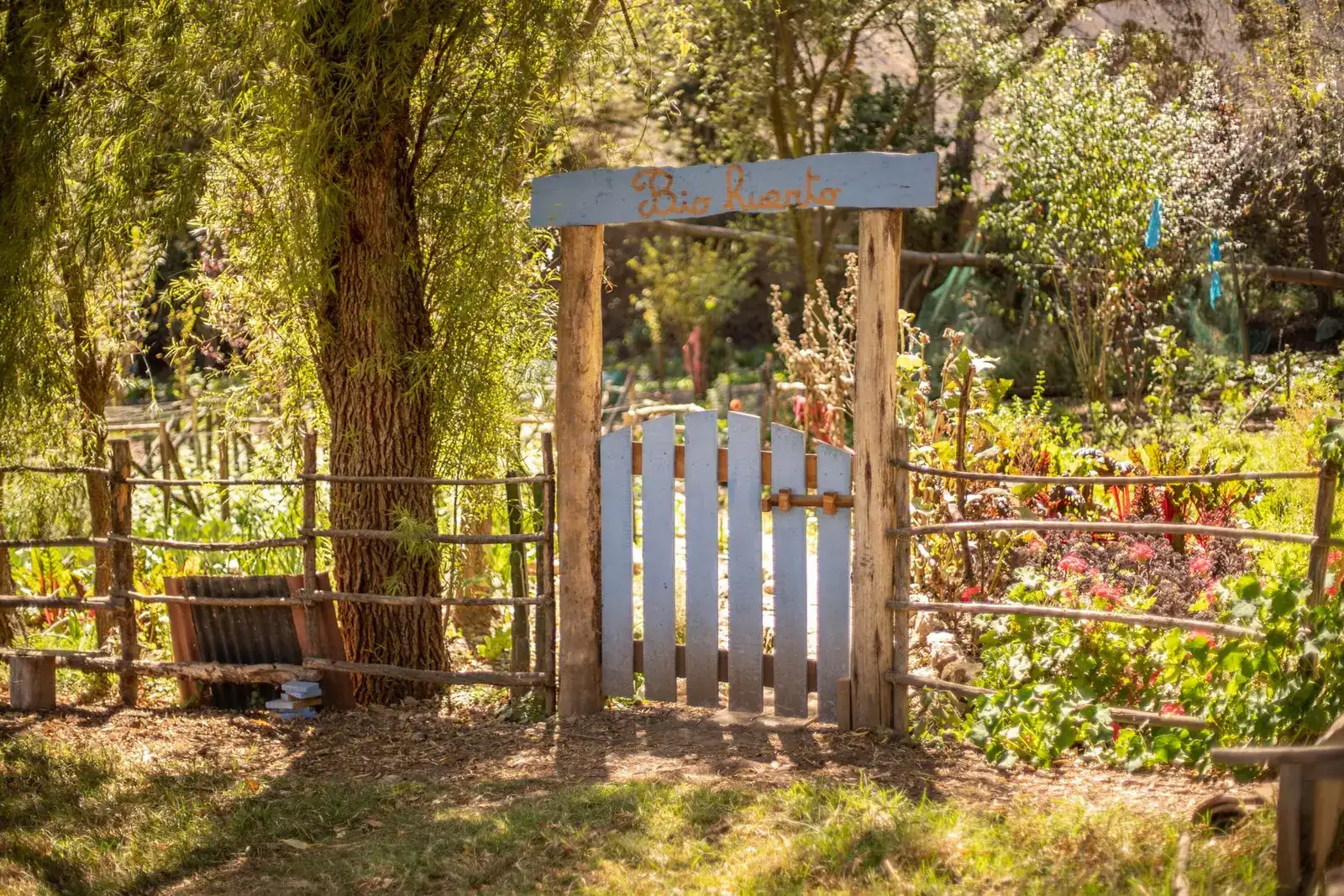
Choose mesh openings and lower-edge treatment for the animals present, and have the contractor describe the proposed result. Adding height does not repair a ground gap, while adding a bottom barrier does not improve a low fence’s jumping resistance.
Site preparation and gates belong in the work scope
An installed quote should describe vegetation removal, layout, sleeve or post installation, gate alignment, tensioning and cleanup. Ground sleeves can encounter rock, roots or buried infrastructure. A “no concrete” system still involves ground penetration and does not eliminate utility checks.
Use the local 811 process before driving posts, sleeves or stakes, and ask how private lines and irrigation are identified. Follow the locator’s instructions and local requirements; a shallow fence support can still damage a buried service.
Check whether the gate admits the mower, wheelbarrow and other equipment that regularly enters. The lawn-aeration quote guide explains why access also affects later lawn work. A narrow opening can reduce the usefulness of the garden even if its fence excludes the target animals.
Request an itemized quote for the full route and the selected gate. Compare repair access, replacement mesh, post movement and any warranty exclusions. That produces a defensible material-and-installation comparison without turning one kit price into a promise about every garden.
Questions people ask
What does the cited hundred-foot deer-fence kit cost?
The selected eight-foot-high base poly kit lists $609.95. Optional accessories, rodent protection, installation, shipping and tax are outside that base example.
How much fence surrounds a twenty-by-thirty-foot garden?
Its rectangular perimeter is one hundred feet. A gate replaces part of the mesh route but adds its own supports and hardware.
Does a base kit contain every corner and gate?
No. The cited page separately offers corner, end, gate and tensioning components. Ask the supplier to specify the route before treating the kit as the whole material package.
Will tall poly fencing also stop chewing animals?
Height and chewing resistance are different. The manufacturer says poly is not chew-proof and recommends separate lower-edge metal protection for small animals.
Where these figures come from
- Maximum Strength Poly Deer Fence Kit and Accessory Prices DeerBusters · deerbusters.com
- Keeping Deer Out of the Yard and Garden University of Illinois Extension · extension.illinois.edu
- Before You Dig: Utility Location Requests Common Ground Alliance · 811beforeyoudig.com
Figures last checked October 2026.